
Hyperpigmentation and Hypopigmentation: Understanding the Two Sides of Skin Pigment Disorders
Introduction
Our skin is not only the largest organ of the body but also an important part of our identity. One of the key elements that define our skin’s appearance is melanin, the pigment responsible for our skin, hair, and eye color. When melanin production becomes irregular, it can result in two common skin pigmentation disorders: hyperpigmentation and hypopigmentation.
Hyperpigmentation causes areas of the skin to become darker than normal, while hypopigmentation leads to lighter patches. Both conditions can affect people of all ages, genders, and skin types, and while not usually harmful, they can be cosmetically and emotionally challenging.
This comprehensive 4000-word guide will walk you through everything you need to know — from causes and symptoms to diagnosis, treatment, and coping strategies — all presented in a clear, SEO-friendly format suitable for your medical or health blog.
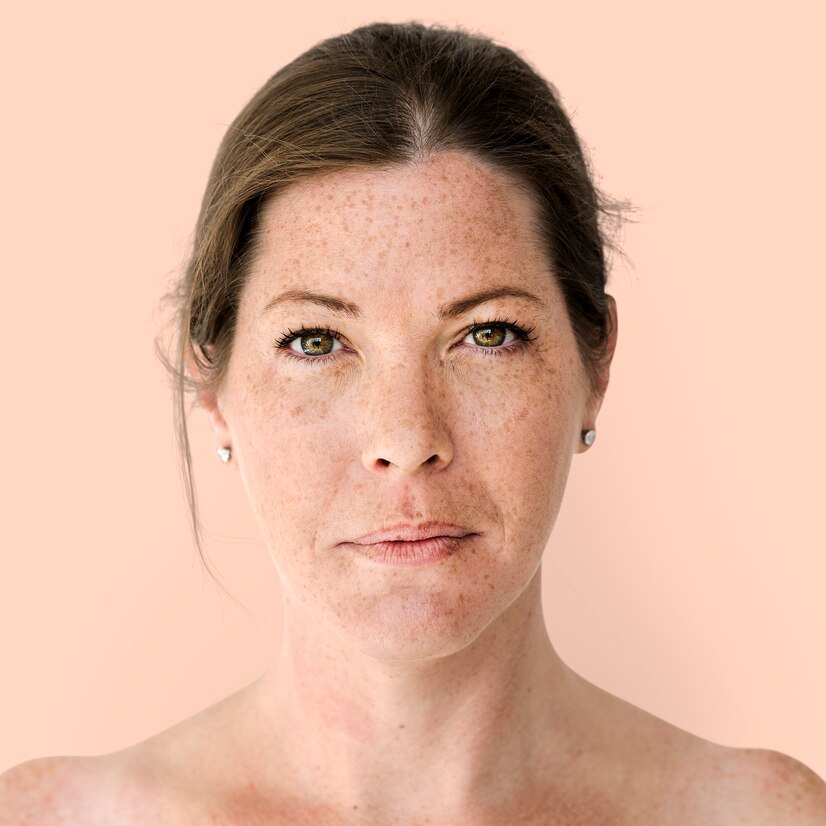
1. Understanding Skin Pigmentation
What is Melanin?
Melanin is produced by cells called melanocytes found in the bottom layer of the epidermis. The amount and type of melanin produced determine your natural skin color. There are two main types:
- Eumelanin: Brown to black pigment
- Pheomelanin: Red to yellow pigment
When melanocytes are damaged or dysfunctional, it can lead to irregular pigmentation — either too much (hyperpigmentation) or too little (hypopigmentation).
2. What is Hyperpigmentation?
Hyperpigmentation refers to patches of skin that become darker than the surrounding areas due to an excessive production of melanin. It is not usually dangerous but can be a symptom of an underlying medical condition.
Key Characteristics:
- Can appear anywhere on the body
- Usually brown, black, gray, or dark red in color
- Often worsened by sun exposure
3. What is Hypopigmentation?
Hypopigmentation, on the other hand, is when melanin production is reduced, leading to lighter or white patches of skin. Unlike albinism, which affects the entire body, hypopigmentation typically appears in patches.
Key Characteristics:
- White or pale skin patches
- May be stable or progressive
- Sometimes accompanied by hair discoloration in affected areas
4. Symptoms of Pigmentation Disorders
Both conditions present with visually distinct symptoms.
Hyperpigmentation Symptoms:
- Dark spots or blotches
- Uneven skin tone
- Often found on cheeks, forehead, neck, and hands
- Can be flat or slightly raised
Hypopigmentation Symptoms:
- Lighter-than-normal skin patches
- Defined or irregular borders
- Absence of tanning in affected areas
- Hair in these patches may turn white or gray
In both cases, the patches may be completely asymptomatic or may itch, peel, or become inflamed depending on the underlying cause.
5. Common Causes of Hyperpigmentation and Hypopigmentation
Causes of Hyperpigmentation:
- Sun Exposure
- UV radiation increases melanin production as a defense mechanism.
- Leads to sunspots or solar lentigines.
- Hormonal Changes
- Pregnancy, birth control pills, or hormone therapy can lead to melasma.
- Post-Inflammatory Hyperpigmentation (PIH)
- Follows skin injuries, burns, or acne.
- Common in people with darker skin tones.
- Medications
- Some drugs like tetracyclines, chemotherapy agents, and anti-seizure medications can trigger pigmentation changes.
- Medical Conditions
- Addison’s disease, hemochromatosis, and some metabolic disorders.
Causes of Hypopigmentation:
- Autoimmune Disorders
- Vitiligo is the most well-known, where the immune system destroys melanocytes.
- Infections
- Fungal (Tinea versicolor), bacterial (leprosy), or viral infections.
- Skin Trauma
- Burns, chemical exposure, or aggressive cosmetic treatments can destroy melanocytes.
- Genetic Disorders
- Albinism results from a genetic inability to produce melanin.
- Inflammatory Conditions
- Psoriasis, eczema, or lichen sclerosus.
6. Types of Hyperpigmentation
1. Melasma
- Often appears as symmetrical brown patches.
- Triggered by sun, heat, and hormones.
- More common in women.
2. Post-Inflammatory Hyperpigmentation (PIH)
- Occurs after skin injury, acne, or dermatitis.
- Especially prevalent in people with darker skin tones.
3. Sunspots (Lentigines)
- Caused by cumulative sun exposure.
- Appear on sun-exposed areas in older adults.
4. Freckles (Ephelides)
- Genetic tendency
- Increase with sun exposure and fade in winter
5. Drug-Induced Pigmentation
- Certain medications can increase melanin or deposit other pigments.
7. Types of Hypopigmentation
1. Vitiligo
- Autoimmune condition
- White patches appear and often expand over time
- May affect mucous membranes and hair
2. Albinism
- Genetic disorder affecting melanin production systemically
- Involves vision problems and extreme UV sensitivity
3. Tinea Versicolor
- Caused by yeast overgrowth on the skin
- Creates scaly, lighter patches that may tan unevenly
4. Pityriasis Alba
- Common in children with eczema
- Light, dry patches on face and arms
5. Idiopathic Guttate Hypomelanosis
- Appears as small white spots on shins and forearms
- Linked to aging and sun exposure
8. How Pigmentation Disorders Are Diagnosed
Step-by-Step Diagnostic Process:
- Physical Examination
- Assessment of lesion shape, color, size, and distribution.
- Wood’s Lamp
- A special ultraviolet light used to detect pigment loss.
- Skin Biopsy
- Involves removing a small piece of skin for histological analysis.
- Blood Tests
- Useful in diagnosing autoimmune or hormonal causes.
- Fungal Cultures
- To detect tinea versicolor or other fungal infections.
Accurate diagnosis is essential for determining the right treatment approach.
9. Treatment Options
Hyperpigmentation Treatments:
Topical Creams:
- Hydroquinone (prescription only): Gold standard for pigment lightening
- Tretinoin/Retinoids: Promote cell turnover
- Vitamin C: Antioxidant that brightens skin
- Azelaic Acid: Effective in acne and PIH
- Licorice extract, Niacinamide: Gentle alternatives
Procedures:
- Chemical Peels (Glycolic acid, TCA): Remove top layers of skin
- Laser Therapy: Target and break down melanin
- Microdermabrasion: Physical exfoliation
- IPL (Intense Pulsed Light): For sunspots and melasma
Hypopigmentation Treatments:
Topicals:
- Corticosteroids: Reduce inflammation
- Tacrolimus/Pimecrolimus: Help restore pigment in vitiligo
Phototherapy:
- Narrowband UVB Therapy: Stimulates melanocytes
- PUVA Therapy: Psoralen combined with UVA exposure
Surgical Approaches:
- Skin Grafting
- Melanocyte Transplantation
- Micropigmentation (tattooing) for cosmetic coverage
Antifungal/Antibiotic Treatment:
- For infections like tinea versicolor or leprosy
10. Living with Pigmentation Disorders
Emotional Impact
Pigment disorders, though not harmful, often impact self-esteem, social interactions, and mental health. Seeking psychological support, joining support groups, or speaking with a counselor can make a significant difference.
Daily Skincare Tips:
- Use broad-spectrum sunscreen (SPF 30+) daily
- Choose fragrance-free and gentle products
- Avoid harsh exfoliants or scrubs
- Wear protective clothing and hats
- Keep skin moisturized and hydrated
Makeup and Camouflage Techniques:
- Use color correctors (e.g., peach/orange for dark spots)
- Invest in dermatologically tested concealers
- Opt for mineral makeup for sensitive skin
11. Prevention and Long-Term Management
Tips for Preventing Hyperpigmentation:
- Always apply sunscreen
- Avoid picking at pimples or wounds
- Treat skin inflammation early
- Limit direct sun exposure during peak hours
Tips for Preventing Hypopigmentation:
- Manage eczema and psoriasis effectively
- Practice good hygiene to prevent infections
- Avoid overuse of chemical products
12. When to See a Dermatologist
You should consult a skin specialist if:
- You notice new or changing patches
- The condition spreads or worsens rapidly
- You experience pain, itching, or burning
- Over-the-counter treatments show no results
- There’s a significant emotional toll
Conclusion
Hyperpigmentation and hypopigmentation are two sides of the same coin — both relate to the uneven distribution of melanin, the pigment that gives our skin its color. While neither is inherently dangerous, both can be signs of underlying health issues or sources of psychological distress.
Fortunately, modern dermatology offers numerous treatment options, ranging from topical agents to advanced laser therapies. With the right skincare, medical support, and emotional resilience, it’s entirely possible to manage these conditions and live confidently in your skin.
Frequently Asked Question About Hyperpigmentation and Hypopigmentation:
What is the main difference between hyperpigmentation and hypopigmentation?
Hyperpigmentation causes dark patches due to excess melanin, while hypopigmentation results in light patches due to melanin loss or reduction.
Is hyperpigmentation permanent?
Not always. Some forms, like post-inflammatory hyperpigmentation, can fade over time or with treatment, while others like melasma may persist without long-term care.
Can hypopigmentation be reversed?
Some types, such as those caused by infections or inflammation, can be treated effectively. Others, like vitiligo or albinism, may be permanent but manageable.
What causes dark spots on the face?
Common causes include sun exposure, acne scars, hormonal changes, and aging. These are all forms of hyperpigmentation.
How can I treat hyperpigmentation naturally at home?
Natural remedies like aloe vera, licorice extract, green tea, and vitamin C serums may help lighten dark spots, but results take time and vary by skin type.
Does sunscreen help prevent pigmentation problems?
Yes, daily use of a broad-spectrum SPF 30+ sunscreen is one of the most effective ways to prevent both hyperpigmentation and hypopigmentation from worsening.
Can pigmentation disorders be a sign of an underlying disease?
Yes. Conditions like Addison’s disease, autoimmune disorders, or fungal infections can cause pigment changes and require medical attention.
Are pigmentation disorders contagious?
No, hyperpigmentation and hypopigmentation are not contagious. However, infections that cause them (like tinea versicolor) can be spread without proper hygiene.
Is laser treatment safe for pigmentation?
Laser therapy can be effective but should only be performed by qualified dermatologists. It may not suit all skin types and can sometimes cause side effects.
How long does it take to see results from pigmentation treatments?
It varies by treatment and individual. Topical treatments may take 6–12 weeks, while procedures like peels or lasers can show results more quickly.
Can children get pigmentation disorders?
Yes, conditions like vitiligo, pityriasis alba, and tinea versicolor are common in children and should be evaluated by a dermatologist.
What foods help improve skin pigmentation?
A balanced diet rich in antioxidants (vitamin C, E), zinc, and omega-3 fatty acids can support healthy skin and melanin regulation.
Is it safe to use hydroquinone for dark spots?
Hydroquinone is effective but should be used under medical supervision to avoid side effects like skin irritation or rebound hyperpigmentation.
What is post-inflammatory hyperpigmentation?
It’s dark discoloration that appears after skin injury, acne, or inflammation, especially common in darker skin tones.
When should I see a dermatologist for pigmentation issues?
If pigment changes are spreading, causing distress, or not improving with over-the-counter products, it’s best to consult a skin specialist for a proper diagnosis and treatment plan.
For more details keep visiting our website & Facebook Page.