
Children and Teens With Bipolar Disorder
Understanding, Managing, and Supporting Children and Teens With Bipolar Disorder
Introduction of Children and Teens With Bipolar Disorder
Mental health challenges among children and teens are increasingly coming to the forefront of public concern, with bipolar disorder being one of the more complex and misunderstood conditions. Once believed to primarily affect adults, bipolar disorder is now recognized in younger populations, albeit with distinct characteristics. It’s a serious mental health condition that causes extreme mood swings, ranging from manic highs to depressive lows, that go beyond typical emotional fluctuations in youth.
This blog post is designed to offer parents, educators, and caregivers a detailed understanding of bipolar disorder in children and teens. It explores symptoms, causes, diagnostic methods, available treatments, and how to support young individuals living with the disorder. With proper knowledge, timely intervention, and compassionate care, young people with bipolar disorder can thrive.
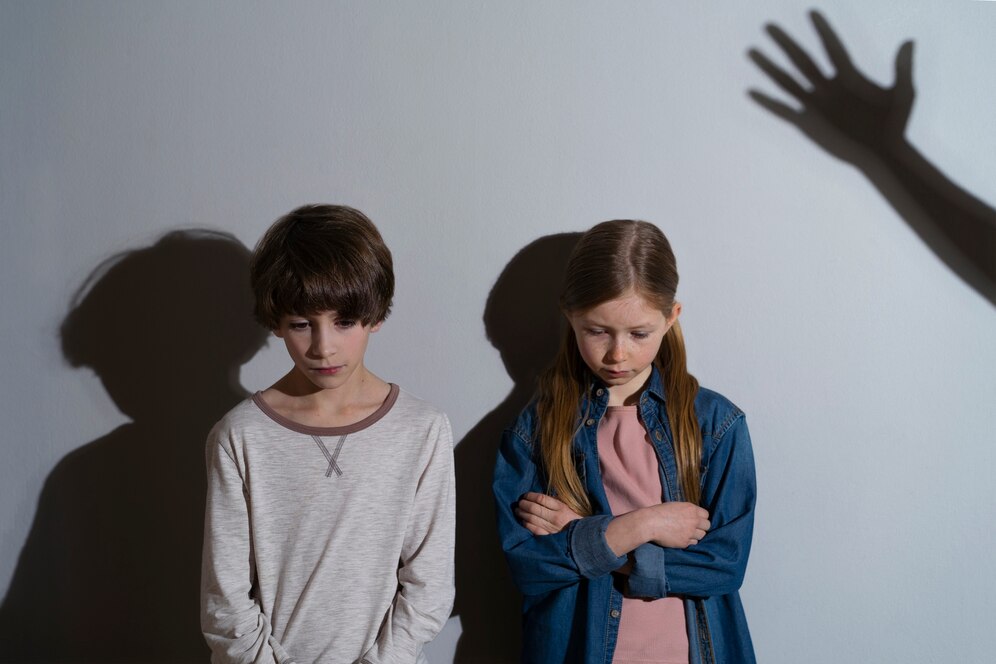
Understanding Children and Teens With Bipolar Disorder
Children and Teens With Bipolar Disorder is a chronic mental illness that affects the brain’s ability to regulate mood, energy levels, and behavior. Formerly called “manic-depressive illness,” it involves periods of mania or hypomania (elevated or irritable mood) and depression (low mood, energy loss, and disinterest in activities). These episodes can last days, weeks, or even months and significantly disrupt everyday life.
In children and teens, symptoms often appear differently than they do in adults. For example, irritability may be more prominent than euphoria during manic episodes, and depressive episodes may manifest as physical complaints or behavioral problems rather than sadness.
Understanding these nuances is critical for identifying and managing the disorder early on.
Types of Bipolar Disorder in Children and Teens
There are multiple types of bipolar disorder, and each presents differently:
1. Children and Teens With Bipolar Disorder
Characterized by at least one full manic episode, which may be accompanied by depressive episodes. Mania often requires hospitalization due to the severity of symptoms.
2. Bipolar II Disorder
Involves hypomanic episodes (less intense than mania) and major depressive episodes. This type does not include full-blown manic episodes but still leads to significant disruption in life.
3. Cyclothymic Disorder (Cyclothymia)
A milder form involving frequent mood swings, with periods of hypomanic and depressive symptoms lasting at least one year in children and teens. These symptoms are not as severe but still impair functioning.
4. Other Specified or Unspecified Bipolar and Related Disorders
Used when symptoms clearly suggest bipolar disorder but don’t meet the full criteria for the types mentioned above.
Symptoms of Bipolar Disorder in Children and Teens
Manic or Hypomanic Symptoms of Children and Teens With Bipolar Disorder
- Abnormally upbeat or wired mood
- Intense irritability or aggression
- Inflated self-esteem or grandiosity
- Talking very fast or jumping between topics
- Decreased need for sleep (e.g., staying up all night without fatigue)
- Risky behaviors (e.g., reckless spending, sexual activity, substance use)
- Racing thoughts or distraction
- Hyperactivity or increased goal-directed activity
Depressive Symptoms of Children and Teens With Bipolar Disorder
- Persistent sadness or hopelessness
- Withdrawal from friends and activities
- Changes in eating or sleeping habits
- Frequent physical complaints (e.g., headaches, stomachaches)
- Fatigue or lack of energy
- Difficulty concentrating
- Feelings of worthlessness or guilt
- Suicidal thoughts or self-harming behaviors
Mixed Episodes of Children and Teens With Bipolar Disorder
Children may show symptoms of both mania and depression simultaneously, such as feeling very sad while also being hyperactive or irritable. These mixed episodes can be particularly confusing and dangerous.
Behavioral Red Flags:
- Severe mood swings that differ from typical emotional reactions
- Intense outbursts or tantrums that last longer than normal
- Decline in school performance
- Trouble maintaining relationships
These symptoms must be persistent and impairing to suggest bipolar disorder, not just occasional moodiness or hormonal changes typical of adolescence.
Causes and Risk Factors of Children and Teens With Bipolar Disorder
While the exact causes of bipolar disorder in Children and Teens are still being researched, experts believe that a combination of genetic, biological, and environmental factors contributes to its development.
1. Genetics
Children with a parent or sibling diagnosed with bipolar disorder are 4 to 6 times more likely to develop it themselves. However, not everyone with a family history will develop the condition, indicating that genes interact with other factors.
2. Brain Structure and Function
Imaging studies show that individuals with bipolar disorder often have abnormalities in brain areas involved in emotion regulation, decision-making, and impulse control.
3. Chemical Imbalance
Imbalances in neurotransmitters like dopamine, serotonin, and norepinephrine may contribute to mood dysregulation in bipolar disorder.
4. Environmental Stressors
Traumatic experiences such as abuse, neglect, or a chaotic home environment can trigger or worsen symptoms, particularly in genetically predisposed children.
5. Co-occurring Disorders
Bipolar disorder is often found alongside:
- Attention-deficit/hyperactivity disorder (ADHD)
- Anxiety disorders
- Oppositional defiant disorder (ODD)
- Substance use disorders
Diagnosing Bipolar Disorder in Youth
Diagnosing bipolar disorder in children and adolescents is complex and often misdiagnosed. There’s no blood test or brain scan that can definitively diagnose the condition.
Steps in the Diagnostic Process:
- Comprehensive psychiatric evaluation with the child and caregivers
- Medical history review including mental health in family members
- Symptom tracking over time (mood diaries or behavioral logs)
- Input from teachers, school counselors, and other caregivers
- Use of standardized screening tools based on DSM-5 criteria
Since symptoms can mimic ADHD, conduct disorders, or depression, clinicians must observe patterns over time to avoid misdiagnosis.
Early diagnosis is critical. Untreated bipolar disorder can lead to school failure, substance abuse, self-harm, and suicide.
Treatment Options
There is no cure for bipolar disorder, but effective management is possible. A multi-faceted treatment plan tailored to the child’s needs provides the best outcomes.
1. Medications
Psychotropic medications are often necessary to stabilize mood:
- Mood stabilizers like lithium
- Atypical antipsychotics (e.g., aripiprazole, risperidone)
- Antidepressants, used cautiously with mood stabilizers to prevent mania
Medication must be monitored closely by a child and adolescent psychiatrist to minimize side effects and ensure effectiveness.
2. Psychotherapy
Therapeutic approaches help children develop coping strategies and process emotions:
- Cognitive Behavioral Therapy (CBT): Targets negative thought patterns and behaviors
- Dialectical Behavior Therapy (DBT): Teaches emotion regulation and distress tolerance
- Family-focused therapy (FFT): Improves communication and problem-solving within families
- Group therapy: Offers peer support in a supervised setting
3. Educational Support
Children with bipolar disorder may require accommodations at school:
- Individualized Education Programs (IEPs)
- 504 Plans for modified expectations
- Counseling or behavior management plans
Working closely with school staff ensures children receive the support needed to succeed academically.
4. Lifestyle Adjustments
- Maintain a consistent sleep schedule
- Encourage physical activity
- Limit screen time, especially before bed
- Teach stress management techniques (e.g., mindfulness, journaling)
Living With Bipolar Disorder: Supporting Children and Teens
Living with bipolar disorder as a young person is challenging, but with the right support, it’s manageable. Parents and caregivers are vital allies in the journey to mental wellness.
Tips for Families:
1. Establish Routine
Routine provides stability and helps reduce mood swings. Set consistent times for meals, sleep, homework, and relaxation.
2. Watch for Triggers
Keep a log of possible triggers, such as sleep disruption, arguments, or overstimulation, that precede mood episodes.
3. Encourage Open Communication
Create a safe space where the child feels heard and validated. Avoid judgment or minimization of their feelings.
4. Provide Age-Appropriate Education
Help your child understand their condition using books, videos, or conversations suited to their age level.
5. Join Support Groups
Support groups for parents and teens offer emotional support and practical advice.
6. Plan for Emergencies
Have a safety plan in place, including contacts for crisis hotlines, therapists, and emergency services if symptoms escalate.
7. Prioritize Self-Care for Caregivers
Parenting a child with bipolar disorder can be exhausting. Take time for rest, hobbies, and your own mental health.
Success Stories: Living Well with Bipolar Disorder
Many people diagnosed with bipolar disorder during youth go on to achieve great things. Artists, scientists, entrepreneurs, and activists have all thrived with this condition. The key to success lies in:
- Early and consistent treatment
- A strong support network
- Self-awareness and education
- Setting realistic goals
Examples of resilience help break stigma and show that bipolar disorder doesn’t define a child’s future—it’s just one part of who they are.
The Role of Schools and Communities
Schools and communities must play an active role in supporting students with mental health challenges:
- Provide training for teachers on mental health literacy
- Ensure counseling and psychological services are available
- Create safe, inclusive, and flexible learning environments
- Encourage anti-stigma programs to foster understanding and empathy
Early intervention programs and community education are crucial in reducing the burden on families and improving long-term outcomes.
Conclusion
Bipolar disorder in children and teens is a serious but treatable mental health condition. Its impact can be profound, affecting academics, relationships, and self-esteem. But with proper diagnosis, comprehensive treatment, and ongoing support, children and adolescents can lead full, meaningful lives.
Recognizing the symptoms, understanding the causes, and committing to a long-term care plan are essential for helping these young individuals thrive. As awareness grows, so does the possibility for early intervention, better outcomes, and a more compassionate society.
Let’s continue to break the silence around mental health, especially in our youth, and create a world where every child—regardless of their diagnosis—can feel valued, supported, and empowered.
FAQs about Children and Teens With Bipolar Disorder
What is bipolar disorder in children and teens?
Bipolar disorder in children and teens is a mental health condition characterized by intense mood swings that include emotional highs (mania or hypomania) and lows (depression). These shifts affect behavior, energy levels, thinking, and daily functioning.
How is bipolar disorder different in children than in adults?
Children with bipolar disorder often show more rapid mood changes, and their manic episodes may appear more as irritability or aggression rather than euphoria. Their symptoms can also overlap with other childhood disorders, making diagnosis more complex.
What causes bipolar disorder in children and adolescents?
Bipolar disorder is caused by a combination of genetic, biological, and environmental factors. Children with a family history of bipolar disorder or other mental illnesses are at higher risk.
Can bipolar disorder be diagnosed in a child under 10 years old?
Yes, although it is less common, bipolar disorder can be diagnosed in children under 10. Early-onset bipolar disorder typically presents with more severe symptoms and requires careful evaluation by a child psychiatrist.
What are the early signs of bipolar disorder in teens?
Early signs in teens include mood swings that interfere with school or relationships, excessive energy or irritability, trouble sleeping, risky behaviors, and feelings of hopelessness or sadness that last for days or weeks
How is bipolar disorder diagnosed in children?
Diagnosis involves a comprehensive psychiatric evaluation, family history review, and behavioral observation over time. There are no blood tests for bipolar disorder, so diagnosis relies on clinical interviews and symptom patterns.
What treatments are available for children with bipolar disorder?
Treatment usually includes medications (like mood stabilizers or antipsychotics), therapy (CBT, family therapy), and lifestyle changes such as regular sleep and exercise. A combination of approaches typically yields the best results.
Is medication safe for children with bipolar disorder?
Yes, when prescribed and monitored by a qualified child psychiatrist, medications are generally safe. However, they require ongoing monitoring for side effects, dosage adjustments, and evaluation of effectiveness.
Can a child outgrow bipolar disorder?
Bipolar disorder is typically a lifelong condition, but symptoms can be managed effectively with the right treatment plan. Some children may experience fewer episodes as they age, but professional care is essential.
What should parents do if they suspect their child has bipolar disorder?
If you suspect your child has bipolar disorder, schedule an appointment with a child mental health specialist. Keep a journal of behaviors and mood changes to help the clinician with diagnosis and treatment planning.
How can schools support students with bipolar disorder?
Schools can help by creating Individualized Education Plans (IEPs) or 504 Plans, offering counseling services, maintaining open communication with parents, and promoting mental health awareness among staff and peers.
Can children with bipolar disorder live normal lives?
Absolutely. With early diagnosis, effective treatment, and strong support systems, children with bipolar disorder can lead happy, productive, and fulfilling lives. Many go on to thrive academically and socially.
Is bipolar disorder in teens linked to substance abuse?
Yes, teens with untreated bipolar disorder are at increased risk for substance use disorders. Early intervention and education can reduce this risk and improve long-term outcomes.
How do mood swings in bipolar disorder differ from typical teenage behavior?
While teens naturally experience mood changes due to hormones, bipolar mood swings are more extreme, last longer, and significantly disrupt daily life, relationships, and school performance.
Are there any natural or holistic treatments for childhood bipolar disorder?
While natural therapies like mindfulness, healthy nutrition, and regular exercise can support overall well-being, they should not replace medical treatment. Always consult a healthcare provider before trying alternative approaches.
For more details keep visiting our website or Facebook Page.