
Bird Flu (Avian Influenza): Symptoms, Causes, Diagnosis, Treatments, and Living With the Condition
Bird Flu (Avian Influenza) , scientifically known as Avian Influenza, is a viral infection that primarily affects birds but can also infect humans and other animals in certain circumstances. Although rare in humans, the disease can cause serious illness and even death, making awareness and early detection critical. In recent years, sporadic outbreaks have prompted public health concerns, highlighting the need for better understanding, preventive measures, and management strategies.
In this comprehensive guide, we will explore everything you need to know about Bird Flu—its symptoms, causes, diagnosis, treatment options, and how to live with and prevent infection in everyday life.
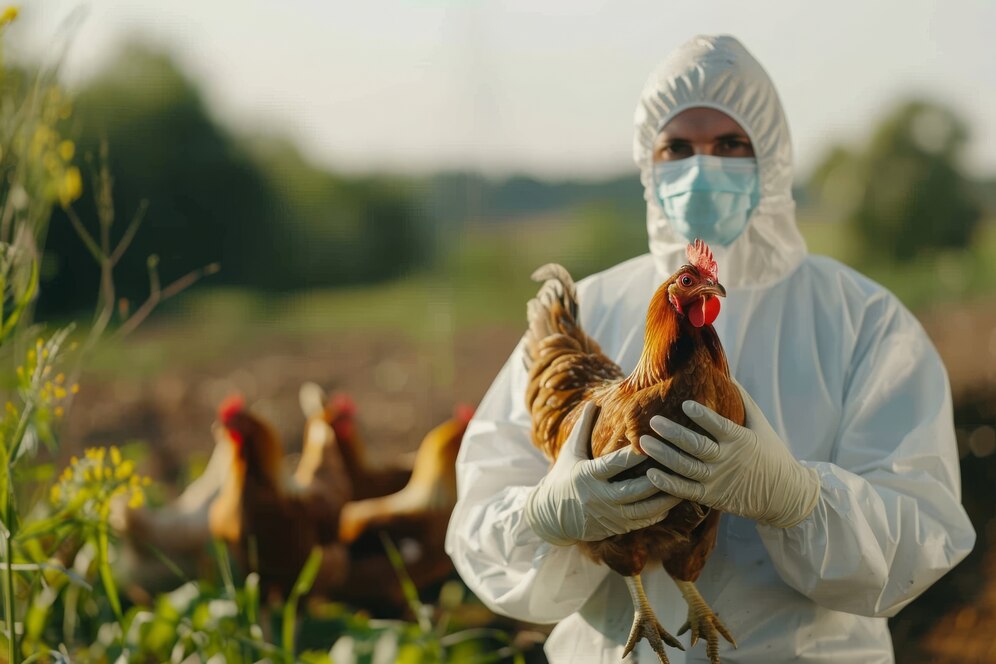
What is Bird Flu (Avian Influenza)?
Bird Flu (Avian Influenza) is caused by influenza type A viruses that naturally occur among wild aquatic birds worldwide. These viruses can spread to domestic poultry and, on rare occasions, to humans and other mammals. Human infections often occur after close contact with infected birds or contaminated environments.
There are many strains of the virus, but the most concerning for humans are H5N1, H7N9, and more recently H5N8. These strains can cause severe respiratory illnesses and have a high mortality rate in humans.
Symptoms of Bird Flu in Humans
The symptoms of Bird Flu can resemble those of regular seasonal influenza, which can make early diagnosis challenging. Symptoms may vary depending on the strain and the individual’s immune response.
Early Symptoms of Bird Flu (Avian Influenza)
- Fever (usually high)
- Cough
- Sore throat
- Runny or stuffy nose
- Muscle aches
- Headache
- Fatigue
- Eye infections (conjunctivitis)
Severe Symptoms of Bird Flu (Avian Influenza)
- Shortness of breath
- Chest pain
- Pneumonia
- Sepsis
- Acute respiratory distress syndrome (ARDS)
- Multi-organ failure
Onset Timeline
Symptoms typically appear 2 to 8 days after exposure but can take up to 17 days depending on the strain. Severe complications often develop rapidly, usually within five days of symptom onset.
Causes of Bird Flu (Avian Influenza)
Bird Flu (Avian Influenza) is caused by infection with Avian Influenza Type A viruses, which can be classified based on two proteins found on the virus surface: hemagglutinin (H) and neuraminidase (N).
Key Transmission Pathways
- Direct Contact with Infected Birds
- Handling live or dead infected birds
- Slaughtering or defeathering poultry
- Contaminated Surfaces
- Virus can survive for hours or even days on surfaces like cages, clothes, and farm equipment.
- Aerosol Transmission
- Inhaling droplets from an infected bird’s saliva, nasal secretions, or feces.
- Human-to-Human Transmission
- Rare but possible in limited, un-sustained cases. There is no evidence of efficient human-to-human transmission yet.
Risk Factors
- Poultry farmers
- Live bird market workers
- Veterinarians
- People handling birds in zoos or sanctuaries
- Travelers to outbreak regions
Diagnosis of Bird Flu (Avian Influenza)
Diagnosing Bird Flu early is crucial to effective treatment and preventing complications. Because early symptoms resemble other respiratory infections, specific tests are required.
Diagnostic Tools
- RT-PCR (Reverse Transcriptase Polymerase Chain Reaction)
- Detects genetic material from the virus. This is the most accurate and preferred test.
- Viral Culture
- Involves growing the virus from a sample. It’s accurate but slower than PCR.
- Rapid Influenza Diagnostic Tests (RIDTs)
- Offer results in 10–15 minutes but are less sensitive and specific for Avian strains.
- Serology
- Measures antibodies to see if there’s been past infection.
- Imaging Tests
- Chest X-rays or CT scans to check for pneumonia or lung complications.
Sample Collection
- Nasal or throat swabs
- Sputum samples
- Blood tests
Treatments for Bird Flu (Avian Influenza)
Early intervention significantly improves outcomes in Bird Flu cases. While there is no cure-all for the disease, several treatments can help reduce severity and increase survival rates.
Antiviral Medications
The mainstay treatment is antiviral drugs that inhibit viral replication.
- Oseltamivir (Tamiflu)
- Zanamivir (Relenza)
- Peramivir (Rapivab)
Timing is crucial—antivirals work best when taken within 48 hours of symptom onset.
Supportive Care
- Oxygen therapy
- IV fluids
- Mechanical ventilation (in severe cases)
- Fever and pain management
- Antibiotics for secondary bacterial infections
Hospitalization
Patients with severe symptoms are usually hospitalized to receive intensive respiratory support and continuous monitoring.
Experimental Treatments
In some severe cases, patients may be treated with:
- Corticosteroids
- Immunomodulatory therapy
- Plasma from recovered patients
These are still under clinical trials and not standard practice.
Vaccines and Prevention
Human Vaccines
Currently, no universal vaccine exists for all strains of Bird Flu. However, experimental vaccines targeting specific strains like H5N1 and H7N9 are under development or in emergency stockpiles.
Poultry Vaccination
Mass poultry vaccination programs are used in some countries to control outbreaks and reduce transmission to humans.
Preventing Bird Flu
Prevention focuses on reducing exposure to infected birds and maintaining good hygiene.
Personal Protection
- Avoid live poultry markets, especially in outbreak areas
- Don’t touch birds that appear sick or are dead
- Wash hands thoroughly after contact with animals
- Wear protective clothing and masks when handling birds
Travel Safety
- Stay updated on Bird Flu outbreaks
- Avoid undercooked poultry or eggs
- Choose accommodations away from farms or wet markets
Poultry Handling Guidelines
- Cook poultry to an internal temperature of 165°F (74°C)
- Separate raw poultry from other foods
- Sanitize all cooking tools and surfaces after use
Public Health Measures
- Culling infected bird populations
- Surveillance of migratory birds
- Border screenings during outbreaks
- Rapid response teams to contain local outbreaks
Living With Bird Flu: Coping and Recovery
Living through Bird Flu—either as a patient or caregiver—can be emotionally and physically challenging. Recovery often depends on the strain, overall health, and the speed of treatment.
Physical Recovery
- Rest is essential during and after treatment
- Respiratory therapy may be required for lung rehabilitation
- Follow-up tests to ensure virus clearance
Emotional and Mental Health
- Isolation during treatment can cause anxiety or depression
- Support groups and counseling help manage emotional impact
- Involvement in recovery planning improves morale
Nutrition and Wellness
- A well-balanced diet boosts the immune system
- Hydration supports recovery
- Vitamin C, D, and zinc can aid immune function (consult a doctor before supplements)
Bird Flu in Animals: What You Should Know
Understanding how Bird Flu affects animals can help in preventing human transmission.
In Poultry
- Sudden death
- Reduced egg production
- Swollen head or bluish comb
- Diarrhea and lethargy
In Wild Birds
- Many act as carriers without symptoms
- Migration patterns can spread the virus globally
In Pets
- Rare, but infection possible through contaminated food or water
- Monitor birds, cats, and dogs if living near poultry farms
Global Outbreaks and Response
Several Bird Flu outbreaks have occurred globally, affecting both animals and humans.
Notable Outbreaks
- H5N1 (1997) – Hong Kong
- H7N9 (2013) – China
- H5N8 (2020–2022) – Spread in Europe and Asia
WHO and CDC Response
- Coordinating surveillance and reporting
- Developing guidelines and treatment protocols
- Emergency stockpiling of antivirals and vaccines
The Future of Bird Flu: Are We Prepared?
The emergence of new strains raises concerns about a potential pandemic. While the current human-to-human transmission risk remains low, scientists and governments continue working to stay ahead.
Current Focus Areas
- Better diagnostic tools
- Broader-spectrum vaccines
- One Health approach—linking human, animal, and environmental health
What You Can Do
- Stay informed through reliable sources like WHO, CDC, and local health departments
- Report sick or dead birds to authorities
- Get regular flu shots—while not protective against Avian Flu specifically, they reduce co-infections
Conclusion
Bird Flu may sound like a distant threat to many, but the reality is that it holds the potential for significant global health implications. By understanding its symptoms, causes, diagnostic processes, treatment options, and preventive measures, we can better protect ourselves and our communities.
Whether you work with animals, live in a rural area, or simply want to be informed, staying updated and vigilant is key. Through global collaboration, scientific innovation, and public awareness, Bird Flu can be monitored and managed effectively.
FAQs about Bird Flu(Avian Influenza)
What is Bird Flu(Avian Influenza)?
Bird Flu, or Avian Influenza, is a viral infection primarily affecting birds but can sometimes infect humans and other animals. The virus spreads through direct contact with infected birds or contaminated surfaces. While human cases are rare, Bird Flu can cause serious illness and even death in some instances.
How is Bird Flu Transmitted to Humans?
Bird Flu spreads to humans through close contact with infected poultry or contaminated environments. This includes handling sick or dead birds, working in poultry farms, or consuming undercooked poultry. Aerosol transmission can also occur when inhaling droplets from infected birds.
What Are the Symptoms of Bird Flu in Humans?
Symptoms of Bird Flu in humans include:
High fever
Cough and sore throat
Muscle aches
Fatigue
Pneumonia
Respiratory distress
In severe cases, the infection can cause multi-organ failure or even death.
Can Bird Flu Be Caught From Eating Poultry?
While it’s rare, the risk of catching Bird Flu from consuming poultry can be minimized by cooking poultry and eggs to an internal temperature of 165°F (74°C). Proper handling and hygiene practices when preparing poultry are essential for safety.
What Are the Main Causes of Bird Flu?
The primary cause of Bird Flu is infection with Avian Influenza A viruses, specifically the H5N1, H7N9, and H5N8 strains, which primarily affect birds. Humans usually contract the virus through direct contact with infected birds or contaminated environments.
Can Bird Flu Be Transmitted Between Humans?
Human-to-human transmission of Bird Flu is rare but possible. The virus usually requires close contact with an infected bird or contaminated surface for transmission. However, in isolated cases, the virus has spread between humans, though it hasn’t caused widespread outbreaks.
How Is Bird Flu Diagnosed in Humans?
Bird Flu is diagnosed through laboratory tests, such as RT-PCR (Reverse Transcriptase Polymerase Chain Reaction), which detect the virus’s genetic material. A viral culture may also be used, and imaging tests, like chest X-rays, can assess lung involvement.
What Treatments Are Available for Bird Flu?
The primary treatment for Bird Flu is antiviral medication, such as Oseltamivir (Tamiflu) and Zanamivir (Relenza), which help reduce the severity of symptoms if taken early. Supportive care like oxygen therapy, mechanical ventilation, and antibiotics for secondary infections may be necessary in severe cases.
Is There a Vaccine for Bird Flu?
Currently, no universal vaccine exists for all strains of Bird Flu. However, there are experimental vaccines for specific strains like H5N1 and H7N9, which are used during outbreaks or for emergency stockpiles.
How Can I Prevent Bird Flu?
Preventing Bird Flu involves avoiding contact with infected birds, especially in outbreak areas. You should also:
Practice good hand hygiene
Wear protective gear when handling poultry
Cook poultry thoroughly to kill the virus
Avoid visiting live bird markets during outbreaks
Can Pets and Animals Get Bird Flu?
While rare, pets such as cats and dogs can contract Bird Flu through contact with infected birds or contaminated environments. It’s essential to keep pets away from sick or dead birds, particularly in regions with known outbreaks.
What Are the Long-Term Effects of Bird Flu?
The long-term effects of Bird Flu in humans depend on the severity of the infection. While most individuals recover without lasting issues, some may experience lung damage or chronic respiratory problems. In severe cases, multi-organ failure can lead to lasting complications.
How Does Bird Flu Affect Birds?
Bird Flu can be highly contagious in birds, leading to sudden death, decreased egg production, and respiratory distress. Infected birds may exhibit symptoms such as swelling, diarrhea, and lethargy. In severe outbreaks, entire flocks can be wiped out.
What Are the Global Efforts to Control Bird Flu?
Global health organizations like the World Health Organization (WHO) and Centers for Disease Control and Prevention (CDC) work with governments to monitor and control Bird Flu outbreaks. Measures include surveillance of wild and domestic birds, culling infected poultry, and stockpiling vaccines and antivirals.
For more details keep visiting our website or Facebook Page.