
Birth Control: A Comprehensive Guide to Methods, Benefits, and Living with Contraception
Birth-control is an essential aspect of reproductive health for many individuals. It encompasses a range of methods that can prevent pregnancy, regulate menstrual cycles, and even treat various medical conditions. With numerous options available today, it is crucial to understand the different birth-control methods, their symptoms, causes, diagnosis, treatments, and how they affect daily living. In this article, we will dive deep into these aspects of birth-control, helping you make informed decisions about your reproductive health.
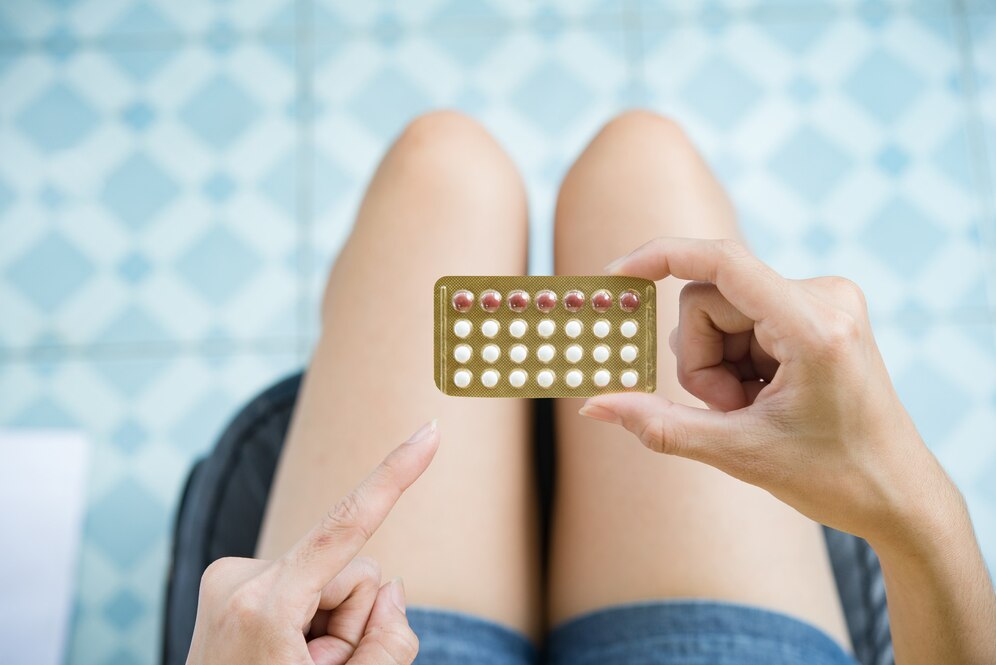
What Is Birth Control?
Birth-control, also known as contraception, refers to methods used to prevent pregnancy. Birth-control methods work in different ways, such as preventing sperm from fertilizing an egg, preventing the release of eggs from the ovaries, or altering the uterine environment to make it less favorable for pregnancy.
In addition to preventing pregnancy, some forms of birth-control also offer medical benefits, including the treatment of menstrual disorders, endometriosis, and other reproductive health concerns.
Types of Birth Control
There are many different types of birth-control available. Each method has its unique benefits, risks, and effectiveness rates. The most common types include:
- Oral Contraceptives (Birth-Control Pills)
The most widely used form of birth-control, birth-control pills contain synthetic hormones that prevent ovulation and alter the cervical mucus, making it difficult for sperm to reach an egg. - Condoms
Condoms, both male and female, are a barrier method of contraception. They prevent sperm from entering the vagina, reducing the chance of fertilization. - Intrauterine Devices (IUDs)
IUDs are small devices placed inside the uterus that prevent sperm from fertilizing an egg. There are hormonal and copper IUDs, each with different mechanisms. - Implants
Birth-control implants are small rods inserted under the skin of the arm that release hormones to prevent ovulation. - Injections
The birth-control shot, commonly known as Depo-Provera, is an injection of synthetic hormones that prevent ovulation for three months. - Patch
The birth-control patch is a small, adhesive patch that releases hormones to prevent ovulation. - Vaginal Ring
The vaginal ring is a flexible ring inserted into the vagina that releases hormones to prevent pregnancy. - Emergency Contraception
Emergency contraception pills (ECPs) or the “morning-after pill” are used after unprotected sex to prevent pregnancy. - Sterilization
Sterilization is a permanent form of contraception. In females, it involves tubal ligation (blocking or sealing the fallopian tubes), while males undergo a vasectomy (cutting or sealing the vas deferens).
Symptoms of Birth Control
While birth-control is primarily used for pregnancy prevention, many people use it to manage symptoms of various reproductive health conditions, such as:
- Irregular Menstrual Cycles
Birth-control helps regulate periods by controlling hormone levels. - Heavy Menstrual Bleeding
Certain birth-control methods, like IUDs and birth-control pills, can reduce heavy menstrual bleeding. - Painful Menstruation (Dysmenorrhea)
Some hormonal birth-control methods can reduce menstrual cramps, providing relief for those suffering from painful periods. - Acne
Certain birth-control pills may help reduce acne by regulating hormones that trigger breakouts. - Endometriosis
Hormonal birth-control can help manage the symptoms of endometriosis by suppressing the growth of endometrial tissue outside the uterus. - Polycystic Ovary Syndrome (PCOS)
Hormonal contraceptives can regulate periods, reduce acne, and manage excess hair growth, all of which are common symptoms of PCOS.
Causes for Using Birth Control
There are several reasons why individuals and couples may decide to use birth-control. Some of the most common reasons include:
- Preventing Unintended Pregnancies
The primary purpose of birth-control is to prevent unintended pregnancies. Couples may choose birth-control to ensure family planning, avoiding pregnancy at an inconvenient time. - Medical Conditions
Birth-control can be used to treat various medical conditions. For example, hormonal birth-control can help regulate menstrual cycles and reduce symptoms of conditions like endometriosis, PCOS, and fibroids. - Menstrual Regulation
Many people use birth-control to regulate irregular menstrual cycles, making periods more predictable and manageable. - Sexual Health
Some people use birth-control methods, like condoms, to protect themselves from sexually transmitted infections (STIs). Condoms can reduce the risk of transmission and offer a physical barrier. - Lifestyle Choices
Some individuals may choose birth-control for convenience or to align with their personal lifestyle preferences, such as avoiding pregnancy while focusing on career or education goals.
Diagnosis of Birth Control Needs
Before deciding on the best form of birth-control, it is essential to undergo a thorough evaluation. Your healthcare provider will consider various factors in determining the most suitable method for your needs:
- Health History
Your doctor will review your medical history to determine whether any underlying health conditions may affect your ability to use certain birth-control methods. - Lifestyle Factors
Your doctor will take into account your lifestyle, including factors like sexual activity, frequency of sex, smoking habits, and whether you plan on having children soon. - Menstrual and Reproductive History
A detailed account of your menstrual cycles and reproductive health will help your healthcare provider determine whether birth control is appropriate for you and which method is best. - Personal Preferences
You may have personal preferences regarding the type of birth control you want to use. Some individuals prefer non-hormonal methods, while others may opt for a method that requires minimal maintenance, like the IUD or implant. - Risk Factors
Certain factors, like a history of blood clots, cardiovascular disease, or certain types of cancer, may influence your birth control choices. Your doctor will consider these when recommending a method.
Treatment Options and Effectiveness
Birth control methods vary in their effectiveness at preventing pregnancy. Here is an overview of some common methods and their effectiveness:
- Oral Contraceptives
Birth control pills are about 91% effective with typical use, meaning 9 out of 100 women may become pregnant each year. However, when used correctly, their effectiveness increases to over 99%. - Condoms
Male condoms are 85% effective with typical use, and female condoms are about 79% effective. They are most effective when used consistently and correctly. - IUDs
Both hormonal and copper IUDs are highly effective, with a failure rate of less than 1%. - Implants and Injections
Implants and birth control shots are more than 99% effective at preventing pregnancy. - Sterilization
Sterilization is a permanent method with a failure rate of less than 1%. - Emergency Contraception
Emergency contraception pills can prevent pregnancy if taken within 72 hours after unprotected sex, with effectiveness decreasing over time.
It is important to consult with a healthcare provider to choose the most appropriate method based on personal preferences, health status, and lifestyle.
Living with Birth Control
Living with birth control varies from person to person. Some individuals may experience minor side effects, while others may have no side effects at all. Here are a few key considerations when living with birth control:
- Side Effects
Common side effects of birth control methods may include headaches, nausea, weight gain, mood changes, and irregular bleeding. It is essential to monitor how your body responds to your chosen method and consult your healthcare provider if side effects persist. - Consistency
For many hormonal methods like birth control pills, injections, or the patch, consistency is key to effectiveness. Taking the pill at the same time every day or receiving regular injections or implant check-ups ensures maximum effectiveness. - Emergency Contraception
If you have unprotected sex or experience contraceptive failure (such as a condom breaking), emergency contraception can be an option. It’s important to act quickly, as these pills are more effective the sooner they are taken. - Long-Term Health Effects
Some birth control methods, like the IUD or sterilization, can be used for years without requiring frequent intervention. However, it’s essential to regularly check with your healthcare provider to ensure everything is functioning as expected. - Psychological Effects
Birth control methods that influence hormone levels can sometimes impact mood, libido, and emotional well-being. If you notice significant changes, it’s essential to discuss alternative methods with your healthcare provider. - Fertility Post-Contraception
Most forms of birth control do not have long-term effects on fertility. However, some people may experience a temporary delay in conception after discontinuing certain methods, such as the injection.
Conclusion
Choosing the right birth control method involves understanding the options, considering personal needs, and consulting a healthcare provider to ensure the best fit for your body and lifestyle. Whether you’re using birth control for pregnancy prevention, managing a medical condition, or simply regulating your menstrual cycle, understanding how different methods work and their impact on your body is crucial. With the wide variety of options available today, birth control provides an empowering way to take control of reproductive health, allowing individuals to make informed and personalized choices.
FAQs about Birth Control
What is birth control, and how does it work?
Birth control refers to methods or devices used to prevent pregnancy. It works by either preventing sperm from fertilizing an egg, stopping ovulation (the release of eggs from the ovaries), or altering the uterus to make it less receptive to implantation. Common methods include oral contraceptives, IUDs, condoms, and hormonal implants.
What are the most common types of birth control?
The most common types of birth control include:
Oral contraceptives (pills)
Condoms (male and female)
IUDs (intrauterine devices)
Implants
Injectable contraceptives (Depo-Provera)
Vaginal rings
Contraceptive patches
Sterilization (permanent birth control)
Each method has different effectiveness rates and benefits.
Are birth control pills effective?
Yes, birth control pills are around 91% effective with typical use, meaning 9 out of 100 women may get pregnant each year. When taken correctly, they can be over 99% effective. To ensure the highest effectiveness, it’s crucial to take the pill at the same time every day.
Can birth control help with menstrual problems?
Yes, many forms of birth control, particularly hormonal methods like the pill, IUDs, and the implant, can help regulate menstrual cycles, reduce heavy bleeding, and alleviate painful cramps. Birth control can also reduce symptoms of conditions like endometriosis and polycystic ovary syndrome (PCOS).
Does birth control protect against sexually transmitted infections (STIs)?
No, most birth control methods (like the pill, IUD, or implant) do not protect against STIs. However, condoms (both male and female) are the only form of birth control that provide protection against most STIs, including HIV.
How soon can I get pregnant after stopping birth control?
Fertility can return immediately after stopping most forms of birth control, such as the pill or implant. However, it may take a few months for some women to conceive, especially if using methods like the birth control shot (Depo-Provera), which can delay ovulation for several months after stopping.
What are the side effects of birth control?
Common side effects of birth control can include headaches, nausea, weight changes, mood swings, and spotting between periods. Some methods, like hormonal birth control, can also affect libido. However, side effects often subside after a few months, and different methods may suit different individuals.
Is birth control safe to use for long periods?
Yes, many birth control methods, like the IUD or implant, are safe for long-term use. However, it’s important to regularly check in with your healthcare provider to ensure that the method is still working effectively and that there are no adverse side effects.
Can birth control help with acne?
Yes, certain types of birth control pills, particularly those containing estrogen, can help reduce acne by regulating hormone levels that trigger breakouts. If acne is a concern, talk to your healthcare provider about which birth control options might be best.
What should I do if I miss a dose of birth control?
If you miss a birth control pill, it’s important to follow the instructions on your pill packet or consult your healthcare provider. Depending on how many pills you missed and when you missed them, you may need to take an additional dose or use backup contraception (like condoms) for a short period.
How effective are condoms at preventing pregnancy?
Condoms are about 85% effective at preventing pregnancy with typical use. This means that 15 out of 100 women may get pregnant each year if using condoms alone. However, when used correctly and consistently, condoms can be over 98% effective in preventing pregnancy.
What is an IUD, and how does it work?
An IUD (intrauterine device) is a small, T-shaped device inserted into the uterus by a healthcare professional. It works by preventing sperm from fertilizing an egg and, in the case of hormonal IUDs, by thinning the uterine lining. IUDs are highly effective, with less than a 1% failure rate.
Can birth control affect my mood?
Yes, some people may experience mood swings or changes in their emotional state while using hormonal birth control. The synthetic hormones in birth control can influence mood, and some individuals may feel more anxious or depressed. If mood changes are significant, it’s important to consult a healthcare provider to consider alternative methods.
Is it possible to use birth control while breastfeeding?
Yes, many women use birth control while breastfeeding, but some methods are more suitable than others. For instance, progestin-only pills (the “mini-pill”), IUDs, and implants are safe during breastfeeding, while combination pills containing both estrogen and progestin may reduce milk supply in some women.
What is emergency contraception, and how does it work?
Emergency contraception (EC) refers to pills that can be taken after unprotected sex to prevent pregnancy. EC pills, such as Plan B or Ella, work by delaying ovulation, preventing fertilization, or preventing a fertilized egg from implanting in the uterus. EC is most effective when taken as soon as possible after unprotected sex but can be used up to 72 hours or more, depending on the type.
For more details keep visiting our website or Facebook Page.