
Understanding the Plagu’e: Symptoms, Causes, Diagnosis, Treatments, and Living With It
The word plag’ue often conjures images of historical pandemics and medieval devastation, but the reality is that plag’ue still exists today. Though rare, it remains a serious disease that requires timely diagnosis and treatment. In this in-depth guide, we’ll explore the various facets of the plagu’e, including its types, causes, symptoms, diagnostic processes, available treatments, and what it means to live with and prevent this potentially deadly illness.
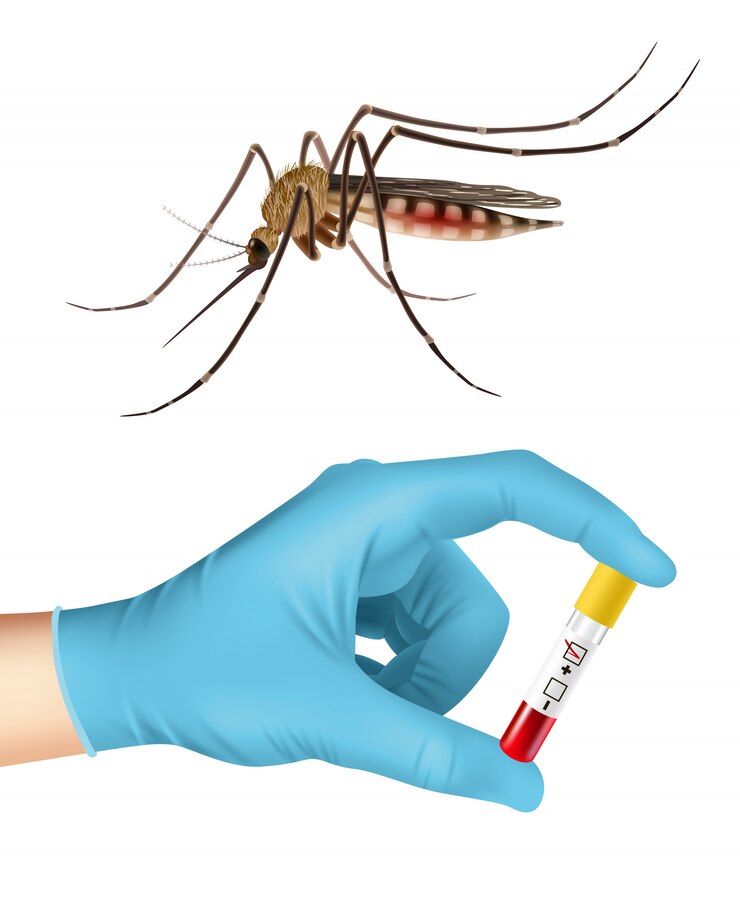
What Is the Plague?
The plag’ue is a severe infectious disease caused by the bacterium Yersinia pestis. It is most famously known for causing the “Black Death” in the 14th century, which decimated nearly a third of Europe’s population. Although medical advancements have made the disease much more manageable today, it is still considered a public health concern in some parts of the world.
Plag’ue primarily affects small mammals and is transmitted to humans through flea bites, direct contact with infected animals, or, less commonly, from human to human.
Types of Plague
There are three primary forms of the pla’gue:
- Bubonic Pl’ague
This is the most common form and is characterized by swollen lymph nodes (called buboes), fever, and chills. It occurs when an infected flea bites a person, introducing the bacteria into the lymphatic system. - Septicemic Pl’ague
This form occurs when the infection spreads to the bloodstream. It can occur as a complication of bubonic or pneumonic plag’ue or independently. It often causes severe systemic symptoms and may lead to septic shock. - Pneumonic Pla’gue
The most severe and contagious type, pneumonic plag;ue affects the lungs and can be transmitted from person to person via respiratory droplets. Without prompt treatment, it is almost always fatal.
Causes of the Plague
The plag-ue is caused by the bacterium Yersinia pestis. This organism is typically found in animals like rats, squirrels, and prairie dogs. It spreads to humans through various routes:
- Flea bites: Infected fleas that feed on rodents can bite humans, transferring the bacteria.
- Direct contact: Touching or handling an infected animal, especially during skinning or butchering, can lead to transmission.
- Respiratory droplets: In the case of pneumonic plagu’e, coughing or sneezing can spread the bacteria from one person to another.
- Contaminated materials: Though rare, exposure to contaminated tissue or bodily fluids may also lead to infection.
Risk Factors
Certain factors can increase your risk of contracting the plagu’e:
- Geographic location: Endemic regions include parts of Africa, Asia, and the southwestern United States.
- Occupation: Veterinarians, hunters, and wildlife researchers may be at higher risk due to close contact with animals.
- Living conditions: Poor sanitation, overcrowded living situations, and high rodent populations can elevate the risk.
- Pet exposure: Domestic pets that roam outdoors may bring infected fleas into the home.
Symptoms of Plague
The symptoms of the plagu’e vary depending on the type of infection:
Bubonic Plagu’e
- Sudden onset of fever and chills
- Headache and fatigue
- Swollen, painful lymph nodes (usually in the groin, armpit, or neck)
- Muscle aches
- Skin sores near flea bite sites
Septicemic Plagu’e
- High fever and chills
- Abdominal pain
- Vomiting and diarrhea
- Bleeding under the skin or from orifices
- Skin turning black (especially fingers, toes, and nose), a condition called necrosis
- Low blood pressure
- Shock
Pneumonic Plagu’e
- Fever and cough with bloody or watery sputum
- Chest pain and difficulty breathing
- Rapid respiratory failure
- Nausea and vomiting
- Headache and weakness
How Is Plague Diagnosed?
Early diagnosis is crucial to improving outcomes. Healthcare providers may suspect plagu’e based on symptoms, history of travel or exposure to animals, and clinical findings.
Diagnostic Tools and Tests
- Blood Tests: Used to detect the presence of Yersinia pestis in the bloodstream.
- Lymph Node Aspiration: Fluid from swollen lymph nodes is tested for the bacteria.
- Sputum Sample: In cases of pneumonic plagu’e, a sample of respiratory secretions can confirm infection.
- PCR Testing: Polymerase Chain Reaction (PCR) can rapidly detect bacterial DNA.
- Serological Tests: These detect antibodies the body produces against the bacterium.
Prompt laboratory confirmation helps guide appropriate treatment and infection control measures.
Treatment Options
Although the plagu’e was once nearly always fatal, modern medicine has drastically changed that outlook. Early treatment is vital and can significantly reduce the risk of complications and death.
Antibiotic Therapy
Several antibiotics are effective against Yersinia pestis, including:
- Streptomycin: Traditionally used and very effective but may have side effects.
- Gentamicin: An alternative aminoglycoside with similar efficacy.
- Doxycycline: Useful for patients who cannot tolerate aminoglycosides.
- Ciprofloxacin: An oral option often used for less severe cases or prophylaxis.
These antibiotics should be started within 24 hours of symptom onset to be most effective.
Supportive Care
In severe cases, patients may require:
- Intravenous fluids
- Oxygen therapy
- Medications to maintain blood pressure
- Hospitalization and monitoring for complications
Prevention Strategies
Preventing the plagu’e involves controlling the factors that lead to infection. The following strategies are key:
Personal Preventive Measures
- Avoid contact with wild animals: Especially rodents and dead animals.
- Flea control: Use flea repellents for pets and yourself in endemic areas.
- Protective clothing: Wear gloves and masks when handling animals.
- Insect repellents: Use DEET-based repellents when outdoors.
Environmental Controls
- Rodent control: Seal homes and reduce food sources to deter rodents.
- Pet care: Keep pets clean and free from fleas; limit their contact with wild animals.
- Sanitation: Maintain clean living spaces to reduce rodent attractants.
Vaccination
There is currently no widely available vaccine for plagu’e, though experimental vaccines are in development. Vaccination may be considered for people at high risk, such as laboratory workers.
Living With the Plague: Recovery and Long-Term Outlook
For those who survive the plagu’e, recovery may take weeks to months, depending on the severity of the illness and any complications. Physical and psychological effects may linger, especially in severe cases.
Recovery Process
- Antibiotic continuation: Full course must be completed, even after symptoms subside.
- Wound care: Buboes may need to be drained and cared for.
- Monitoring: Ongoing checkups may be needed to monitor for relapses or complications.
Long-Term Effects
While many people recover fully, others may experience:
- Chronic fatigue
- Scarring from necrotic tissue
- Psychological distress, including anxiety or PTSD
- Organ damage from septic shock
Support Resources
- Counseling services: Psychological support can aid in recovery.
- Support groups: Connecting with others who have experienced similar illnesses may be beneficial.
- Public health resources: Local health departments can offer advice and support for those in affected areas.
The Global Perspective: Plague Today
Though no longer the devastating pandemic of medieval times, plagu’e remains a concern in some parts of the world. The World Health Organization (WHO) tracks outbreaks, and public health responses are swift and coordinated.
Endemic Regions
- Africa: Madagascar reports the highest number of cases annually.
- Asia: Certain rural areas in China and Mongolia.
- United States: Primarily the southwestern states like Arizona, New Mexico, and Colorado.
Notable Outbreaks
- Madagascar, 2017: Over 2,000 cases, many pneumonic.
- Democratic Republic of Congo: Recurring cases reported annually.
- U.S. West: Sporadic cases, usually related to wildlife exposure.
Addressing Misconceptions About Plague
Due to its dramatic historical associations, many myths surround the plagu’e. Let’s debunk a few:
- Myth: The plagu’e is a thing of the past.
Fact: Plagu’e still exists and can be deadly without treatment. - Myth: You can catch the plagu’e easily from anyone.
Fact: Only pneumonic plague spreads person-to-person, and it’s not highly contagious in early stages. - Myth: There’s no treatment for the plague.
Fact: Modern antibiotics are highly effective when used promptly.
Conclusion
While the plague is no longer a global killer, it remains a serious illness that demands awareness and preparedness. With early recognition, proper diagnosis, and timely antibiotic treatment, most people recover fully from the infection. Continued public health efforts, surveillance, and education are key to preventing future outbreaks and saving lives.
By understanding the symptoms, causes, diagnostic methods, treatments, and strategies for living with plague, individuals and healthcare professionals can respond swiftly and effectively to this ancient yet persistent threat.
FAQs about Plague
What is the plague and how does it affect humans?
The plague is a serious infectious disease caused by the bacterium Yersinia pestis. It affects humans by targeting the lymphatic system, bloodstream, or lungs, depending on the type, and can cause severe illness or death if left untreated.
What are the main types of plague?
There are three primary types of plague:
Bubonic plague (affects lymph nodes),
Septicemic plague (affects the bloodstream),
Pneumonic plague (affects the lungs and is contagious via respiratory droplets).
How is the plague transmitted to humans?
Plague is usually transmitted through the bite of an infected flea. It can also spread by handling infected animals, inhaling respiratory droplets from a person with pneumonic plague, or coming into contact with contaminated fluids or tissue.
Is the plague still present in today’s world?
Yes, while rare, the plague still exists today. It is considered endemic in parts of Africa, Asia, and the southwestern United States. Outbreaks occasionally occur and are closely monitored by health authorities.
What are the symptoms of bubonic plague?
Bubonic plague symptoms include sudden fever, chills, fatigue, headache, and painful swollen lymph nodes called buboes, usually found in the groin, armpit, or neck.
How is pneumonic plague different from other forms?
Pneumonic plague affects the lungs and is the only form that can spread from person to person through airborne droplets, making it highly dangerous and requiring immediate medical attention.
What should I do if I think I’ve been exposed to the plague?
Seek emergency medical care immediately. Early antibiotic treatment is essential. If caught early, the plague can usually be treated successfully.
Can antibiotics cure the plague?
Yes, modern antibiotics like streptomycin, doxycycline, and ciprofloxacin are effective in treating the plague. The key is early diagnosis and prompt treatment.
How is plague diagnosed by doctors?
Doctors diagnose plague through a combination of symptom analysis, medical history, and laboratory tests such as blood cultures, lymph node fluid analysis, or PCR testing for bacterial DNA.
How can I protect myself from the plague?
To prevent plague, avoid contact with wild animals, control rodent populations, use insect repellents, and keep pets flea-free. In endemic areas, follow local health advisories.
Are there vaccines available for the plague?
Are there vaccines available for the plague?
Can pets get the plague and transmit it to humans?
Yes, pets like cats and dogs can become infected if they come into contact with infected fleas or animals. They can potentially spread the disease to humans, especially if they develop pneumonic symptoms.
What is the mortality rate of untreated plague?
Untreated bubonic plague has a mortality rate of 30–60%. Pneumonic and septicemic plague are even more deadly, with near 100% fatality if not treated promptly.
Can the plague come back as a pandemic?
While the plague is closely monitored and outbreaks are quickly controlled today, the potential for local outbreaks still exists. Public health systems are equipped to prevent it from becoming a global pandemic again.
What long-term effects might a plague survivor experience?
Survivors may deal with fatigue, scarring from tissue damage, organ complications from septicemia, or psychological stress. With proper medical care and support, most people recover fully.
For more details keep visiting our website or Facebook Page.