
Brain Aneurysms: Understanding, Managing, and Living with the Condition
A brain aneurysm, also known as a cerebral aneurysm or intracranial aneurysm, is a potentially life-threatening condition that affects thousands of people worldwide. Though many brain aneurysms go unnoticed, their rupture can lead to devastating consequences such as a hemorrhagic stroke, brain damage, or death. This comprehensive article aims to explore everything you need to know about brain aneurysms, including symptoms, causes, diagnostic procedures, treatment options, and how to live with this condition.
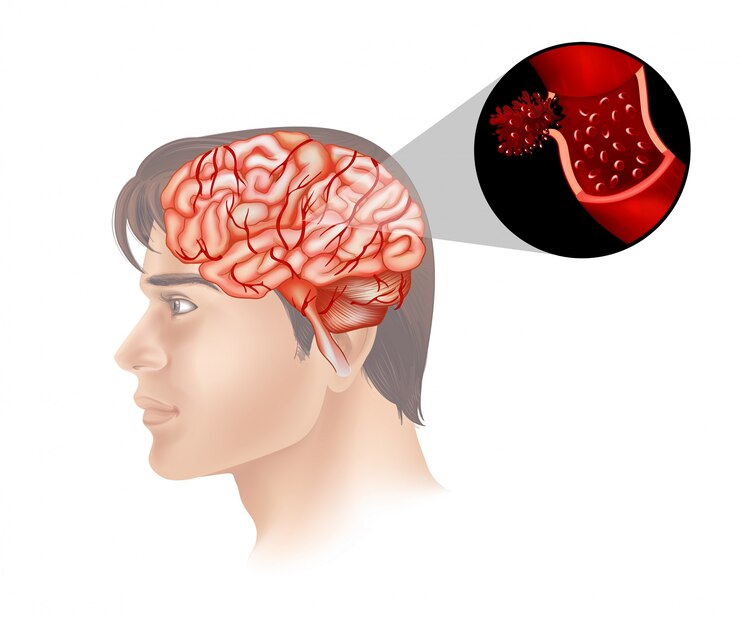
What Is a Brain Aneurysm?
A brain aneurysm is a bulge or ballooning in a blood vessel in the brain. It often resembles a berry hanging on a stem. This bulge occurs due to a weakness in the wall of a blood vessel, typically in arteries found at the base of the brain. If a brain aneurysm ruptures, it causes bleeding into the space around the brain, known as a subarachnoid hemorrhage, which is a medical emergency.
There are different types of brain aneurysms:
- Saccular (Berry) Aneurysm: The most common form, characterized by a rounded sac filled with blood.
- Fusiform Aneurysm: A less common type that bulges out on all sides of a blood vessel.
- Mycotic Aneurysm: Caused by an infection.
- Traumatic Aneurysm: Results from head injury.
Symptoms of Brain Aneurysms
Unruptured Aneurysms
In many cases, unruptured brain aneurysms do not cause symptoms and are discovered incidentally during imaging tests. However, when symptoms do occur, they may include:
- Pain above or behind the eye
- Dilated pupil
- Double or blurred vision
- Numbness or weakness on one side of the face
- Difficulty speaking
- Seizures (rare)
- Headaches
Ruptured Aneurysms
When a brain aneurysm ruptures, it leads to a sudden, severe headache often described as the “worst headache of my life.” Other symptoms of a ruptured aneurysm include:
- Sudden loss of consciousness
- Nausea and vomiting
- Neck stiffness
- Sensitivity to light
- Seizures
- Confusion or altered mental status
- Drooping eyelid
- Loss of balance or coordination
Sentinel Headaches
Some individuals experience “sentinel headaches” days or weeks before a major rupture. These are warning leaks from the aneurysm and should be evaluated promptly.
Causes and Risk Factors
A brain aneurysm can develop due to several reasons. While some people are born with congenital defects in the artery walls, others develop aneurysms over time due to a combination of risk factors.
Common Causes:
- Arterial Wall Weakness: Often inherited or due to chronic stress on artery walls.
- Atherosclerosis: Build-up of plaque can contribute to weakening of vessels.
- Head Trauma: Physical injury can cause damage to blood vessels.
- Infections: Rare but can lead to mycotic aneurysms.
- Congenital Conditions: Such as polycystic kidney disease or connective tissue disorders like Ehlers-Danlos syndrome.
Risk Factors:
- Age: Most common in adults over 40.
- Gender: Women are more prone than men.
- Family History: Genetics play a significant role.
- Smoking: Major contributor to arterial damage.
- High Blood Pressure: Chronic hypertension stresses blood vessel walls.
- Drug Use: Particularly cocaine and amphetamines.
- Heavy Alcohol Use: Impacts blood pressure and vessel health.
Understanding these causes and risks can aid in early detection and prevention.
Diagnosis of Brain Aneurysms
Early diagnosis is essential for managing brain aneurysms, especially before rupture occurs. Several diagnostic techniques can help identify aneurysms:
1. Computed Tomography (CT) Scan
- The first step in evaluating someone with a suspected ruptured aneurysm.
- A CT scan can detect bleeding in the brain quickly.
2. CT Angiography (CTA)
- Uses a contrast dye to visualize blood vessels.
- Excellent for detecting unruptured aneurysms.
3. Magnetic Resonance Imaging (MRI)
- Offers detailed images of the brain and blood vessels.
- MRI angiography (MRA) is particularly useful for visualizing aneurysms.
4. Cerebral Angiogram
- A catheter is threaded through an artery to the brain.
- Considered the gold standard for aneurysm diagnosis.
- Provides detailed images of cerebral blood vessels.
5. Lumbar Puncture
- If a CT scan is inconclusive, a spinal tap may be performed.
- Helps detect blood in the cerebrospinal fluid indicating rupture.
Treatment Options
Treatment depends on several factors, including the size, location, and condition of the aneurysm, as well as the patient’s overall health.
Unruptured Aneurysm Treatment
Unruptured aneurysms may be managed with either monitoring or intervention, depending on the risk of rupture.
1. Observation
- Small, stable aneurysms may be monitored with regular imaging.
- Lifestyle changes and medication for blood pressure may be recommended.
2. Surgical Clipping
- A neurosurgeon places a metal clip at the base of the aneurysm to isolate it.
- Requires open brain surgery.
3. Endovascular Coiling
- A less invasive procedure.
- A catheter is used to insert coils that fill the aneurysm and prevent blood flow.
4. Flow Diversion
- Stent-like device placed in the artery to divert blood flow away from the aneurysm.
Ruptured Aneurysm Treatment
Immediate emergency care is required to stop bleeding and relieve pressure on the brain.
- Emergency Surgery (Clipping or Coiling)
- Ventriculostomy: Drains excess fluid from the brain.
- Medication: To prevent complications like vasospasm or seizures.
- Rehabilitation: Physical, occupational, and speech therapy may be needed after recovery.
Complications of Brain Aneurysms
After Rupture:
- Rebleeding: High risk within the first 24 hours.
- Hydrocephalus: Accumulation of cerebrospinal fluid in the brain.
- Vasospasm: Narrowing of blood vessels leading to strokes.
- Permanent Brain Damage
- Coma or Death
Long-Term Effects:
- Cognitive impairments
- Speech and language difficulties
- Memory loss
- Emotional or behavioral changes
These complications underline the importance of early diagnosis and effective treatment.
Living with a Brain Aneurysm
Being diagnosed with a brain aneurysm, whether treated or under observation, can significantly impact one’s emotional and mental well-being.
Lifestyle Adjustments
- Control Blood Pressure
- Maintain a low-sodium diet
- Exercise regularly
- Take prescribed medications
- Quit Smoking
- Significantly lowers the risk of aneurysm rupture.
- Avoid Heavy Lifting and Straining
- Reduces pressure on blood vessels.
- Limit Alcohol and Drug Use
- Especially stimulants like cocaine.
- Stress Management
- Practices like yoga, meditation, or counseling can help.
Psychological Support
- Therapy and Counseling: Managing anxiety and depression is crucial.
- Support Groups: Connecting with others can reduce feelings of isolation.
- Cognitive Rehabilitation: Especially important for those recovering from a rupture.
Regular Medical Follow-Up
- Routine imaging tests (MRI, CT scans) to monitor aneurysm stability.
- Annual or biannual consultations with a neurologist or neurosurgeon.
Preventing Brain Aneurysms
While not all aneurysms are preventable, you can take proactive steps to reduce your risk:
- Maintain a healthy blood pressure.
- Eat a balanced diet rich in fruits, vegetables, and lean proteins.
- Exercise regularly.
- Don’t smoke or use recreational drugs.
- Manage stress effectively.
- Get regular check-ups, especially if there’s a family history.
Brain Aneurysms in Special Populations
Children and Adolescents
Rare but often associated with congenital abnormalities or trauma. Diagnosis and treatment are more complex due to developmental concerns.
Pregnant Women
Changes in blood pressure and volume can pose risks. Management requires collaboration between obstetricians and neurologists.
Elderly
Higher surgical risks, but also higher rupture risks. Decisions are individualized based on health status and aneurysm characteristics.
Brain Aneurysms: Myths vs. Facts
Myth: All brain aneurysms are deadly.
Fact: Many are unruptured and never cause symptoms or require treatment.
Myth: Surgery is always required.
Fact: Small, stable aneurysms may only need monitoring.
Myth: Only older people get aneurysms.
Fact: Aneurysms can affect people of all ages.
Myth: A headache always means an aneurysm.
Fact: While severe sudden headaches can be a warning sign, not all headaches are related to aneurysms.
Final Thoughts
Brain aneurysms are serious medical conditions that require awareness, timely diagnosis, and proper management. Advances in medical technology and surgical techniques have significantly improved outcomes for patients with both ruptured and unruptured aneurysms. By understanding the symptoms, risk factors, and treatment options, individuals can take control of their health and make informed decisions.
If you or a loved one is diagnosed with a brain aneurysm, know that you are not alone. With appropriate medical care, lifestyle adjustments, and support, many people go on to lead healthy, fulfilling lives.
FAQs about Brain Aneurysms
What is a brain aneurysm?
A brain aneurysm is a weak spot in a blood vessel in the brain that causes it to bulge or balloon. This abnormality can be dangerous if it ruptures, leading to serious health complications such as a hemorrhagic stroke.
What causes a brain aneurysm?
Brain aneurysms can occur due to several factors, including a congenital weakness in the blood vessel walls, high blood pressure, atherosclerosis, smoking, or head trauma. Genetic factors may also play a role.
How can I tell if I have a brain aneurysm?
Most brain aneurysms do not show symptoms until they rupture. However, symptoms like sudden severe headaches, vision changes, numbness, or speech difficulties may indicate the presence of an aneurysm.
Are brain aneurysms hereditary?
Yes, family history can increase the risk of developing a brain aneurysm. If you have a close family member with an aneurysm, your risk may be higher.
What are the symptoms of a brain aneurysm?
Symptoms of an unruptured brain aneurysm may include headaches, blurry vision, pain behind the eyes, and speech difficulties. A ruptured aneurysm typically causes sudden severe headaches, nausea, vomiting, and loss of consciousness.
Can a brain aneurysm be prevented?
While it may not be entirely preventable, controlling risk factors such as high blood pressure, avoiding smoking, and maintaining a healthy lifestyle can reduce the risk of developing a brain aneurysm.
How are brain aneurysms diagnosed?
Doctors can diagnose brain aneurysms using imaging tests like a CT scan, MRI, or cerebral angiogram. These tests provide detailed views of the brain and blood vessels, helping doctors identify any abnormal bulging.
What are the treatment options for a brain aneurysm?
Treatment options include monitoring small aneurysms, surgical clipping to isolate the aneurysm, and endovascular coiling, which involves inserting coils to block blood flow to the aneurysm. In some cases, flow diversion is used to reduce blood flow to the aneurysm.
What happens if a brain aneurysm ruptures?
If a brain aneurysm ruptures, it causes severe bleeding in the brain, leading to a subarachnoid hemorrhage. This can result in brain damage, stroke, coma, or death. Immediate medical intervention is required.
What is the recovery process after brain aneurysm surgery?
Recovery after surgery varies depending on the individual and the type of procedure. Generally, it includes rest, physical therapy, cognitive rehabilitation, and regular follow-ups to monitor progress. Full recovery may take several months.
Can you live with an unruptured brain aneurysm?
Yes, many people live with an unruptured brain aneurysm, especially if it is small and not growing. Regular monitoring and lifestyle adjustments, such as controlling blood pressure, can help reduce the risk of rupture.
Are there any long-term effects of a ruptured brain aneurysm?
Yes, long-term effects can include cognitive impairments, speech difficulties, memory problems, emotional changes, or physical disabilities. Rehabilitation therapy often helps individuals regain lost functions.
Who is most at risk for developing a brain aneurysm?
People over 40, those with high blood pressure, smokers, and individuals with a family history of brain aneurysms are at higher risk. Women are generally more prone to developing aneurysms than men.
How can you prevent a brain aneurysm from rupturing?
To prevent rupture, it’s essential to control risk factors such as high blood pressure, avoid smoking, manage stress, and follow a healthy diet and exercise routine. Regular medical check-ups are important for those with known aneurysms.
What are the chances of surviving a brain aneurysm rupture?
Survival rates depend on the severity of the rupture, the promptness of treatment, and the patient’s overall health. Early intervention can improve survival chances, but ruptured aneurysms often lead to serious consequences if not treated immediately.
For more details keep visiting our website or Facebook Page.