
Brittle Bone Disease: Causes, Symptoms, Diagnosis, Treatment, and Living with Osteogenesis Imperfecta
Brittle Bone Disease, medically known as Osteogenesis Imperfecta (OI), is a rare genetic disorder characterized by fragile bones that break easily, often with little or no apparent cause. This condition can range from mild to severe and affects approximately 1 in 15,000 to 20,000 people worldwide. For those living with OI, life can be a constant balancing act between maintaining mobility and avoiding injuries. Understanding this condition is essential for patients, caregivers, and health professionals alike.
In this comprehensive blog post, we’ll explore everything you need to know about Brittle Bone Disease — from its symptoms and causes to diagnostic methods, treatments, and ways to live a fulfilling life with the disorder.
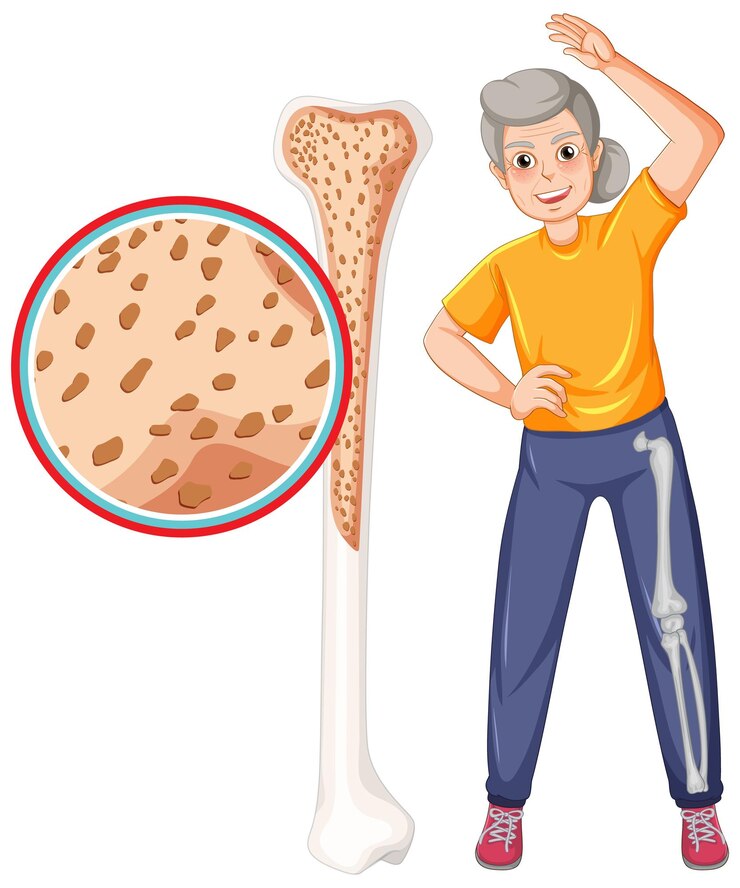
What is Brittle Bone Disease?
Brittle Bone Disease or Osteogenesis Imperfecta is a genetic disorder that primarily affects the bones, making them weak and more susceptible to fractures. The term “Osteogenesis Imperfecta” translates to “imperfect bone formation,” reflecting the condition’s underlying issue—defective collagen production. Collagen is a key protein that helps strengthen bones and connective tissues.
There are several types of OI, classified based on their severity and genetic cause. The most common types include:
- Type I: Mildest and most common form
- Type II: Most severe, often fatal shortly after birth
- Type III: Severe form with frequent fractures and bone deformities
- Type IV: Moderate severity
Causes of Brittle Bone Disease
1. Genetic Mutations
OI is typically caused by mutations in the COL1A1 or COL1A2 genes, which are responsible for the production of type I collagen. Mutations in these genes can result in collagen that is either of poor quality or produced in insufficient quantities.
2. Inheritance Pattern
The majority of OI cases are inherited in an autosomal dominant pattern, meaning a child only needs one defective gene from one parent to inherit the disorder. However, some types, like Type II and VII, can be inherited in an autosomal recessive pattern, requiring both parents to pass on a copy of the mutated gene.
3. New (De Novo) Mutations
In some cases, OI can result from a spontaneous mutation with no prior family history. These are known as de novo mutations and often occur during the formation of reproductive cells or in early fetal development.
Symptoms of Brittle Bone Disease
The symptoms of OI can vary significantly depending on the type and severity of the disease. Here are the most common signs and symptoms:
1. Frequent Bone Fractures
This is the hallmark symptom. Fractures can occur from minor injuries or even routine activities like changing diapers or rolling over in bed.
2. Bone Deformities
Repeated fractures and improper healing can lead to bowed legs, scoliosis (curved spine), or other skeletal abnormalities.
3. Short Stature
Children with OI may experience slow growth, resulting in below-average height compared to peers.
4. Blue Sclerae
The whites of the eyes (sclerae) may appear blue or gray due to the thinness of the connective tissue, a characteristic sign of OI.
5. Hearing Loss
About 50% of people with OI may develop hearing problems due to abnormalities in the bones of the middle ear.
6. Loose Joints and Muscle Weakness
Ligament laxity and weak muscles are common, leading to joint pain and reduced physical capability.
7. Dental Issues (Dentinogenesis Imperfecta)
Teeth may be discolored, brittle, and prone to breakage due to poor dentin quality.
8. Respiratory Problems
In severe cases, individuals may develop breathing issues due to chest wall deformities and reduced lung capacity.
Diagnosing Brittle Bone Disease
Early and accurate diagnosis is critical to managing OI effectively. Diagnosis typically involves a combination of clinical evaluation, family history, and specialized tests.
1. Medical History and Physical Examination
A physician will assess the patient’s history of fractures, growth patterns, and any physical signs like blue sclerae or skeletal deformities.
2. Genetic Testing
DNA analysis can identify mutations in the COL1A1 or COL1A2 genes. This is the most definitive diagnostic tool and can also be used for prenatal diagnosis.
3. Bone Density Test (DEXA Scan)
A DEXA scan measures bone mineral density and helps determine the extent of bone fragility.
4. Radiologic Imaging
X-rays and other imaging methods are used to detect fractures, bone deformities, and skeletal abnormalities.
5. Skin Biopsy
In some cases, a skin sample is analyzed to assess collagen structure and function.
Treatment Options for Brittle Bone Disease
While there is no cure for OI, several treatment strategies can improve quality of life, reduce fracture risk, and promote mobility.
1. Medications
- Bisphosphonates: These drugs, such as pamidronate and alendronate, help increase bone density and reduce the frequency of fractures.
- Teriparatide: A form of parathyroid hormone used in some adults with OI to stimulate bone formation.
2. Physical Therapy
Customized physical therapy can strengthen muscles, improve posture, and enhance balance to prevent falls. Aquatic therapy is especially beneficial due to its low-impact nature.
3. Orthopedic Surgery
- Rodding Surgery: Involves placing metal rods in long bones to prevent fractures and correct deformities.
- Spinal Fusion: May be required in severe scoliosis cases.
4. Mobility Aids
Canes, walkers, and wheelchairs may be necessary, particularly for those with severe types of OI.
5. Dental Care
Dentists familiar with OI can offer treatments like crowns or specialized fillings to protect fragile teeth.
6. Hearing Aids
For those experiencing hearing loss, assistive devices can significantly improve communication and quality of life.
Living with Brittle Bone Disease
1. Coping Emotionally
Living with a chronic condition like OI can be emotionally challenging. Support from family, friends, and mental health professionals is vital. Support groups and online communities can also offer a sense of belonging and shared experiences.
2. Home Modifications
Creating a safe living environment is essential to prevent injuries. This may include:
- Installing grab bars and ramps
- Using non-slip flooring
- Rearranging furniture for better mobility
3. Education and Schooling
Children with OI can attend regular schools with some accommodations:
- Assistance with mobility
- Modified physical education
- Extra time for tasks
Teachers and peers should be educated about the condition to foster an inclusive and supportive environment.
4. Diet and Nutrition
Maintaining a diet rich in calcium and vitamin D is crucial for bone health. Weight-bearing exercises, under supervision, also contribute to stronger bones.
5. Regular Medical Follow-Ups
Routine checkups with orthopedic specialists, physical therapists, audiologists, and dentists are necessary to monitor and manage symptoms proactively.
Advancements in Research and Future Outlook
Ongoing research offers hope for better management and potential future cures for OI. Current studies are exploring:
- Gene Therapy: Correcting the underlying genetic defect
- Stem Cell Therapy: Regenerating healthy bone tissue
- New Medications: Developing safer, more effective drugs with fewer side effects
Clinical trials are also testing combinations of therapies to determine the most effective strategies for specific OI types.
Tips for Parents and Caregivers
- Be proactive with medical care: Ensure consistent medical appointments and keep records.
- Create a support system: Connect with OI foundations and other families.
- Empower independence: Encourage your child to try activities in safe environments to build confidence and skills.
- Educate others: Inform teachers, caregivers, and babysitters about handling and mobility needs.
Frequently Asked Questions (FAQs)
Q1: Can Brittle Bone Disease be detected during pregnancy?
Yes, severe forms of OI (like Type II) can often be detected via prenatal ultrasound and confirmed with genetic testing.
Q2: Is OI the same in every person?
No. Symptoms and severity can vary widely, even within the same family.
Q3: Can people with OI lead normal lives?
Many people with OI live fulfilling lives with the right support, treatment, and accommodations.
Q4: Is exercise safe for someone with OI?
Yes, under medical supervision. Activities like swimming, walking, and physical therapy help strengthen muscles and improve bone health.
Final Thoughts
Brittle Bone Disease may present significant physical and emotional challenges, but with early diagnosis, a proactive treatment plan, and a strong support system, individuals with OI can lead productive and meaningful lives. While there is no cure yet, advances in medical science are paving the way for improved therapies and possibly, a future cure.
Raising awareness, supporting research, and promoting inclusive care can help transform the lives of those affected by this rare disorder. If you or someone you know is living with OI, remember that knowledge is power—and you are not alone.
FAQs about Brittle Bone Disease
What is Brittle Bone Disease?
Brittle Bone Disease, also called Osteogenesis Imperfecta (OI), is a genetic disorder where bones are fragile and break easily due to poor collagen production.
What causes Brittle Bone Disease?
It is primarily caused by mutations in the COL1A1 or COL1A2 genes, which affect collagen production essential for strong bones.
Is Brittle Bone Disease inherited?
Yes, most cases are inherited in an autosomal dominant pattern, although some rare types follow an autosomal recessive inheritance.
How is Osteogenesis Imperfecta diagnosed?
Diagnosis involves clinical evaluation, genetic testing, X-rays, bone density scans, and sometimes a skin biopsy to analyze collagen.
What are the main symptoms of Brittle Bone Disease?
Frequent bone fractures, bone deformities, short stature, blue sclerae, hearing loss, loose joints, and dental issues are common symptoms.
Can OI be detected before birth?
Yes, severe forms can sometimes be detected during pregnancy through ultrasound and confirmed by genetic testing or amniocentesis.
Is there a cure for Brittle Bone Disease?
Currently, there is no cure, but treatments like medications, physical therapy, surgery, and mobility aids can manage symptoms effectively.
What types of treatment are available for OI?
Treatments include bisphosphonates to strengthen bones, rodding surgery, physical therapy, hearing aids, dental care, and lifestyle modifications.
Can someone with OI live a normal life?
Yes, with proper treatment, support, and precautions, many individuals with OI can lead fulfilling and active lives.
What kind of exercise is safe for people with OI?
Low-impact exercises like swimming, walking, and supervised physical therapy can help build strength without stressing fragile bones.
How can caregivers support a child with OI?
Caregivers can provide emotional support, ensure regular medical care, create a safe environment, and promote independence with adaptive tools.
Is hearing loss common in OI patients?
Yes, about 50% of individuals with OI may experience hearing loss, often beginning in early adulthood or middle age.
Can dental issues occur in Brittle Bone Disease?
Yes, dentinogenesis imperfecta is common in OI, leading to discolored, fragile teeth that require specialized dental care.
What role does nutrition play in managing OI?
A diet rich in calcium and vitamin D supports bone health, and maintaining a healthy weight reduces stress on fragile bones.
How is life expectancy affected by OI?
Life expectancy varies by type; mild cases often have a normal lifespan, while severe cases may face complications that require close monitoring.
For more details keep visiting our website or Facebook Page.