
Epilepsy: A Comprehensive Guide to Symptoms, Causes, Types, Diagnosis, and Treatments
Epilepsy is one of the most common neurological disorders worldwide, affecting millions of people of all ages. Despite its prevalence, epilepsy remains misunderstood by many. This comprehensive article aims to shed light on the condition by exploring its symptoms, causes, types, diagnosis methods, and available treatments. Whether you are a patient, caregiver, or simply curious, this guide will help you understand epi-lepsy in-depth.
What is Epilepsy?
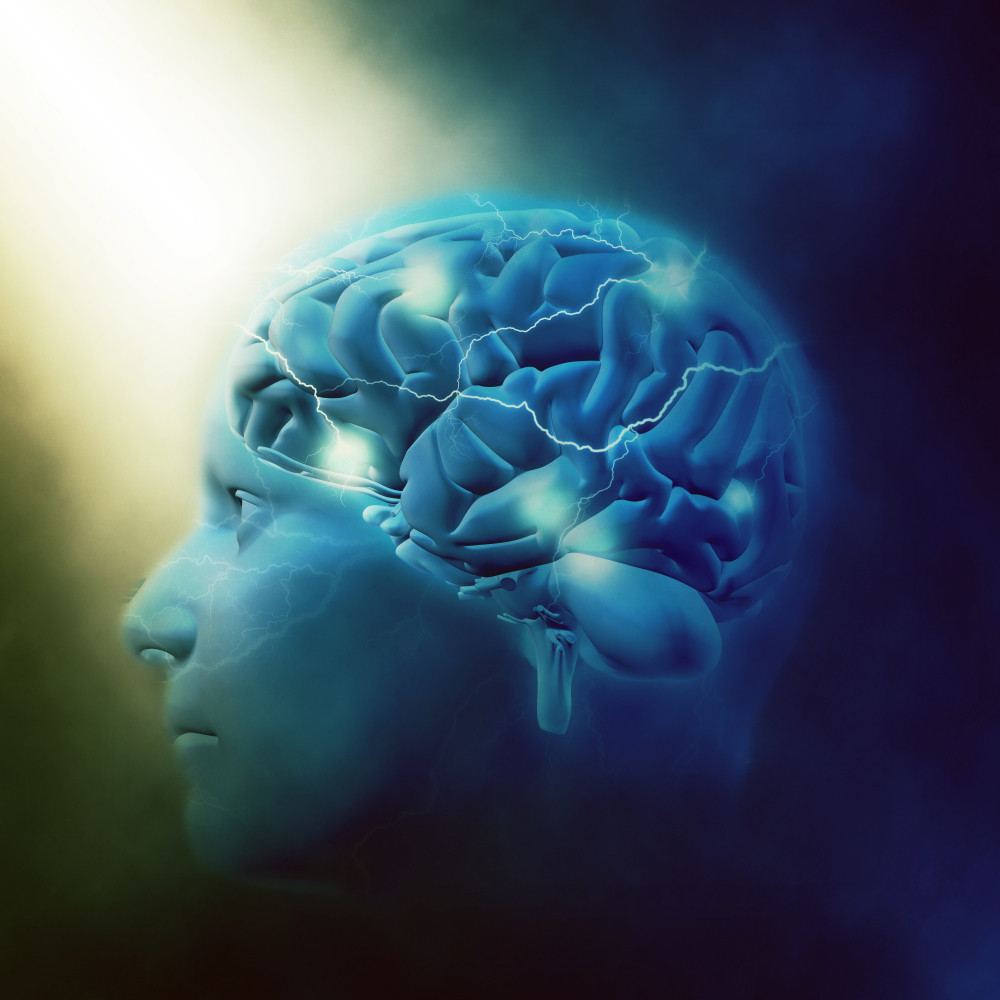
Epilepsy is a chronic neurological disorder characterized by recurrent, unprovoked seizures. A seizure occurs due to sudden, abnormal electrical activity in the brain, causing temporary changes in behavior, sensation, or consciousness. While a single seizure can happen for many reasons, epi-lepsy is diagnosed when a person experiences two or more seizures without a clear provocation.
Epi-lepsy is not a single disease but a spectrum of disorders with various causes and manifestations. It can affect anyone, regardless of age, gender, or ethnicity.
Symptoms of Epilepsy
The hallmark of epi-lepsy is recurrent seizures, but seizures themselves vary widely. Symptoms depend on the type of seizure and which part of the brain is involved. Below are the most common symptoms associated with epi-lepsy:
1. Seizures
- Generalized Seizures: Affect the entire brain and usually involve loss of consciousness. Types include:
- Tonic-clonic seizures (Grand mal): Characterized by stiffening (tonic phase) followed by rhythmic jerking (clonic phase) of muscles. Loss of consciousness, drooling, and tongue biting may occur.
- Absence seizures (Petit mal): Brief lapses of consciousness lasting a few seconds, often mistaken for daydreaming.
- Myoclonic seizures: Sudden, brief jerks of muscles or muscle groups.
- Atonic seizures: Sudden loss of muscle tone, leading to falls.
- Focal (Partial) Seizures: Originate in one part of the brain. Symptoms depend on the brain region affected and include:
- Simple focal seizures: No loss of consciousness, but abnormal sensations, twitching, or strange smells.
- Complex focal seizures: Impaired awareness, confusion, lip-smacking, or repetitive movements.
2. Aura
Before some seizures, individuals may experience an aura — a warning sign that a seizure is about to happen. Auras are actually focal seizures and can manifest as unusual smells, tastes, feelings of déjà vu, or visual disturbances.
3. Postictal State
After a seizure, the person may feel confused, tired, or weak. This phase can last minutes to hours depending on the seizure type and severity.
4. Other Symptoms
- Temporary paralysis or weakness on one side of the body (Todd’s paralysis)
- Sudden fear or anxiety during seizures
- Uncontrollable blinking or staring spells
Causes of Epilepsy
Epilepsy can result from many different factors. In some cases, no clear cause is found (idiopathic epi-lepsy). Understanding the underlying cause is essential for effective treatment.
1. Genetic Factors
Some types of epi-lepsy have a genetic basis. Mutations in certain genes can affect how neurons communicate, leading to seizures. These forms often run in families.
2. Structural Brain Abnormalities
- Brain Injuries: Traumatic brain injury (TBI) from accidents or falls.
- Stroke: Disruption of blood flow can damage brain tissue, triggering seizures.
- Brain Tumors: Growths can irritate surrounding neurons.
- Developmental Disorders: Conditions like cortical dysplasia or malformations in brain development.
- Infections: Meningitis, encephalitis, or neurocysticercosis can damage the brain.
3. Metabolic Causes
- Hypoglycemia: Low blood sugar.
- Electrolyte Imbalance: Sodium, calcium, or magnesium disturbances.
- Kidney or Liver Failure: Toxins may accumulate affecting brain function.
4. Other Causes
- Alcohol or Drug Abuse: Withdrawal or intoxication.
- Fever (Febrile Seizures): Especially in young children.
- Unknown (Idiopathic): No identifiable cause despite investigation.
Types of Epilepsy
Epilepsy classification has evolved with advancements in understanding brain activity. The International League Against Epi-lepsy (ILAE) classifies epi-lepsy based on seizure type, cause, and other factors.
1. Focal Epilepsy
Seizures start in one hemisphere or region of the brain. Symptoms depend on the affected area and can range from simple sensations to loss of consciousness.
2. Generalized Epilepsy
Seizures affect both hemispheres simultaneously. Types include:
- Absence epi-lepsy: Often seen in children with brief staring spells.
- Tonic-clonic epi-lepsy: Classic convulsive seizures.
- Myoclonic epi-lepsy: Characterized by muscle jerks.
- Atonic epi-lepsy: Sudden loss of muscle tone.
3. Combined Generalized and Focal Epi-lepsy
Some individuals experience both focal and generalized seizures.
4. Unknown Onset Epi-lepsy
Seizure onset cannot be determined.
5. Epileptic Syndromes
Certain epi-lepsy syndromes have distinct clinical features, onset age, and prognosis:
- Juvenile Myoclonic Epi-lepsy: Begins in adolescence with myoclonic jerks.
- Lennox-Gastaut Syndrome: Severe epi-lepsy with multiple seizure types and cognitive impairment.
- West Syndrome: Infantile spasms in babies.
How is Epilepsy Diagnosed?
Diagnosis of epilepsy requires careful evaluation by a neurologist. Because seizures can resemble other conditions, accurate diagnosis is critical.
1. Medical History
- Detailed description of seizure events from the patient and witnesses.
- Family history of epi-lepsy or neurological disorders.
- History of head injuries, infections, or other risk factors.
2. Physical and Neurological Exam
Checking reflexes, motor skills, and cognitive function to identify brain areas affected.
3. Electroencephalogram (EEG)
EEG measures electrical activity in the brain. Abnormal spikes or wave patterns can confirm epi-lepsy and help localize seizure origin.
- Routine EEG: Performed during rest.
- Sleep-deprived EEG: Increases chances of detecting abnormalities.
- Video EEG Monitoring: Captures seizure events on video for detailed analysis.
4. Brain Imaging
- MRI: Preferred imaging to identify structural abnormalities, tumors, or scars.
- CT Scan: Useful if MRI is unavailable or to detect acute problems.
5. Blood Tests
Check for metabolic or infectious causes.
6. Other Tests
- Neuropsychological Testing: Assesses cognitive function.
- Genetic Testing: May help in specific syndromes.
Treatments for Epilepsy
While there is no universal cure for this disease, many patients achieve good seizure control with appropriate treatment.
1. Anti-Epileptic Drugs (AEDs)
AEDs are the mainstay of epi-lepsy treatment. They work by stabilizing electrical activity in the brain.
- Common AEDs include:
- Valproate
- Carbamazepine
- Lamotrigine
- Levetiracetam
- Phenytoin
Doctors tailor drug choice based on seizure type, patient age, and side effect profile.
2. Surgery
For patients with drug-resistant epi-lepsy or those with identifiable lesions, surgery may be considered.
- Resective Surgery: Removal of the seizure focus (e.g., temporal lobectomy).
- Laser Ablation: Minimally invasive destruction of seizure-causing tissue.
- Corpus Callosotomy: Cutting brain fibers to prevent seizure spread.
- Neurostimulation Devices: Vagus nerve stimulation (VNS) or responsive neurostimulation (RNS).
3. Ketogenic Diet
A high-fat, low-carbohydrate diet that has shown efficacy in reducing seizures, especially in children.
4. Lifestyle Modifications
- Avoiding seizure triggers like sleep deprivation, alcohol, and stress.
- Wearing medical alert identification.
- Maintaining medication adherence.
5. Emerging Therapies
- Cannabidiol (CBD): Approved for some epi-lepsy syndromes.
- Gene Therapy and New AEDs: Currently under research.
Living with Epilepsy
Epi-lepsy can affect many aspects of life, including education, employment, and social interactions. Support from family, friends, and healthcare providers is crucial.
Safety Tips During Seizures
- Do not restrain the person.
- Clear the area of dangerous objects.
- Place them on their side to prevent choking.
- Do not put anything in their mouth.
- Call for emergency help if the seizure lasts longer than 5 minutes.
Epilepsy and Stigma
Despite advances in medicine, social stigma still surrounds epi-lepsy in many cultures. Raising awareness and education can help reduce misconceptions and improve quality of life for those affected.
Conclusion
Epilepsy is a complex neurological condition with diverse presentations. Understanding its symptoms, causes, types, diagnosis, and treatments can empower patients and caregivers. With proper management, most people with epi-lepsy can lead full and active lives. Ongoing research continues to improve therapies and hope for a future cure.
Frequently Asked Questions (FAQs) About Epilepsy
What exactly is epilepsy?
Epilepsy is a neurological disorder characterized by recurrent, unprovoked seizures caused by abnormal electrical activity in the brain.
What are the common symptoms of epilepsy?
Symptoms vary but often include sudden convulsions, loss of consciousness, staring spells, muscle jerks, and unusual sensations or feelings before seizures.
What causes epilepsy?
Epilepsy can result from genetic factors, brain injuries, infections, stroke, tumors, or sometimes no identifiable cause (idiopathic epi-lepsy).
Can epilepsy be cured?
While there is no universal cure, many people manage epilepsy effectively with medications, lifestyle changes, or surgery, achieving seizure control.
How is epilepsy diagnosed?
Diagnosis involves a detailed medical history, neurological examination, EEG (brain wave test), and brain imaging such as MRI to identify abnormalities.
Are there different types of epilepsy?
Yes, epilepsy is classified mainly as focal (partial) or generalized epi-lepsy, with various seizure types like tonic-clonic, absence, myoclonic, and others.
Is epilepsy hereditary?
Some forms of epilepsy have genetic links, but not all cases are inherited. Family history can increase risk but is not a definitive cause.
Can children outgrow epilepsy?
Certain childhood epilepsy syndromes resolve with age, but some individuals may continue to experience seizures into adulthood.
What are the treatment options for epilepsy?
Treatments include anti-epileptic drugs (AEDs), surgery, ketogenic diet, neurostimulation devices, and lifestyle modifications.
Are anti-epileptic drugs safe?
Most AEDs are safe when taken as prescribed, but they may have side effects. Regular follow-ups with a doctor are important to manage therapy.
Can epilepsy cause other health problems?
Uncontrolled seizures may increase risks of injury, cognitive difficulties, and in rare cases, sudden unexpected death in epilepsy (SUDEP).
Is it safe to drive with epilepsy?
Driving regulations vary by region, often requiring a seizure-free period before driving is allowed for safety reasons.
What triggers seizures in epilepsy patients?
Common triggers include sleep deprivation, stress, alcohol, flashing lights, and missed medications.
Can lifestyle changes help control epilepsy?
Yes, maintaining regular sleep, avoiding triggers, managing stress, and adhering to medications improve seizure control.
When should someone seek emergency help during a seizure?
Emergency help is needed if a seizure lasts more than 5 minutes, if the person has difficulty breathing, is injured, pregnant, or if it’s their first seizure.
For more details keep visiting our Website & Facebook Page.