
Ulcers: Symptoms, Causes, Diagnosis, Treatments, and Living With Them
Ulcers are a common health concern affecting millions of people globally. These painful sores can occur in various parts of the body, especially in the digestive tract. While some ulcers are minor, others may lead to serious complications if left untreated. Understanding ulcers—their symptoms, causes, how they’re diagnosed, treatment options, and how to live with them—is crucial for effective management and prevention.
In this comprehensive guide, we explore everything you need to know about ulcers to help you stay informed and healthy.
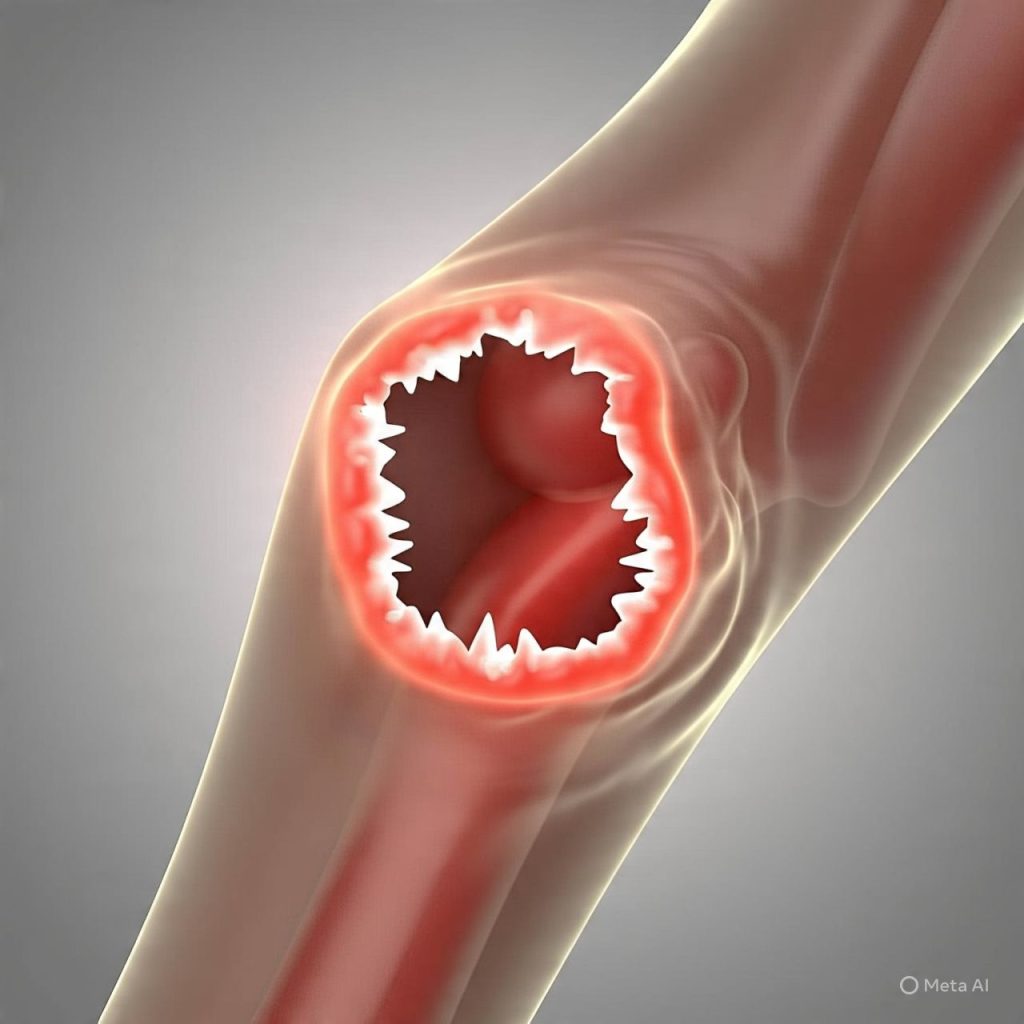
What Are Ulcers?
Ulcers are open sores or lesions that develop on the skin or mucous membranes. When we speak of ulcers in a medical context, we often refer to peptic ulcers, which occur in the lining of the stomach, small intestine, or esophagus. However, ulcers can also appear in other forms such as:
- Mouth ulcers
- Genital ulcers
- Venous skin ulcers
- Pressure sores (bedsores)
This article primarily focuses on peptic ulcers, including gastric ulcers (in the stomach) and duodenal ulcers (in the upper part of the small intestine).
Types of Peptic Ulcers
Understanding the different types of peptic ulcers is essential for targeted treatment and symptom management:
1. Gastric Ulcers
These occur on the stomach’s inner lining and are usually aggravated by eating.
2. Duodenal Ulcers
Located in the upper portion of the small intestine, duodenal ulcers typically cause pain when the stomach is empty and may improve after eating.
3. Esophageal Ulcers
These form in the esophagus and are often linked to acid reflux or GERD (gastroesophageal reflux disease).
Common Symptoms of Ulcers
Ulcer symptoms can vary depending on the location and severity of the sore. Common signs include:
1. Abdominal Pain
Often described as a burning or gnawing sensation, especially between meals or at night.
2. Bloating
Feeling full or bloated is common, particularly after meals.
3. Heartburn
A burning feeling in the chest due to acid reflux may be mistaken for or related to an ulcer.
4. Nausea and Vomiting
Some people experience persistent nausea, with or without vomiting.
5. Dark or Tarry Stools
Bleeding ulcers may cause black, tar-like stools, a sign of internal bleeding.
6. Weight Loss
Unexplained weight loss could result from reduced appetite or food avoidance due to pain.
7. Loss of Appetite
Pain or discomfort during eating can cause a reduced interest in food.
If you experience these symptoms regularly, it’s crucial to consult a healthcare professional for proper evaluation and treatment.
What Causes Ulcers?
Multiple factors contribute to the development of ulcers, ranging from infections to lifestyle habits:
1. Helicobacter pylori (H. pylori) Infection
This bacterium is the most common cause of peptic ulcers. It damages the protective lining of the stomach and small intestine.
2. Nonsteroidal Anti-Inflammatory Drugs (NSAIDs)
Regular use of NSAIDs like aspirin, ibuprofen, and naproxen can irritate or inflame the stomach lining, leading to ulcer formation.
3. Excessive Alcohol Consumption
Alcohol can erode the stomach lining and increase acid production.
4. Smoking
Tobacco use impairs the stomach’s ability to protect itself from acid, slowing the healing process.
5. Stress and Diet
While stress and spicy foods don’t directly cause ulcers, they can exacerbate existing conditions or delay healing.
6. Zollinger-Ellison Syndrome
A rare condition where tumors cause the stomach to produce too much acid, resulting in peptic ulcers.
How Are Ulcers Diagnosed?
Diagnosing ulcers typically involves a combination of medical history, physical examination, and diagnostic testing:
1. Medical History and Symptoms
Your doctor will begin by asking about your symptoms, lifestyle habits, medications, and family history.
2. Endoscopy (EGD)
A thin, flexible tube with a camera is inserted through the mouth to view the stomach and duodenum directly. If an ulcer is found, a biopsy may be performed.
3. H. pylori Testing
Several methods are available:
- Urea breath test
- Stool antigen test
- Blood test
- Tissue biopsy
4. Upper GI Series (Barium Swallow)
This involves swallowing a barium solution, which highlights the upper digestive tract on X-rays.
Early diagnosis helps prevent complications such as bleeding, perforation, and gastric cancer.
Treatment Options for Ulcers
Ulcer treatment aims to relieve pain, heal the sore, prevent recurrence, and address the underlying cause.
1. Medications
a. Proton Pump Inhibitors (PPIs)
These reduce stomach acid and promote healing.
- Omeprazole
- Esomeprazole
- Lansoprazole
b. H2-Receptor Antagonists
These reduce acid production.
- Ranitidine
- Famotidine
c. Antibiotics
If H. pylori is the culprit, a combination of antibiotics like amoxicillin, clarithromycin, or metronidazole may be prescribed.
d. Antacids and Alginates
These provide quick, temporary relief by neutralizing stomach acid.
e. Cytoprotective Agents
Medications like sucralfate or misoprostol protect the stomach lining.
2. Lifestyle Changes
- Avoid NSAIDs: Use alternative pain relievers such as acetaminophen.
- Quit Smoking: Enhances healing and reduces recurrence.
- Limit Alcohol: Reduces stomach lining irritation.
- Eat Balanced Meals: Avoid skipping meals, overeating, or eating irritating foods.
3. Surgery (Rare Cases)
In cases where ulcers don’t heal or complications arise, surgical intervention may be necessary. Options include:
- Removing the ulcer
- Tying off bleeding vessels
- Vagotomy (cutting nerves that stimulate acid production)
Living With Ulcers
Managing ulcers is not just about treatment—it’s also about adopting sustainable lifestyle habits and monitoring your health.
1. Diet and Nutrition
Foods to Eat:
- High-fiber foods like oats and vegetables
- Probiotics (yogurt, kefir)
- Lean proteins
- Whole grains
Foods to Avoid:
- Spicy foods
- Caffeinated drinks
- Carbonated beverages
- Acidic fruits
- Fried or fatty foods
2. Meal Habits
- Eat smaller, frequent meals
- Avoid eating late at night
- Chew food thoroughly
3. Stress Management
While not a direct cause, stress can worsen ulcer symptoms. Techniques include:
- Meditation and mindfulness
- Regular exercise
- Deep breathing exercises
- Cognitive-behavioral therapy (CBT)
4. Regular Checkups
Monitoring your condition with your healthcare provider is essential. Follow-up appointments ensure the ulcer is healing and not progressing to a more serious issue.
5. Watch for Warning Signs
Seek immediate medical attention if you experience:
- Vomiting blood
- Black or bloody stools
- Sudden, sharp abdominal pain
- Difficulty breathing
These may indicate a bleeding or perforated ulcer, which is a medical emergency.
Complications of Untreated Ulcers
Neglecting ulcer treatment can lead to severe complications:
1. Internal Bleeding
This can result in anemia or severe blood loss, requiring hospitalization.
2. Perforation
An untreated ulcer may create a hole in the stomach or intestinal wall, leading to infection.
3. Gastric Outlet Obstruction
Swelling or scarring from ulcers can block food from passing through the digestive tract.
4. Increased Risk of Stomach Cancer
Especially in cases involving chronic H. pylori infection.
Ulcers in Special Populations
1. Children
Though rare, children can develop ulcers due to stress, infections, or NSAIDs. Symptoms may be vague, such as nausea or stomach pain.
2. Older Adults
Elderly people may not feel the classic ulcer pain and are at higher risk for complications.
3. Pregnant Women
Hormonal changes and NSAID use can trigger ulcers. Always consult a doctor before taking medications during pregnancy.
Preventing Ulcers
While not all ulcers can be prevented, you can significantly reduce your risk through simple measures:
1. Limit NSAID Use
Only use under medical supervision and take with food.
2. Test for H. pylori
If you have recurring stomach issues, ask your doctor for H. pylori testing.
3. Adopt a Healthy Diet
Include anti-inflammatory and gut-friendly foods in your meals.
4. Quit Smoking
Tobacco weakens the stomach lining and hinders healing.
5. Practice Good Hygiene
Since H. pylori can spread via contaminated food or water, washing hands and eating safely prepared food can help.
Myths About Ulcers
Myth 1: Spicy foods cause ulcers.
Fact: They can irritate existing ulcers but don’t cause them.
Myth 2: Ulcers only occur in stressed people.
Fact: Stress is a factor but not the primary cause.
Myth 3: Milk helps ulcers.
Fact: It may temporarily relieve pain but also stimulates acid production.
Conclusion
Ulcers are more than just stomach pain—they are a complex medical condition that requires proper diagnosis, effective treatment, and ongoing lifestyle management. With modern medicine and increased awareness, most ulcers can be treated successfully and even prevented.
If you’re experiencing persistent digestive discomfort, don’t ignore the signs. Early intervention can save you from long-term complications and help you lead a healthy, pain-free life.
Stay informed, stay healthy.
FAQs about Ulcers
What is an ulcer?
An ulcer is an open sore that can form on the lining of your stomach, small intestine, or esophagus, often due to excessive stomach acid or infection.
What are the main types of ulcers?
The most common types are peptic ulcers, including gastric ulcers (stomach), duodenal ulcers (small intestine), and esophageal ulcers (esophagus).
What causes stomach ulcers?
The main causes include Helicobacter pylori infection, long-term use of NSAIDs (like ibuprofen), excess stomach acid, and stress.
What are the symptoms of a peptic ulcer?
Common symptoms include burning stomach pain, bloating, nausea, loss of appetite, and in severe cases, vomiting blood or black stools.
How are ulcers diagnosed?
Doctors use tests like endoscopy, barium X-rays, and H. pylori testing (breath, blood, or stool tests) to diagnose ulcers.
Can stress cause ulcers?
While stress alone doesn’t directly cause ulcers, it can worsen symptoms and delay healing by increasing stomach acid production.
Are ulcers contagious?
Ulcers caused by H. pylori may be mildly contagious through saliva, but casual contact rarely spreads it. Proper hygiene reduces risk.
What foods should I avoid if I have an ulcer?
Avoid spicy foods, acidic foods, caffeine, alcohol, carbonated drinks, and anything that irritates your stomach lining.
What is the best treatment for ulcers?
Ulcers are typically treated with antibiotics (for H. pylori), proton pump inhibitors (PPIs), H2 blockers, and lifestyle changes.
Can ulcers heal on their own?
Some minor ulcers may heal on their own, but most require medical treatment to prevent complications like bleeding or perforation.
How long does it take for an ulcer to heal?
With proper treatment, most ulcers heal within 4 to 8 weeks. Healing time depends on the severity and cause of the ulcer.
Can you live a normal life with ulcers?
Yes, with proper medication, a healthy diet, and stress management, most people with ulcers can live normal, active lives.
Are ulcers dangerous if left untreated?
Yes, untreated ulcers can lead to serious issues such as internal bleeding, perforation, or blockage in the digestive tract.
Is surgery ever required for ulcers?
Surgery is rarely needed today but may be necessary in severe cases with complications like bleeding, perforation, or obstruction.
Can ulcers come back after treatment?
Yes, ulcers can recur if H. pylori is not completely eradicated, NSAID use continues, or dietary/lifestyle habits are not improved.
For More Details Keep Visiting our Website or Facebook Page.