
Hair Loss: Understanding the Causes, Symptoms, Diagnosis, Treatments, and Living With It
Hair loss, medically known as alopecia, is a common concern affecting millions of people worldwide. Although it is often perceived as a cosmetic issue, hair loss can have profound emotional and psychological consequences. It can impact a person’s self-image, confidence, and overall quality of life. Fortunately, advancements in medical science have led to better understanding, diagnosis, and treatment options.
In this comprehensive guide, we explore everything you need to know about hair loss—including its symptoms, causes, diagnosis, treatments, and tips for living with this condition.
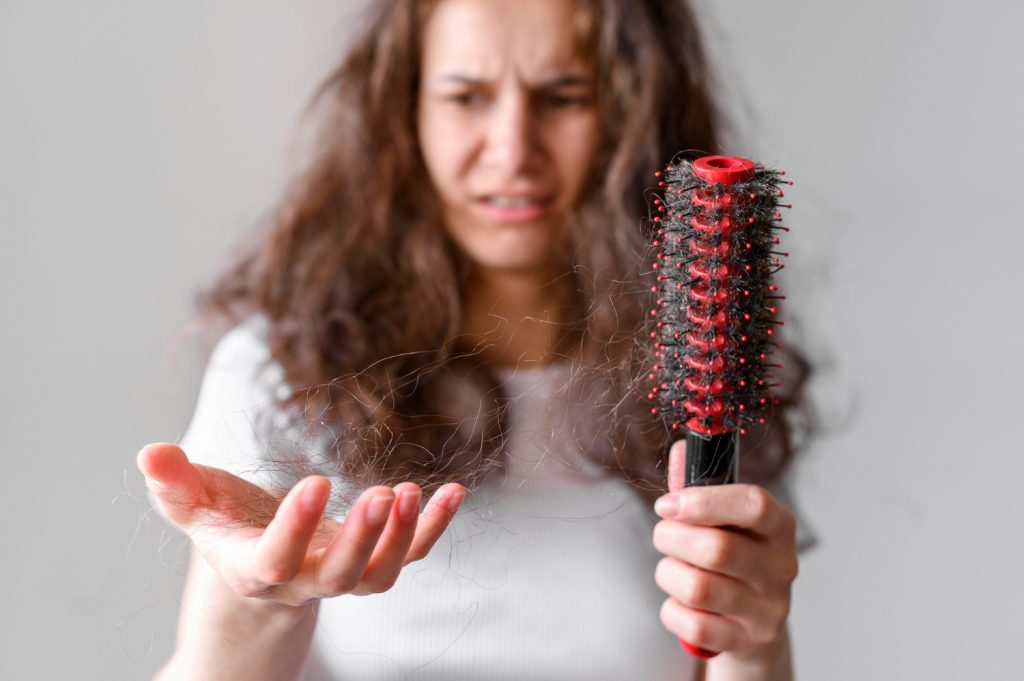
What is Hair Loss?
Hair-loss refers to a reduction in hair density or the complete loss of hair from the scalp or other parts of the body. It can be temporary or permanent, gradual or sudden, and affect just the scalp or the entire body. While hair-loss is a natural part of aging for many people, it can also be a symptom of an underlying health condition.
Symptoms of Hair Loss
Hair-loss can manifest in various ways depending on the cause. Common symptoms include:
- Gradual thinning on the scalp: The most common form of hair-loss, typically seen with aging, is androgenetic alopecia or pattern baldness.
- Patchy or circular bald spots: Alopecia areata may result in smooth, coin-sized bald patches on the scalp or other body parts.
- Sudden hair loosening: Emotional or physical shock may cause hair to loosen and fall out during combing or washing.
- Full-body hair-loss: Medical treatments like chemotherapy can lead to hair-loss across the entire body.
- Scaly patches on the scalp: This could indicate a fungal infection such as ringworm.
Causes of Hair Loss
Hair-loss can be influenced by a variety of factors. Some of the most common include:
1. Genetics
Genetic predisposition is the most frequent cause, known as hereditary hair-loss or androgenetic alopecia. It affects both men and women and typically progresses with age.
2. Hormonal Changes
Conditions like pregnancy, childbirth, menopause, and thyroid problems can lead to hormonal imbalances that cause hair-loss.
3. Medical Conditions
- Alopecia areata (an autoimmune disorder)
- Scalp infections (e.g., ringworm)
- Trichotillomania (hair-pulling disorder)
4. Medications and Treatments
Hair-loss is a common side effect of:
- Chemotherapy
- Radiation therapy
- Blood pressure drugs
- Antidepressants
- Arthritis medications
5. Stress
Severe emotional or physical stress can trigger telogen effluvium, a condition in which large numbers of hair follicles enter a resting phase and fall out.
6. Nutritional Deficiencies
Lack of essential nutrients such as iron, protein, and vitamins (especially D and B12) can result in hair-loss.
7. Hairstyling and Treatments
Excessive hairstyling, tight hairstyles (like braids), and use of harsh chemicals can lead to traction alopecia.
Types of Hair Loss
Understanding the type of hair-loss is crucial for effective treatment. Here are some major types:
1. Androgenetic Alopecia (Pattern Baldness)
- Most common type.
- Affects men and women differently.
- Men usually experience receding hairline and bald spots.
- Women typically notice thinning hair along the crown.
2. Alopecia Areata
- Autoimmune disease.
- Hair falls out in small, round patches.
- Can affect the scalp, face, and other areas.
3. Telogen Effluvium
- Temporary condition triggered by stress, trauma, or illness.
- Large amounts of hair enter the shedding phase.
4. Traction Alopecia
- Caused by tension from hairstyles that pull the hair.
5. Cicatricial (Scarring) Alopecia
- A rare group of disorders that destroy hair follicles and replace them with scar tissue.
- Results in permanent hair-loss.
Diagnosis of Hair Loss
Proper diagnosis is essential to determine the cause and appropriate treatment. A dermatologist or trichologist may perform:
1. Medical History and Physical Examination
Questions may include:
- When did hair-loss begin?
- Is there a family history?
- Are there associated symptoms like itching or redness?
2. Pull Test
The doctor gently pulls on several hairs to see how many come out, helping to determine the shedding stage.
3. Scalp Biopsy
A small piece of scalp may be removed and examined under a microscope.
4. Blood Tests
To check for underlying medical conditions like thyroid disease or nutritional deficiencies.
5. Light Microscopy
Used to examine hairs for disorders of the hair shaft.
Treatments for Hair Loss
The choice of treatment depends on the type and cause of hair-loss. Options include:
1. Medications
a. Minoxidil (Rogaine)
- Over-the-counter topical treatment.
- Used for pattern baldness and alopecia areata.
- Results may take months.
b. Finasteride (Propecia)
- Prescription oral medication.
- Used mainly in men.
- Blocks the conversion of testosterone to DHT (a key contributor to male pattern baldness).
2. Hair Transplant Surgery
- Hair follicles are moved from one part of the scalp to another.
- Techniques include FUT (Follicular Unit Transplantation) and FUE (Follicular Unit Extraction).
- Best for permanent hair-loss.
3. Laser Therapy
- Low-level laser devices may help stimulate hair growth.
- FDA-approved for certain types of alopecia.
4. Platelet-Rich Plasma (PRP)
- A patient’s blood is processed to concentrate the platelets.
- The PRP is injected into the scalp to promote hair growth.
Alternative and Natural Therapies
While not all-natural remedies are backed by strong scientific evidence, many individuals explore them as complementary treatments.
1. Essential Oils
- Rosemary, peppermint, and lavender oils may stimulate hair growth.
- Should be diluted before application.
2. Herbal Supplements
- Saw palmetto is often marketed for hair-loss.
- Consult a healthcare provider before use.
3. Scalp Massage
- Improves blood flow to the hair follicles.
- May promote growth over time.
4. Dietary Adjustments
- Ensure intake of protein, iron, zinc, and biotin.
- A balanced diet can support hair health.
Living With Hair Loss
Hair-loss can significantly affect emotional well-being. Here are strategies for coping and living a fulfilling life:
1. Emotional Support
- Join support groups or online forums.
- Talk to a therapist if experiencing anxiety or depression.
2. Cosmetic Solutions
- Wigs, hairpieces, and scarves offer aesthetic options.
- Micropigmentation (scalp tattooing) can mimic the look of hair.
3. Skincare for the Scalp
- Keep the scalp clean and protected from sun damage.
- Use gentle shampoos and avoid over-washing.
4. Confidence Building
- Focus on personal strengths beyond physical appearance.
- Style changes (e.g., shaving head, bold accessories) can foster empowerment.
5. Education
- Understanding the condition helps manage expectations.
- Stay updated with new treatments and clinical trials.
Conclusion
Hair-loss is a multifaceted condition that can affect anyone regardless of age, gender, or lifestyle. Understanding its causes, recognizing symptoms early, and pursuing appropriate treatment can significantly improve outcomes. While some forms of hair loss are permanent, many are treatable or manageable.
Living with hair loss requires a proactive and compassionate approach. Whether through medical treatments, lifestyle changes, or support systems, individuals can regain confidence and maintain a high quality of life.
By raising awareness and promoting evidence-based solutions, we can break the stigma around hair loss and encourage open discussions that empower individuals on their journey to self-acceptance and wellness.
FAQs about Hair Loss
What causes hair loss in men and women?
Hair loss can be caused by genetics, hormonal changes, stress, poor diet, medical conditions like thyroid disorders, or certain medications. Men typically experience male-pattern baldness, while women may notice thinning hair due to hormonal imbalances or menopause.
Is hair loss permanent?
It depends on the cause. Genetic hair loss like male- or female-pattern baldness is usually permanent, while hair loss due to stress, illness, or medications can be temporary and reversible with treatment.
Can stress really cause hair loss?
Yes, high stress levels can trigger conditions like telogen effluvium, where hair follicles prematurely enter the shedding phase. This usually occurs a few months after a stressful event.
How do I know if my hair loss is serious?
If you notice rapid hair loss, patchy bald spots, or scalp irritation, it’s best to consult a dermatologist. Gradual thinning over years may be a sign of hereditary hair loss.
What are the first signs of hair loss?
Early signs include excessive hair shedding, thinning at the crown, receding hairline, or a widening part in women. Noticing more hair in your brush or shower drain can be a red flag.
Can diet affect hair loss?
Absolutely. Nutrient deficiencies—especially in iron, vitamin D, biotin, and protein—can contribute to hair thinning and loss. A balanced, nutrient-rich diet helps support hair growth.
What medical conditions are linked to hair loss?
Hair loss can be associated with thyroid problems, polycystic ovary syndrome (PCOS), lupus, alopecia areata, anemia, and scalp infections. Blood tests can help identify underlying conditions.
Are there treatments for hair loss that really work?
Yes. FDA-approved treatments like minoxidil (Rogaine) and finasteride (Propecia) can slow hair loss and promote regrowth. Other options include laser therapy, PRP injections, and hair transplant surgery.
Is hair loss genetic?
Yes. Androgenetic alopecia (male- or female-pattern baldness) is hereditary. If you have a family history of hair loss, you’re more likely to experience it, too.
Can hair grow back after thinning?
Hair can regrow if the cause is temporary, such as nutritional deficiency or stress. However, regrowth is less likely in cases of scarring alopecia or advanced genetic hair loss without treatment.
Do shampoos or oils help stop hair loss?
While certain shampoos and oils can improve scalp health and reduce breakage, they may not be effective against hereditary hair loss. Look for products with ingredients like biotin, caffeine, or ketoconazole.
Can hair loss be a sign of cancer or other serious illness?
While hair loss is rarely a direct sign of cancer, it can result from cancer treatments like chemotherapy. Sudden or unusual hair loss can be linked to autoimmune diseases or chronic illnesses and should be evaluated by a doctor.
How long does it take to see results from hair loss treatments?
Most treatments take time. You may start seeing noticeable results after 3–6 months of consistent use. Hair growth cycles are slow, so patience is key.
What are the best hairstyles for thinning hair?
Layered cuts, pixie cuts, and hairstyles with volume can make thinning hair look fuller. Avoid tight hairstyles like ponytails or braids that can stress the hair and worsen the condition.
How can I emotionally cope with hair loss?
Hair loss can be distressing, but you’re not alone. Support groups, counseling, wigs or hairpieces, and open communication can help boost self-esteem and emotional well-being.
For More Details Keep Visiting our Website or Facebook Page.