
Understanding Hearing Loss: Causes, Symptoms, Diagnosis, Treatments, and Living with It
Hearing is one of our most vital senses. It allows us to communicate, enjoy music, be aware of our surroundings, and connect with the world. But when our hearing begins to fade, it can affect every part of our lives—from relationships and safety to work performance and mental well-being. Hearing loss is more common than many realize, and it’s not just a condition that affects older adults. People of all ages can experience hearing loss for various reasons.
In this comprehensive guide, we’ll explore the types, symptoms, causes, diagnosis methods, treatments, and how individuals can live fulfilling lives despite hearing challenges.
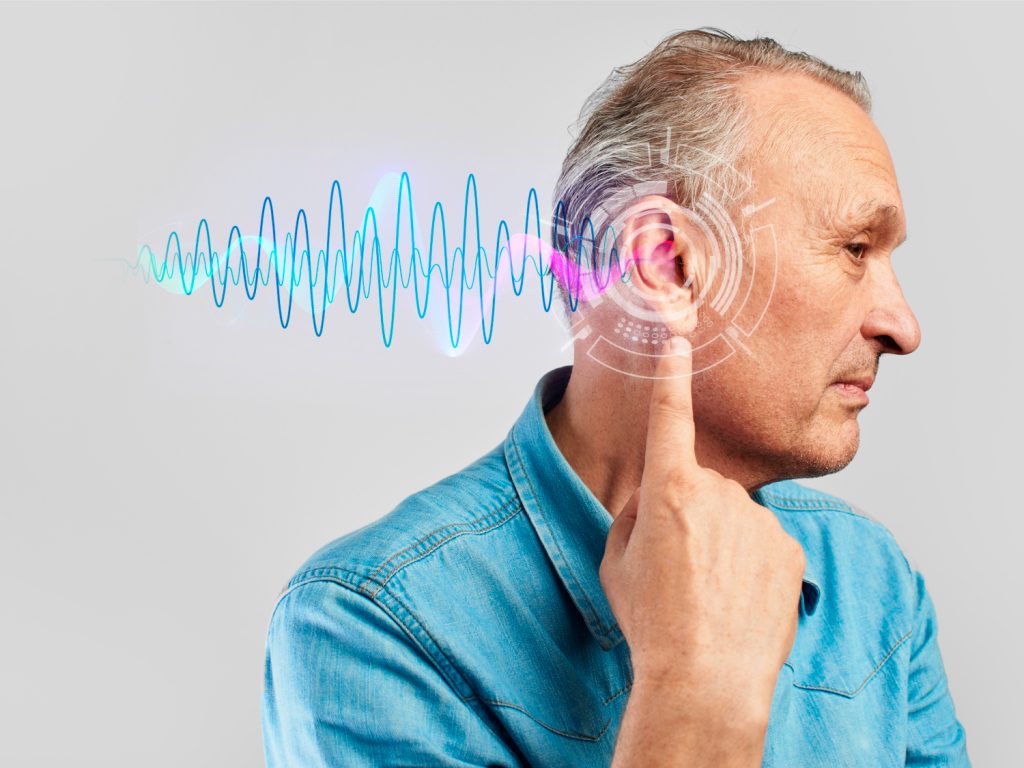
1. What Is Hearing Loss?
Hearing-loss is the partial or total inability to hear sounds in one or both ears. It can develop suddenly or gradually, and it may be temporary or permanent. Hearing-loss is categorized by its severity (mild, moderate, severe, or profound) and the part of the ear affected.
According to the World Health Organization (WHO), over 430 million people globally require rehabilitation for disabling hearing-loss, making it a significant public health concern.
2. Types of Hearing Loss
There are three main types of hearing-loss, each with different causes and treatment approaches:
A. Conductive Hearing Loss
This type occurs when sound is not efficiently conducted through the outer ear canal to the eardrum and tiny bones in the middle ear. Causes include:
- Ear infections
- Fluid in the middle ear
- Blocked ear canal (wax buildup)
- Perforated eardrum
- Malformation of ear structures
Treatment: Often treatable with medication, surgery, or earwax removal.
B. Sensorineural Hearing Loss
Sensorineural hearing-loss occurs when there is damage to the inner ear (cochlea) or the auditory nerve. It is the most common form of permanent hearing-loss.
Common causes:
- Aging (presbycusis)
- Noise exposure
- Ototoxic medications
- Head trauma
- Genetic disorders
Treatment: Usually managed with hearing aids or cochlear implants.
C. Mixed Hearing Loss
This is a combination of both conductive and sensorineural hearing-loss. Both the inner and outer/middle ear are affected.
3. Symptoms of Hearing Loss
Recognizing the symptoms of hearing-loss early can lead to more effective treatment and better quality of life.
Common symptoms include:
- Muffled or distorted sounds
- Difficulty understanding conversations, especially in noisy environments
- Frequently asking people to repeat themselves
- Increasing the volume of the TV or radio
- Avoiding social interactions
- Tinnitus (ringing or buzzing in the ears)
- Trouble hearing high-pitched sounds like birds chirping or doorbells
In children, hearing-loss may lead to delayed speech and language development, academic difficulties, and inattentiveness.
4. Causes of Hearing Loss
Hearing-loss can stem from a variety of factors, ranging from environmental influences to medical conditions.
A. Age-Related Hearing Loss (Presbycusis)
Gradual hearing-loss due to aging affects both ears and is commonly seen in people over 60. It primarily impacts the ability to hear high-frequency sounds.
B. Noise-Induced Hearing Loss
Exposure to loud noise, either suddenly or over time, can damage the hair cells in the cochlea. Common sources include:
- Loud music
- Industrial machinery
- Firearms
- Motorcycles or heavy vehicles
C. Ear Infections and Diseases
Infections like otitis media (middle ear infection) can cause temporary or permanent damage. Autoimmune inner ear disease and Ménière’s disease are other contributors.
D. Congenital Causes
Some babies are born with hearing-loss due to genetic conditions, premature birth, or maternal infections during pregnancy.
E. Trauma or Injury
Head injuries or sudden changes in pressure (barotrauma) can impair hearing ability.
F. Medications and Chemicals
Certain drugs are ototoxic, meaning they damage the inner ear. Examples include:
- Chemotherapy drugs (e.g., cisplatin)
- Loop diuretics
- High-dose aspirin
- Some antibiotics (e.g., gentamicin)
5. Diagnosis and Hearing Tests
Early detection is essential for preventing further hearing decline and for planning effective treatment.
A. Medical History and Physical Exam
Your doctor will assess symptoms, noise exposure history, medication use, and other health conditions.
B. Hearing Tests
- Pure Tone Audiometry: Measures the softest sounds you can hear at various pitches.
- Speech Audiometry: Evaluates how well you can hear and repeat words.
- Tympanometry: Tests the movement of the eardrum and middle ear function.
- Otoacoustic Emissions (OAE): Measures sound waves produced in the inner ear.
- Auditory Brainstem Response (ABR): Examines the nerve pathways from the ear to the brain.
An audiologist or ENT specialist typically performs these evaluations.
6. Treatment Options for Hearing Loss
Treatment depends on the type, severity, and cause of hearing-loss.
A. Hearing Aids
Hearing aids amplify sound and are most helpful for sensorineural hearing-loss. Modern devices are small, discrete, and feature-rich (Bluetooth, noise reduction, etc.).
B. Cochlear Implants
For people with profound hearing-loss who gain little benefit from hearing aids, cochlear implants can restore hearing by directly stimulating the auditory nerve.
C. Bone-Anchored Hearing Systems
These are used for conductive or mixed hearing-loss and bypass the ear canal to transmit sound through the bone.
D. Surgery
Surgical options may include:
- Repairing a perforated eardrum
- Inserting tubes for fluid drainage
- Removing growths (e.g., cholesteatoma)
E. Medications
Antibiotics or corticosteroids may treat infections or inflammation affecting the ear.
F. Assistive Listening Devices
These include telephone amplifiers, TV listening systems, and alerting devices (vibrating alarms or flashing doorbells).
7. Coping Strategies and Living with Hearing Loss
Living with hearing loss can be challenging, but many people lead full, connected lives with the right tools and mindset.
A. Communication Strategies
- Face the person you’re talking to
- Reduce background noise during conversations
- Ask people to speak clearly, not loudly
- Repeat back what you heard to confirm understanding
- Learn lip-reading or sign language if needed
B. Support and Counseling
Audiologists and hearing therapists provide counseling to cope with the emotional effects of hearing loss. Support groups can also offer community and advice.
C. Workplace Accommodations
Under disability rights laws in many countries, employers are required to make reasonable accommodations. These may include:
- Captioned telephones
- Speech-to-text apps
- Visual alert systems
D. Education and Advocacy
Promoting awareness, advocating for accessibility, and educating others about your hearing needs can significantly improve daily interactions.
8. Preventing Hearing Loss
Prevention is always better than cure. Take steps to protect your hearing throughout your life.
A. Use Ear Protection
Wear earplugs or noise-canceling earmuffs when exposed to loud environments like concerts, construction sites, or while operating loud machinery.
B. Limit Headphone Volume
Keep volume at 60% or lower and limit listening time to under 60 minutes at a stretch.
C. Regular Hearing Checks
Have your hearing tested annually, especially if you’re in a high-risk group (e.g., over 50, work in a noisy environment).
D. Avoid Ototoxic Substances
Be aware of medications that can harm hearing and discuss alternatives with your doctor.
9. Final Thoughts
Hearing loss is a deeply personal and often invisible challenge, but it doesn’t have to mean the end of vibrant living. With advancing technology, early diagnosis, and supportive care, people with hearing loss can maintain rich, fulfilling lives.
Whether you’re experiencing hearing changes yourself or supporting a loved one, understanding the condition empowers you to make informed, compassionate choices. Don’t ignore the early signs—addressing hearing loss proactively can enhance your quality of life for years to come.
FAQs about Hearing Loss
What are the early signs of hearing loss?
Early signs include difficulty understanding speech, asking people to repeat themselves, turning up the volume on devices, and struggling to hear in noisy environments.
Can hearing loss be reversed?
In some cases, such as hearing loss caused by earwax buildup or infections, it can be reversed. However, most sensorineural hearing loss is permanent but manageable with treatment like hearing aids.
Is hearing loss a normal part of aging?
Yes, age-related hearing loss (presbycusis) is common in older adults. It typically affects both ears gradually and can impact the ability to hear high-pitched sounds.
How can I prevent hearing loss?
Use ear protection in loud environments, lower the volume on headphones, avoid prolonged noise exposure, and get regular hearing check-ups, especially after age 50.
What causes sudden hearing loss?
Sudden hearing loss can be caused by viral infections, trauma, circulatory issues, or autoimmune diseases. It’s a medical emergency and should be treated immediately.
Can children experience hearing loss?
Yes, children can be born with hearing loss or develop it due to infections, genetic conditions, or exposure to loud noise. Early intervention is crucial for speech and learning development.
Are hearing aids covered by insurance?
It depends on your insurance plan. Some private health insurance policies or government programs may partially or fully cover hearing aids. Check with your provider for details.
Do hearing aids restore normal hearing?
Hearing aids don’t cure hearing loss but improve hearing by amplifying sounds. They help users hear better in various environments but may not restore perfect hearing.
For More Details Keep Visiting our Website or Facebook Page.