
Chickenpox (Varicella): Symptoms, Causes, Diagnosis, Treatments, and Living With the Condition
Chickenpox, medically known as varicella, is a highly contagious viral infection that primarily affects children but can also occur in adults. Characterized by an itchy skin rash with red spots and blisters, chickenpox is often mild in children but may lead to serious complications in older individuals or those with weakened immune systems. With the advent of the varicella vaccine, cases have significantly declined, but outbreaks still happen, especially in unvaccinated populations.
This comprehensive guide explores everything you need to know about chickenpox, including its symptoms, causes, diagnosis, treatments, and strategies for living with the condition.
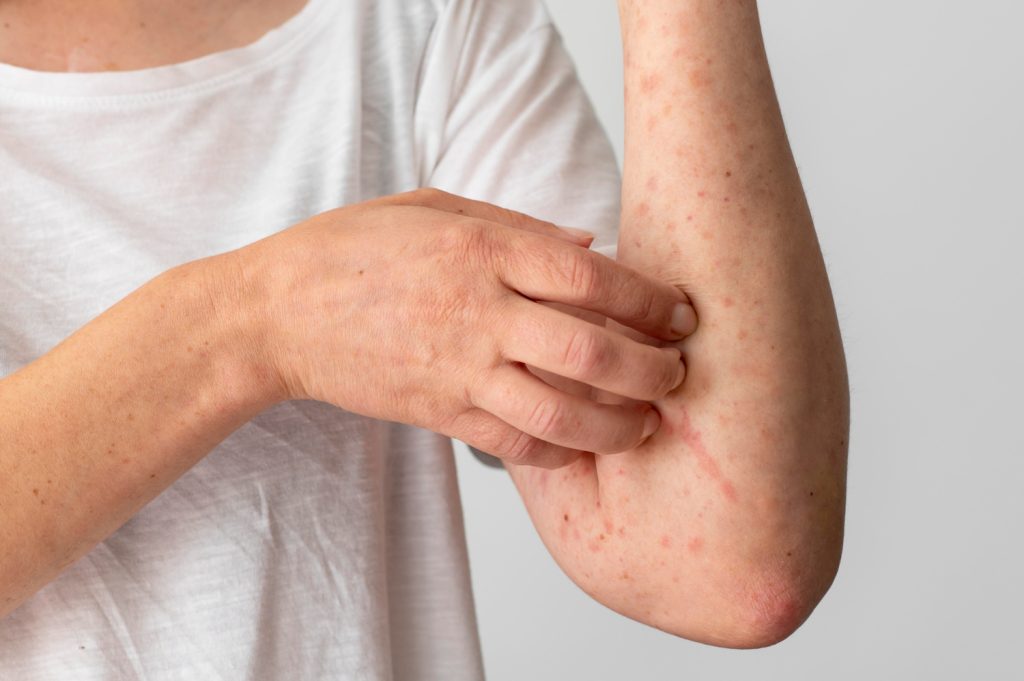
What Is Chickenpox?
Chickenpox is a contagious disease caused by the varicella-zoster virus (VZV), a member of the herpesvirus family. Once a person contracts chickenpox, the virus remains dormant in the body and may reactivate later in life, causing shingles (herpes zoster).
Before the varicella vaccine became widely available in the mid-1990s, chickenpox was a common childhood illness. Today, vaccination has dramatically reduced the number of cases, hospitalizations, and deaths caused by the disease.
Symptoms of Chickenpox
The hallmark symptom of chickenpox is a red, itchy rash that turns into fluid-filled blisters, which eventually scab over. However, the rash is only one part of the broader clinical picture.
Early Symptoms (1-2 Days Before Rash)
Before the rash appears, individuals may experience flu-like symptoms, including:
- Fever
- Fatigue and general malaise
- Headache
- Loss of appetite
- Sore throat
- Body aches
These initial symptoms can resemble those of other viral illnesses, making early diagnosis challenging.
Rash Progression
The rash usually appears 1-2 days after initial symptoms, starting on the chest, back, or face, and then spreading across the body, including the scalp, mouth, arms, and legs.
The rash evolves in three distinct stages:
- Red spots (papules) – Small, raised bumps that develop over a few hours.
- Blisters (vesicles) – The bumps turn into fluid-filled blisters.
- Scabs – The blisters burst and crust over.
New spots may continue to appear for several days, meaning all three stages may be visible simultaneously.
Additional Symptoms
- Severe itching
- Irritability
- Dehydration (especially in children who have mouth sores)
- High fever (in some cases)
Most people recover within 7–10 days, although fatigue and mild symptoms may linger for a couple of weeks.
Causes of Chickenpox
Chickenpox is caused by the varicella-zoster virus, which spreads easily from person to person through:
- Direct contact with the rash or fluid from blisters
- Airborne transmission through respiratory droplets when an infected person coughs, sneezes, or talks
- Indirect contact with contaminated surfaces (though less common)
Who Is at Risk?
While anyone can get chickenpox, the following groups are at higher risk:
- Unvaccinated children
- Pregnant women
- Immunocompromised individuals (e.g., cancer patients, organ transplant recipients)
- Newborns born to mothers who never had chickenpox or the vaccine
Complications of Chickenpox
For most healthy individuals, chickenpox is mild. However, in certain populations, it can lead to serious complications, such as:
- Bacterial infections of the skin
- Pneumonia
- Encephalitis (brain inflammation)
- Reye’s syndrome (especially in children who take aspirin)
- Sepsis
- Dehydration
- Scarring
In adults, chickenpox tends to be more severe and poses a higher risk of complications.
How Chickenpox Is Diagnosed
Chickenpox is typically diagnosed based on clinical presentation. A healthcare provider may identify the disease by evaluating the rash’s appearance and progression. However, in some cases, additional tests may be performed:
Diagnostic Tests
- Polymerase Chain Reaction (PCR): Detects VZV DNA in skin lesions or blood.
- Direct Fluorescent Antibody (DFA): Identifies viral antigens.
- Blood Tests: Used to detect varicella antibodies (IgM and IgG) to confirm recent or past infection.
- Tzanck Smear: Microscopic examination of cells from a skin lesion, though less commonly used today.
Lab confirmation is often necessary in atypical cases or when the rash is not characteristic.
Chickenpox Treatment Options
There is no cure for chickenpox. Treatment focuses on relieving symptoms and preventing complications.
Home Care and Symptom Relief
Most cases of chickenpox can be managed at home with the following supportive treatments:
- Antihistamines (e.g., diphenhydramine) to reduce itching
- Calamine lotion to soothe skin irritation
- Cool baths with baking soda, uncooked oatmeal, or colloidal oatmeal
- Acetaminophen for fever and pain (Avoid aspirin due to the risk of Reye’s syndrome in children)
- Fluids to prevent dehydration
- Loose, soft clothing to avoid further skin irritation
- Nail trimming to prevent scratching and secondary infection
Antiviral Medications
In certain cases, especially among adults, immunocompromised individuals, or those at risk for complications, doctors may prescribe:
- Acyclovir
- Valacyclovir
- Famciclovir
These medications are most effective when started within 24–48 hours of rash onset.
Hospitalization
Severe cases, especially those involving complications, may require hospitalization for:
- Intravenous antivirals
- Fluid and electrolyte management
- Respiratory support
- Treatment of secondary infections
Chickenpox in Special Populations
Chickenpox During Pregnancy
Contracting chickenpox during pregnancy can be dangerous. Risks include:
- Congenital varicella syndrome: Causes birth defects if infection occurs during the first 20 weeks.
- Neonatal varicella: Can be life-threatening if the mother is infected shortly before delivery.
Immunocompromised Individuals
Those with weakened immune systems may experience:
- Widespread, severe rash
- Prolonged illness
- High risk of pneumonia and encephalitis
They often require prompt antiviral treatment and close medical supervision.
Prevention of Chickenpox
Vaccination
The most effective way to prevent chickenpox is through vaccination. The varicella vaccine is:
- Safe and effective
- Recommended in two doses:
- 1st dose: 12–15 months old
- 2nd dose: 4–6 years old
Post-Exposure Prophylaxis
People who are exposed to chickenpox and are at high risk may benefit from:
- Varicella vaccine (within 3–5 days of exposure)
- Varicella-zoster immune globulin (VZIG) for immunocompromised individuals
Other Preventive Measures
- Isolate infected individuals until all blisters have scabbed over
- Practice good hygiene and frequent handwashing
- Avoid contact with unvaccinated individuals
Living With Chickenpox
Managing Day-to-Day Symptoms
While chickenpox typically resolves on its own, managing daily discomfort is essential:
- Rest as much as possible.
- Stay hydrated by drinking water, herbal teas, or electrolyte-rich fluids.
- Avoid spicy, acidic, or salty foods if mouth sores are present.
- Use distraction techniques for children (books, movies) to keep them from scratching.
Preventing the Spread
Since chickenpox is highly contagious, follow these steps to avoid infecting others:
- Stay home from school or work until fully recovered.
- Use separate towels, utensils, and bedding.
- Wear loose-fitting clothing to avoid irritating the skin.
Emotional and Mental Health
Chickenpox can be distressing, particularly for children or adults with visible scarring. Supportive care includes:
- Reassurance from caregivers
- Talking about the temporary nature of symptoms
- Seeking support groups if dealing with long-term effects like scarring or shingles
Long-Term Outlook After Chickenpox
For most people, chickenpox is a one-time illness that results in lifelong immunity. However, because the virus remains in the body, it may reactivate years later as shingles (herpes zoster).
Shingles
- Typically occurs in older adults or those with weakened immunity.
- Causes a painful rash, often localized to one side of the body.
- Can be prevented with the shingles vaccine (recommended for adults over 50).
FAQs About Chickenpox
1. Can you get chickenpox twice?
While rare, it is possible to get chickenpox more than once, especially if the first infection was very mild.
2. Is chickenpox dangerous for adults?
Yes, adults are more likely to experience complications such as pneumonia or encephalitis.
3. Can you go outside with chickenpox?
It’s best to stay home until all the blisters have crusted over to avoid spreading the virus.
4. How long is chickenpox contagious?
From 1–2 days before the rash appears until all lesions have crusted over, typically 5–7 days after rash onset.
Conclusion
Chickenpox (varicella) may be considered a mild childhood illness by many, but it carries significant risks, especially for certain groups. With proper vaccination, the incidence and complications of chickenpox can be greatly reduced. For those who contract the illness, supportive care, good hygiene, and medical attention (when needed) are key to recovery.
Understanding the symptoms, causes, and treatment options is essential for managing chickenpox effectively. Whether you’re a parent, caregiver, or adult patient, staying informed helps reduce anxiety, prevent spread, and support a full recovery.
FAQs about Chickenpox
What is chickenpox (varicella)?
Chickenpox, also known as varicella, is a highly contagious viral infection caused by the varicella-zoster virus. It primarily affects children and causes an itchy skin rash with red spots and blisters.
What are the first signs of chickenpox
Early symptoms of chickenpox include fever, fatigue, loss of appetite, and headache. These are typically followed by the appearance of a red, itchy rash that turns into fluid-filled blisters.
How is chickenpox spread?
Chickenpox spreads through direct contact with the rash, saliva, or mucus of an infected person, or through the air when the person coughs or sneezes.
Is chickenpox dangerous for adults?
Yes, chickenpox can be more severe in adults than in children. Complications such as pneumonia, skin infections, and inflammation of the brain (encephalitis) are more likely in adults.
How long does chickenpox last?
Chickenpox usually lasts between 5 to 10 days. The rash typically goes through several stages: red spots, blisters, and then scabs before healing completely.
Can you get chickenpox more than once?
Most people get chickenpox only once. However, in rare cases, someone with a weakened immune system may get it again. The virus can reactivate later in life as shingles.
What should you do if you have chickenpox?
If you have chickenpox, rest, stay hydrated, and avoid scratching the blisters. Over-the-counter medications like acetaminophen can help with fever and discomfort. Avoid contact with others to prevent spreading the virus.
How is chickenpox diagnosed?
Doctors usually diagnose chickenpox based on the characteristic rash. In rare cases, laboratory tests or virus culture may be used for confirmation.
What treatments are available for chickenpox?
Treatment focuses on symptom relief, including antihistamines for itching and fever-reducing medicines. Antiviral drugs like acyclovir may be prescribed in severe cases or for high-risk individuals.
Is there a vaccine for chickenpox?
Yes, the varicella vaccine is safe and effective in preventing chickenpox. It is usually given in two doses during childhood and is also recommended for adults who have never had chickenpox.
For More Details Keep Visiting our Website or Facebook Page.