
Alcohol Poisoning: Signs, Causes, Complications, Risks, Diagnosis, and Treatment
Introduction
Alcohol consumption is deeply rooted in social customs worldwide. While moderate alcohol intake can be safe for some, excessive drinking poses a significant danger, leading to a life-threatening condition known as alcohol poisoning. This medical emergency requires immediate attention to prevent permanent damage or death.
In this comprehensive guide, we will explore the signs, causes, complications, risk factors, diagnostic procedures, treatments, and preventive measures for alcohol poisoning. This knowledge could save lives.
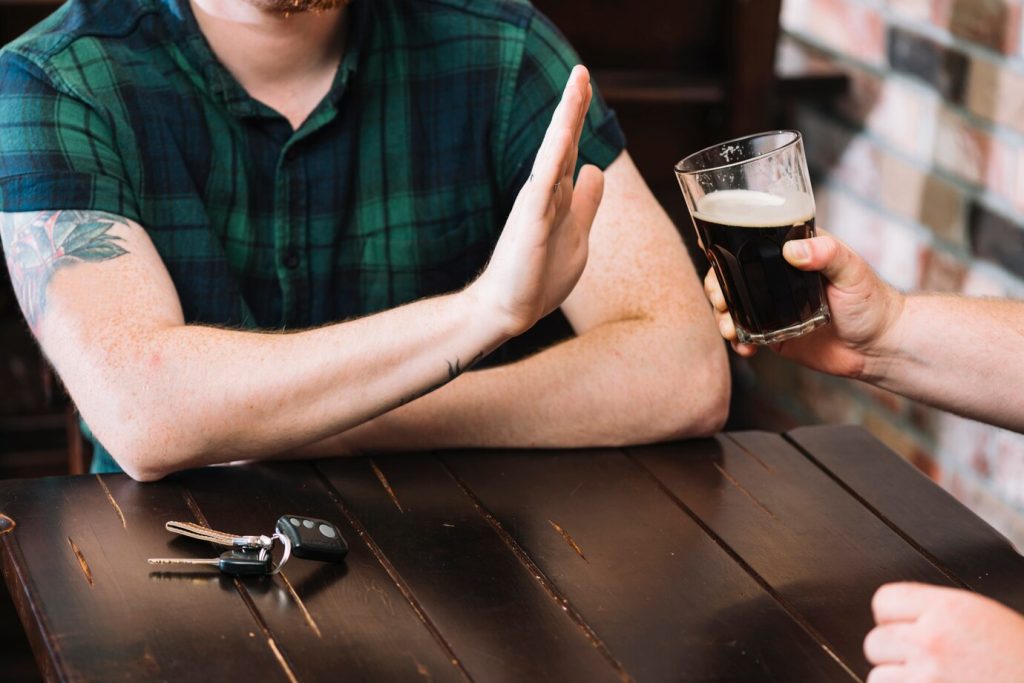
What is Alcohol Poisoning?
Alcohol poisoning occurs when the bloodstream is flooded with high levels of alcohol, overwhelming the body’s vital systems. As a central nervous system depressant, alcohol slows down brain function, impacting breathing, heart rate, and body temperature control.
The liver metabolizes alcohol at a steady rate—typically one standard drink per hour. Consuming more than this amount leads to increased Blood Alcohol Concentration (BAC), risking toxic effects.
Key Facts:
- A BAC of 0.30% or higher can be fatal.
- Alcohol continues to be absorbed into the bloodstream even after drinking stops.
- The body has no mechanism to rapidly eliminate alcohol once it reaches dangerous levels.
Signs and Symptoms of Alcohol Poisoning
Recognizing alcohol poisoning is critical. Symptoms intensify as alcohol concentration rises.
Early Symptoms:
- Mental confusion
- Difficulty remaining conscious
- Vomiting
- Slow reflexes
Advanced Symptoms:
- Seizures
- Irregular or slow breathing (fewer than eight breaths per minute)
- Hypothermia (low body temperature)
- Cyanosis (bluish or pale skin)
- Hypoglycemia (low blood sugar)
- Unconsciousness
Important: If someone is unconscious and cannot be awakened, they are at serious risk of death.
Causes of Alcohol Poisoning
Several factors contribute to alcohol poisoning:
1. Binge Drinking
The primary cause is binge drinking—defined by the CDC as consuming 4+ drinks for women or 5+ drinks for men within about two hours.
2. Drinking Games and Peer Pressure
Participation in drinking games or dares often leads to rapid, excessive alcohol intake.
3. Mixing Alcohol with Other Substances
Combining alcohol with medications, illicit drugs, or even caffeine can mask symptoms of intoxication, promoting overconsumption.
4. Consumption of High-Alcohol Concentration Products
Strong liquors or industrial alcohol products (e.g., hand sanitizers, mouthwash) have higher alcohol contents and pose immediate poisoning risks.
5. Alcohol Tolerance Misjudgment
Experienced drinkers may mistakenly believe they are immune to alcohol’s toxic effects, leading to excessive intake.
Real-World Example:
A college student participating in a fraternity hazing ritual consumed 21 shots of vodka in under an hour, resulting in fatal alcohol poisoning.
Complications of Alcohol Poisoning
Alcohol-poisoning can lead to a range of serious health complications, including:
1. Choking
Vomiting is common, and an impaired gag reflex increases the risk of inhaling vomit into the lungs, causing asphyxiation.
2. Cardiac Arrest
Alcohol disrupts the heart’s electrical signals, potentially causing arrhythmias and cardiac arrest.
3. Severe Dehydration
Excessive vomiting leads to dehydration, lowering blood pressure and causing shock.
4. Brain Damage
Lack of oxygen due to respiratory depression can cause irreversible brain injuries.
5. Hypothermia
Body temperature drops dangerously low, leading to organ failure.
6. Death
If untreated, alcohol-poisoning can lead to death within hours.
Case Study: A 19-year-old woman was found dead with a BAC of 0.41%, demonstrating how quickly alcohol-poisoning can turn fatal.
Risk Factors for Alcohol Poisoning
Not everyone has the same risk of alcohol-poisoning. Several factors increase susceptibility:
1. Age
Young adults aged 18-24 are most at risk due to social drinking habits.
2. Gender
Men are statistically more likely to binge drink and experience alcohol-poisoning.
3. Body Weight
Individuals with lower body mass metabolize alcohol slower, increasing toxicity risk.
4. Genetics
Certain genetic factors affect how efficiently alcohol is broken down.
5. Existing Health Conditions
People with liver disease, diabetes, or mental health disorders face greater risks.
6. Drinking Behavior
Drinking on an empty stomach, participating in drinking contests, or misjudging one’s limits heightens risk.
Diagnosis of Alcohol Poisoning
Clinical Evaluation
Healthcare providers assess:
- Vital signs (heart rate, breathing, temperature)
- Level of consciousness
- Physical appearance (skin color, responsiveness)
Laboratory Tests
- Blood Alcohol Concentration (BAC): Confirms the amount of alcohol in the bloodstream.
- Blood Glucose Levels: Detects hypoglycemia.
- Electrolyte Panel: Checks for imbalances that could lead to seizures or heart issues.
- Toxicology Screening: Identifies the presence of other substances.
Imaging Tests
If trauma is suspected (e.g., falls while intoxicated), CT scans or MRIs may be ordered.
Expert Tip: “In alcohol-poisoning cases, rapid assessment and treatment are the difference between full recovery and fatality,” says Dr. Susan Meyer, an ER physician.
Treatment for Alcohol Poisoning
Immediate treatment is essential. Home remedies (like cold showers or coffee) are ineffective and dangerous.
1. Emergency Medical Attention
Always call 911 if alcohol-poisoning is suspected.
2. Supportive Care
- Maintaining open airways
- Ensuring proper breathing and circulation
3. Oxygen Therapy
Oxygen is administered if breathing is compromised.
4. Intravenous Fluids
IV fluids correct dehydration, blood sugar issues, and electrolyte imbalances.
5. Stomach Pumping
Gastric lavage may be performed shortly after ingestion.
6. Hemodialysis
In severe cases, dialysis helps rapidly remove alcohol and toxins.
7. Preventing Choking
Patients are positioned on their sides to prevent choking on vomit.
Long-Term Effects of Alcohol Poisoning
Surviving alcohol-poisoning does not always mean a full recovery.
Potential Long-Term Consequences:
- Memory loss
- Coordination problems
- Chronic liver disease
- Pancreatitis
- Cardiovascular disease
- Increased risk of mental health disorders
Survivors often require rehabilitation and long-term medical monitoring.
Psychological Impact
Experiencing or witnessing alcohol poisoning can result in PTSD, depression, and anxiety.
Fact: Studies show that nearly 50% of alcohol poisoning survivors develop alcohol use disorders (AUD) within five years.
Prevention of Alcohol Poisoning
Preventing alcohol poisoning is possible through education, awareness, and responsible behavior.
Practical Tips:
- Drink Responsibly: Know your limits and stick to them.
- Pace Yourself: No more than one standard drink per hour.
- Eat Before and While Drinking: Slows alcohol absorption.
- Stay Hydrated: Drink water between alcoholic beverages.
- Avoid Peer Pressure: It’s okay to say “no” to more drinks.
- Be Cautious with Medications: Read labels and ask pharmacists about alcohol interactions.
- Look Out for Friends: Monitor each other’s drinking.
- Educate Youth: Schools and parents must discuss alcohol dangers honestly.
Campus Programs
Colleges now offer alcohol education programs like “AlcoholEdu,” proven to lower binge drinking rates by 50%.
When to Seek Emergency Help
Immediate help is needed if a person:
- Can’t wake up
- Has slow or irregular breathing
- Has seizures
- Has pale, blue, or cold skin
- Vomits uncontrollably
Never leave an unconscious person alone. Place them in the recovery position and call for emergency assistance.
Alcohol Poisoning vs. Hangover
It’s vital to distinguish between a severe hangover and alcohol poisoning.
| Feature | Hangover | Alcohol Poisoning |
|---|---|---|
| Symptoms | Headache, nausea, fatigue | Vomiting, unconsciousness, seizures |
| Severity | Mild to moderate | Life-threatening |
| Treatment | Rest, fluids | Emergency medical intervention |
Warning: A person suffering alcohol poisoning cannot simply “sleep it off.”
Real-Life Story
In 2013, an 18-year-old named Ethan was hospitalized after participating in a college “power hour” drinking game. He consumed 21 shots in an hour. His BAC was 0.43%, and he survived thanks only to immediate CPR from a roommate and rapid emergency intervention.
This harrowing event led Ethan’s university to launch an alcohol awareness campaign that has since reduced student hospitalizations by 40%.
Conclusion
Alcohol poisoning is a preventable tragedy. Education, awareness, and responsible drinking can save lives. Recognize the signs early, act immediately, and never assume someone “just needs to sleep it off.”
If you or someone you know struggles with drinking, seek help. Organizations like Alcoholics Anonymous and SAMHSA’s National Helpline (1-800-662-HELP) offer confidential support.
Remember: When in doubt, get medical help. Acting fast can be the difference between life and death.
✅ 15 FAQs on Alcohol Poisoning
What is alcohol poisoning?
Alcohol poisoning is a serious and potentially deadly condition that happens when you consume a toxic amount of alcohol in a short period, overwhelming your body’s ability to process it.
How much alcohol does it take to cause poisoning?
It varies depending on body weight, tolerance, and other factors, but binge drinking — about 4-5 drinks in two hours — can be enough to trigger alcohol poisoning.
What are the first warning signs of alcohol poisoning?
Early symptoms include confusion, vomiting, slow or irregular breathing, pale or bluish skin, and difficulty staying awake.
Can alcohol poisoning happen hours after drinking stops?
Yes. Alcohol continues to absorb into the bloodstream even after you stop drinking, meaning symptoms can worsen over several hours.
What should I do if I suspect someone has alcohol poisoning?
Call 911 immediately. Keep them awake if possible, lay them on their side to prevent choking, and never leave them alone.
Is it safe to let someone “sleep it off” after drinking heavily?
No. Someone with alcohol poisoning may lose consciousness, choke on vomit, stop breathing, or die while sleeping.
Can mixing alcohol with other substances worsen alcohol poisoning?
Yes. Combining alcohol with drugs (including prescription medications) can intensify alcohol’s effects and dramatically increase poisoning risk.
Who is most at risk for alcohol poisoning?
Young adults, binge drinkers, those with low body weight, and individuals mixing alcohol with drugs are at higher risk.
How do doctors diagnose alcohol poisoning?
Doctors assess symptoms, vital signs, and conduct tests like Blood Alcohol Concentration (BAC) measurement, blood sugar levels, and electrolyte panels.
What treatments are used for alcohol poisoning?
Treatment may include oxygen therapy, IV fluids, stomach pumping, and in severe cases, hemodialysis to remove alcohol from the blood quickly.
How long does it take to recover from alcohol poisoning?
Recovery time depends on severity. Mild cases may recover in a few hours with proper care; severe cases could require days of hospitalization.
Can alcohol poisoning cause permanent damage?
Yes. Severe alcohol poisoning can lead to brain damage, memory loss, organ failure, and lifelong disabilities.
How can I prevent alcohol poisoning?
Drink responsibly, pace yourself, eat before and during drinking, stay hydrated, avoid mixing substances, and know your personal limits.
Does coffee or a cold shower help sober someone up?
No. These methods do not lower blood alcohol levels or reverse poisoning. Only time and medical care can help.
Is alcohol poisoning common?
Unfortunately, yes. In the United States alone, there are over 2,200 alcohol poisoning deaths each year — about six deaths every single day.
For more details keep visiting our website & Facebook Page.