
Understanding the Heart’s Irregular Rhythm
Arrhythmia refers to an irregular heartbeat, where the heart can beat too fast, too slow, or erratically. The term “arrhythmia” is derived from the Greek words “a” meaning “without” and “rhythmia” meaning “rhythm,” indicating an absence or irregularity in the normal rhythm of the heart. Our heart has a natural pacemaker—the sinoatrial (SA) node—that generates electrical impulses, guiding the heart’s rhythm. When this rhythm is disturbed, arrhyth-mias occur.
Although arrhythmias are common, many people don’t even know they have them. While some arrhythmias are harmless and do not require treatment, others can be serious, leading to complications like stroke or even sudden cardiac arrest. It’s important to understand the symptoms, causes, types, diagnosis, and treatments of arrhythmias to properly manage the condition.
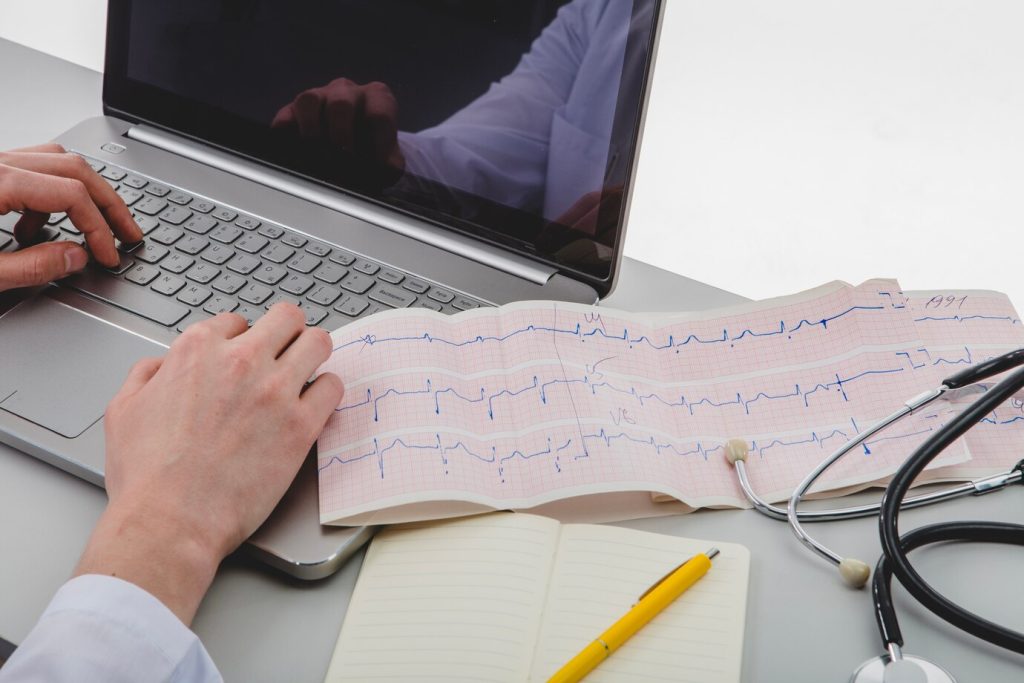
Symptoms of Arrhythmia
The symptoms of arrhythmia vary widely depending on the type of arrhythmia, its severity, and whether it is affecting the heart’s function. In many cases, arrhythmias may not cause noticeable symptoms. However, when symptoms do occur, they can include:
- Palpitations: A feeling of rapid, fluttering, or pounding heartbeats.
- Dizziness or Lightheadedness: A sensation of faintness, which can occur if the heart is not pumping enough blood to the brain.
- Shortness of Breath: Difficulty breathing or feeling winded even with minimal activity, often accompanied by chest discomfort.
- Chest Pain: A feeling of tightness or discomfort in the chest area, which may signal an underlying issue with the heart.
- Fatigue: Unusual tiredness or a general lack of energy, even after adequate rest.
- Fainting or Near Fainting: Also known as syncope, this can occur when the heart’s pumping efficiency decreases significantly.
- Weak Pulse: A noticeable decrease in pulse strength.
If any of these symptoms occur, it is essential to seek medical attention to rule out any serious conditions.
Causes of Arrhythmia
Arrhythmias are caused by a disruption in the heart’s electrical system. Normally, the heart’s electrical impulses travel through the heart muscle in a coordinated manner, ensuring the heart beats in a regular rhythm. However, when this electrical activity is altered, an arrhyth-mia may result. The causes of arrhyth-mia include:
- Coronary Artery Disease: The most common cause of arrhyth-mia, where the heart’s arteries become blocked or narrowed, reducing blood flow to the heart.
- Heart Attack (Myocardial Infarction): Damage to the heart muscle caused by a heart attack can lead to irregular electrical activity and arrhyth-mias.
- High Blood Pressure (Hypertension): Over time, high blood pressure can cause the heart’s structure to change, leading to arrhyth-mias.
- Electrolyte Imbalances: Abnormal levels of potassium, calcium, or sodium can interfere with the electrical impulses in the heart.
- Heart Valve Disease: Conditions that affect the heart valves, such as mitral valve prolapse or aortic stenosis, can contribute to arrhyth-mias.
- Congenital Heart Defects: Some individuals are born with irregularities in the heart’s electrical system.
- Cardiomyopathy: A disease of the heart muscle that can make it harder for the heart to pump blood and can lead to arrhyth-mias.
- Hyperthyroidism: An overactive thyroid can increase the heart rate, leading to arrhyth-mias.
- Alcohol or Drug Use: Excessive alcohol consumption or the use of certain drugs (e.g., cocaine, stimulants) can provoke arrhyth-mias.
- Stress or Anxiety: High levels of stress or anxiety can trigger irregular heartbeats, especially in individuals with a predisposition to arrhyth-mias.
Types of Arrhythmia
Arrhythmias can be broadly classified based on their origin (the part of the heart from which the arrhyth-mia originates) and whether they cause the heart to beat too fast (tachycardia), too slow (bradycardia), or erratically. Below are the main types of arrhyth-mias:
- Atrial Fibrillation (AFib):
- Description: The most common type of serious arrhyth-mia, where the atria (the upper chambers of the heart) beat irregularly and out of coordination with the ventricles (the lower chambers).
- Symptoms: Rapid or irregular heartbeats, dizziness, shortness of breath, fatigue.
- Complications: Increased risk of stroke due to the formation of blood clots in the atria.
- Ventricular Tachycardia (VT):
- Description: A fast heart rate originating from the ventricles. VT is a potentially life-threatening condition, particularly if it lasts for more than a few seconds.
- Symptoms: Rapid heartbeat, dizziness, fainting, chest pain, shortness of breath.
- Complications: May lead to ventricular fibrillation, a condition that can result in sudden cardiac arrest.
- Ventricular Fibrillation (VF):
- Description: A severe arrhyth-mia where the ventricles quiver instead of contracting properly. It is a medical emergency requiring immediate treatment.
- Symptoms: Sudden collapse, no pulse, loss of consciousness, and unresponsiveness.
- Complications: If not treated immediately, VF can lead to death.
- Bradycardia:
- Description: A slow heart rate (usually fewer than 60 beats per minute) that can be caused by problems with the heart’s electrical system.
- Symptoms: Dizziness, fatigue, shortness of breath, fainting.
- Complications: If severe, bradycardia can impair blood flow to vital organs.
- Supraventricular Tachycardia (SVT):
- Description: A rapid heart rate originating above the ventricles, typically in the atria or the AV node.
- Symptoms: Palpitations, chest discomfort, shortness of breath, dizziness.
- Complications: Although typically not life-threatening, prolonged SVT can cause discomfort and fatigue.
- Premature Heartbeats (Premature Ventricular Contractions – PVCs and Premature Atrial Contractions – PACs):
- Description: Extra heartbeats that occur earlier than expected, often causing a skipped beat or fluttering sensation.
- Symptoms: Palpitations or irregular heartbeat.
- Complications: Usually benign, but frequent PVCs or PACs can sometimes lead to more serious arrhythmias.
Diagnosis of Arrhythmia
The diagnosis of arrhythmia is based on a combination of clinical evaluation, patient history, physical examination, and diagnostic tests. The most common methods used to diagnose arrhyth-mias include:
- Electrocardiogram (ECG or EKG):
- Description: A test that records the electrical activity of the heart. It is the primary tool for diagnosing arrhyth-mias.
- Process: Electrodes are attached to the skin, and the heart’s electrical impulses are recorded.
- Usefulness: Helps to identify the type and origin of arrhyth-mia, and is often used during an episode of symptoms.
- Holter Monitor:
- Description: A portable ECG device that is worn continuously for 24 to 48 hours.
- Usefulness: Ideal for detecting arrhyth-mias that may not be caught during a short ECG examination.
- Event Monitor:
- Description: Similar to a Holter monitor, but it records the heart’s activity only when the patient presses a button to activate the monitor during symptoms.
- Usefulness: Useful for arrhyth-mias that occur sporadically.
- Electrophysiological Study (EPS):
- Description: A test that involves inserting catheters into the heart to map the heart’s electrical system and induce arrhyth-mias.
- Usefulness: Helps in identifying the exact location and mechanism of arrhyth-mias, especially for patients with complex arrhyth-mias.
- Echocardiogram:
- Description: An ultrasound of the heart that can help identify structural problems such as valve disease, which can contribute to arrhyth-mias.
- Stress Test:
- Description: A test where the patient exercises on a treadmill while their heart rate and rhythm are monitored.
- Usefulness: Helps detect arrhythmias that occur with physical exertion.
Treatments for Arrhythmia
Treatment for arrhythmia depends on its type, severity, and the patient’s overall health. While some arrhythmias may not require immediate treatment, others can lead to serious complications. Treatment options include:
- Lifestyle Changes:
- Maintaining a heart-healthy diet, regular exercise, reducing stress, and avoiding stimulants (like caffeine or alcohol) can help manage some arrhyth-mias.
- Medications:
- Antiarrhythmic Drugs: These medications help control heart rhythm and prevent arrhyth-mias from recurring.
- Beta-blockers: Used to slow the heart rate and reduce the risk of arrhyth-mias.
- Blood Thinners: If arrhyth-mia increases the risk of blood clots (e.g., AFib), blood thinners may be prescribed.
- Electrical Cardioversion:
- A procedure in which an electrical shock is delivered to the heart to restore normal rhythm, commonly used for conditions like atrial fibrillation.
- Catheter Ablation:
- A minimally invasive procedure where catheters are inserted into the heart to destroy the tissue responsible for the abnormal electrical signals.
- Pacemaker:
- A small device implanted under the skin that helps regulate the heart’s rhythm, especially in cases of bradycardia.
- Implantable Cardioverter Defibrillator (ICD):
- A device that monitors the heart’s rhythm and delivers shocks if a life-threatening arrhyth-mia like ventricular fibrillation occurs.
- Surgical Treatment:
- In severe cases, surgery may be required to correct heart valve problems, repair damaged tissue, or implant a pacemaker or defibrillator.
Conclusion
Arrhythmia is a condition characterized by irregular heart rhythms that can vary from harmless to life-threatening. Recognizing the symptoms and understanding the potential causes and types of arrhyth-mia are critical for timely diagnosis and treatment. With modern advancements in medical technology, arrhyth-mias can be effectively managed, improving the quality of life for many individuals affected by this condition. If you experience symptoms like palpitations, dizziness, or chest pain, it is essential to seek medical advice to ensure proper diagnosis and treatment.
By maintaining a healthy lifestyle and working closely with a healthcare provider, people with arrhythmias can manage their condition effectively and reduce the risk of complications.
Frequently Asked Question About Arrhythmia
What is arrhythmia?
Arrhythmia is a condition in which the heart beats irregularly, either too fast, too slow, or in an erratic pattern. It occurs when the heart’s electrical system malfunctions, disrupting the normal rhythm of the heart.
What causes arrhythmia?
Arrhythmias can be caused by a variety of factors, including coronary artery disease, heart attack, high blood pressure, electrolyte imbalances, heart valve disease, and certain medications or substances like alcohol and stimulants.
What are the common symptoms of arrhythmia?
Common symptoms of arrhythmia include palpitations (fluttering or rapid heartbeat), dizziness, shortness of breath, chest pain, fatigue, and fainting. However, some arrhythmias may not cause any noticeable symptoms.
Can arrhythmia be dangerous?
Yes, some types of arrhythmia can be dangerous. For example, ventricular fibrillation can lead to sudden cardiac arrest, while atrial fibrillation increases the risk of stroke due to blood clots forming in the heart.
How is arrhythmia diagnosed?
Arrhythmia is diagnosed using tests such as an Electrocardiogram (ECG), Holter monitor, event monitor, electrophysiological study (EPS), and echocardiogram. These tests help doctors evaluate the heart’s electrical activity and identify abnormal rhythms.
What is the treatment for arrhythmia?
Treatment options for arrhythmia include medications (antiarrhythmic drugs, beta-blockers), electrical cardioversion, catheter ablation, pacemakers, implantable cardioverter defibrillators (ICD), and lifestyle changes such as a healthy diet and exercise.
Can lifestyle changes help manage arrhythmia?
Yes, lifestyle changes can play a significant role in managing arrhythmia. Maintaining a healthy diet, regular physical activity, avoiding excessive alcohol or caffeine, managing stress, and quitting smoking can help control arrhythmias.
What is atrial fibrillation (AFib)?
Atrial fibrillation (AFib) is a common type of arrhythmia where the atria (upper chambers of the heart) beat irregularly and out of sync with the ventricles (lower chambers), leading to a rapid and disorganized heartbeat.
How is atrial fibrillation treated?
Atrial fibrillation can be treated with medications to control heart rate, blood thinners to reduce stroke risk, electrical cardioversion, catheter ablation, or in some cases, a pacemaker.
Can arrhythmias cause a stroke?
Yes, certain arrhythmias like atrial fibrillation can increase the risk of stroke. This is because the irregular heartbeat may cause blood clots to form in the heart, which can travel to the brain and block blood flow.
What is ventricular tachycardia (VT)?
Ventricular tachycardia (VT) is a type of arrhythmia that originates in the ventricles (lower chambers of the heart) and results in a fast heart rate. It can be life-threatening and may lead to ventricular fibrillation if not treated promptly.
Can arrhythmia be inherited?
Yes, certain arrhythmias can be inherited, especially those caused by genetic conditions that affect the heart’s electrical system, such as Long QT syndrome or Brugada syndrome.
What is the role of a pacemaker in treating arrhythmia?
A pacemaker is a small device implanted under the skin that helps regulate the heart’s rhythm. It sends electrical signals to the heart to ensure it beats at a normal rate, especially in cases of bradycardia (slow heart rate).
What is an implantable cardioverter defibrillator (ICD)?
An Implantable Cardioverter Defibrillator (ICD) is a device implanted in the chest that monitors the heart’s rhythm and delivers shocks if a life-threatening arrhythmia, such as ventricular fibrillation, occurs. It can help prevent sudden cardiac arrest.
an stress cause arrhythmia?
Yes, stress and anxiety can trigger or worsen arrhythmias, especially in individuals who are already prone to heart rhythm problems. Managing stress through relaxation techniques or therapy may help reduce the frequency of arrhythmia episodes.
For more details keep visiting our Website & Facebook Page.