
Arthritis (Osteoarthritis): Symptoms, Causes, Types, Diagnosis, and Treatments
Arthritis (OA), the most common form of arthritis, is a progressive joint disorder characterized by the degeneration of cartilage and underlying bone within joints. It affects millions of people worldwide, especially those over the age of 50. While often considered a “wear-and-tear” disease, OA is more complex, involving biological, mechanical, and inflammatory processes that contribute to joint damage and pain.
In this comprehensive article, we delve into everything you need to know about osteoarthritis—its symptoms, underlying causes, types, diagnosis techniques, and the latest treatment options available.
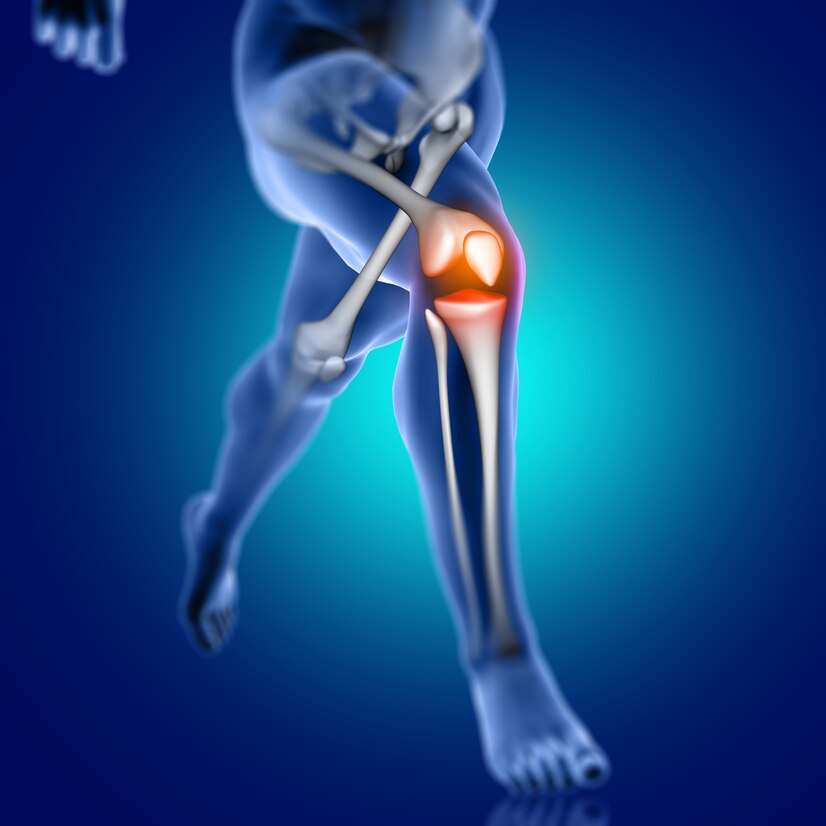
What is Arthritis (Osteoarthritis)?
Osteoarthritis is a chronic joint condition where the cartilage—the tissue that cushions the ends of bones in joints—gradually deteriorates. This leads to bones rubbing against each other, causing pain, swelling, stiffness, and reduced joint mobility. Over time, osteoarthritis can affect not only the cartilage but also the entire joint, including bones, ligaments, and muscles.
OA commonly affects joints in the knees, hips, hands, and spine, but it can occur in any joint.
Prevalence and Risk Factors
Arthritis (Osteoarthritis) affects over 32 million adults in the United States alone and is a leading cause of disability in older adults. While age is the most significant risk factor, OA can also develop in younger individuals, particularly those with joint injuries or genetic predispositions.
Key Risk Factors:
- Age: Risk increases with age.
- Gender: Women are more likely to develop OA, especially after menopause.
- Obesity: Extra body weight increases stress on joints, especially knees and hips.
- Genetics: Family history can raise risk.
- Injury: Joint injuries can lead to post-traumatic Arthritis (Osteoarthritis).
- Occupation: Jobs involving repetitive stress on joints.
- Muscle Weakness: Lack of support around joints accelerates cartilage breakdown.
Symptoms of Osteoarthritis
The symptoms of Arthritis (Osteoarthritis) typically develop slowly and worsen over time. They can vary from person to person but generally include:
1. Pain
- Joint pain that worsens with activity and improves with rest.
- In early stages, pain may only occur after physical exertion.
2. Stiffness
- Particularly noticeable in the morning or after periods of inactivity.
- Often improves within 30 minutes of movement.
3. Swelling
- Mild to moderate inflammation may be present due to increased fluid in the joint.
4. Loss of Flexibility
- Decreased range of motion.
- Difficulty bending or straightening the joint.
5. Grating Sensation
- Feeling or hearing a crunching sound during joint movement, known as crepitus.
6. Bone Spurs
- Hard lumps that may form around the joint due to bone overgrowth.
7. Deformities
- Advanced stages can lead to joint misalignment or visible deformities.
Causes of Osteoarthritis
While the exact cause of Arthritis (Osteoarthritis) isn’t fully understood, it involves a combination of mechanical stress and biological changes.
Primary Causes:
- Cartilage Breakdown:
- Repetitive use of joints leads to the gradual wear of cartilage.
- Cartilage erosion exposes bones to direct contact.
- Inflammation:
- Low-grade inflammation contributes to joint degeneration.
- Joint Injury:
- Past injuries like fractures or ligament tears accelerate OA development.
- Abnormal Joint Structure:
- Congenital defects or developmental disorders affecting joints.
- Metabolic Disorders:
- Conditions like hemochromatosis or diabetes can increase OA risk.
Types of Osteoarthritis
Arthritis (Osteoarthritis) can be categorized based on its origin and the joints it affects.
1. Primary Osteoarthritis
- Most common form.
- Associated with aging and natural wear and tear.
2. Secondary Osteoarthritis
- Caused by another condition such as injury, obesity, or disease.
Commonly Affected Areas:
a. Knee Osteoarthritis
- Causes difficulty walking or climbing stairs.
- Common in athletes and overweight individuals.
b. Hip Osteoarthritis
- Causes pain in groin, thigh, or buttocks.
- Affects walking and sitting.
c. Spinal Osteoarthritis
- Affects cervical and lumbar spine.
- Can lead to spinal stenosis.
d. Hand Osteoarthritis
- Affects joints at the base of the thumb and fingertips.
- Causes stiffness, pain, and difficulty gripping.
Diagnosis of Osteoarthritis
Early diagnosis of Arthritis (Osteoarthritis) is key to managing the condition effectively and slowing its progression.
1. Medical History
- Family history, symptoms, lifestyle, and injury history.
2. Physical Examination
- Checking for tenderness, swelling, range of motion, and joint deformity.
3. Imaging Tests
- X-rays: Reveal cartilage loss, bone spurs, and joint space narrowing.
- MRI: Offers detailed images of bone and soft tissue, helpful in early OA.
4. Laboratory Tests
- Blood tests: To rule out other types of arthritis like rheumatoid arthritis.
- Joint fluid analysis: Identifies inflammation and infection.
Treatment Options for Osteoarthritis
There is no cure for Arthritis (Osteoarthritis) , but various treatment options can manage symptoms and improve joint function. Treatment typically depends on the severity of the disease, location of affected joints, and patient lifestyle.
Non-Pharmacological Treatments
1. Exercise
- Low-impact aerobic exercises like walking, swimming, or cycling.
- Strength training to support joint stability.
2. Weight Management
- Losing even a small amount of weight can significantly reduce joint stress.
3. Physical Therapy
- Improves mobility, strength, and flexibility.
- Tailored exercise programs by a professional therapist.
4. Assistive Devices
- Canes, braces, or shoe inserts to reduce pressure on joints.
5. Hot and Cold Therapy
- Heat relieves stiffness; cold reduces swelling and pain.
Medications
1. Analgesics
- Acetaminophen for mild to moderate pain.
2. NSAIDs (Nonsteroidal Anti-Inflammatory Drugs)
- Ibuprofen or naproxen for pain and inflammation.
3. Topical NSAIDs
- Creams and gels applied directly to the joint.
4. Corticosteroid Injections
- Reduce inflammation and pain in the affected joint.
5. Hyaluronic Acid Injections
- Supplements joint fluid to reduce pain in knee OA.
6. Duloxetine
- Antidepressant that also helps manage chronic OA pain.
Surgical Treatments for Arthritis (Osteoarthritis)
When conservative treatments fail, surgical options may be considered.
1. Arthroscopy
- Minimally invasive surgery to clean out damaged cartilage.
2. Osteotomy
- Realignment of bones to reduce joint pressure.
3. Joint Fusion (Arthrodesis)
- Used in smaller joints like fingers and ankles.
4. Total Joint Replacement (Arthroplasty)
- Replacing the damaged joint with a prosthetic.
- Common in hips and knees.
Alternative and Complementary Therapies
Some patients find relief with natural or alternative approaches, although these should always be used under medical guidance.
1. Acupuncture
- Stimulates nerve endings to relieve pain.
2. Massage Therapy
- Promotes circulation and relaxes stiff muscles.
3. Supplements
- Glucosamine and Chondroitin: Mixed evidence but widely used.
- Omega-3 Fatty Acids: Anti-inflammatory properties.
4. Herbal Remedies
- Turmeric, ginger, and Boswellia may offer relief.
Living with Osteoarthritis
Managing Arthritis (Osteoarthritis) involves more than just medical treatment—it’s about lifestyle adaptation and proactive care.
Self-Management Tips:
- Stay active within limits.
- Balance rest and activity.
- Use ergonomic tools at home and work.
- Join a support group.
- Practice mindfulness and stress management.
Dietary Recommendations:
- Anti-inflammatory diet: Rich in fruits, vegetables, whole grains, fatty fish, and nuts.
- Avoid processed foods, sugars, and saturated fats.
Osteoarthritis in Younger Adults
While OA is commonly seen in older adults, younger people are not immune, especially those with:
- Sports injuries
- Congenital joint abnormalities
- Genetic conditions
- Obesity or metabolic issues
Early intervention in young patients is vital to prevent long-term disability.
The Future of Osteoarthritis Treatment
Ongoing research continues to explore innovative ways to treat and possibly reverse osteoarthritis.
Promising Developments:
- Regenerative Medicine: Stem cell therapy to repair cartilage.
- Gene Therapy: Targeting genetic factors causing cartilage breakdown.
- Tissue Engineering: Development of synthetic cartilage.
When to See a Doctor
If joint pain, stiffness, or swelling persists for more than a few weeks or begins to interfere with daily activities, it is essential to consult a healthcare provider. Early diagnosis and treatment can make a significant difference in managing osteoarthritis.
Conclusion
Osteoarthritis is a life-altering condition, but with proper diagnosis, treatment, and lifestyle management, people with OA can lead active, fulfilling lives. While aging is inevitable, the decline in joint health doesn’t have to be. By understanding the symptoms, recognizing the causes, and utilizing the wide range of treatments available—from lifestyle modifications to advanced medical interventions—you can take control of your joint health and mobility.
Take the first step toward joint health today. Consult your doctor, stay active, eat well, and don’t ignore persistent joint discomfort. Your joints will thank you.
🔹 Frequently Asked Questions (FAQs) About Osteoarthritis
What is osteoarthritis?
Osteoarthritis is a chronic joint condition caused by the breakdown of cartilage, leading to pain, stiffness, and reduced mobility in affected joints.
What causes osteoarthritis to develop?
The main causes include aging, joint injuries, obesity, genetics, repetitive joint use, and metabolic conditions like diabetes.
What are the early signs of osteoarthritis?
Early symptoms include joint stiffness, especially in the morning, mild joint pain after activity, and a slight loss of flexibility.
Which joints are most commonly affected by osteoarthritis?
Osteoarthritis commonly affects the knees, hips, hands, spine, and sometimes the feet and shoulders.
How is osteoarthritis different from rheumatoid arthritis?
Osteoarthritis is a degenerative disease caused by wear and tear, while rheumatoid arthritis is an autoimmune condition that causes inflammation in the joints.
Can osteoarthritis be cured?
There is currently no cure for osteoarthritis, but symptoms can be effectively managed through lifestyle changes, medications, and, in severe cases, surgery.
How is osteoarthritis diagnosed?
Doctors diagnose osteoarthritis using a physical exam, patient history, X-rays, and sometimes MRIs or joint fluid analysis to rule out other conditions.
Is osteoarthritis hereditary?
Yes, genetics can play a role. If your parents or siblings have osteoarthritis, your risk may be higher.
Can exercise help with osteoarthritis?
Absolutely. Regular low-impact exercise strengthens muscles, supports joints, and improves flexibility, reducing symptoms.
What foods are good for osteoarthritis?
Anti-inflammatory foods such as fatty fish, leafy greens, berries, nuts, and whole grains can help manage symptoms.
Can weight loss improve osteoarthritis symptoms?
Yes, losing even 5–10% of body weight can significantly reduce pressure on weight-bearing joints like the knees and hips.
What medications are commonly used for osteoarthritis?
Over-the-counter pain relievers (like acetaminophen), NSAIDs, corticosteroid injections, and sometimes antidepressants like duloxetine are used.
Is surgery necessary for osteoarthritis?
Surgery is considered when conservative treatments fail. Options include joint replacement, osteotomy, or arthroscopy.
Are there natural remedies for osteoarthritis
Yes. Some people find relief using supplements like glucosamine, turmeric, omega-3s, and therapies like acupuncture or massage.
How can I prevent osteoarthritis or slow its progression?
Maintain a healthy weight, stay active, avoid joint injuries, use proper posture, and manage other chronic conditions like diabetes.
For more details keep visiting our Website & Facebook Page.