
Drowning Treatment: Symptoms, Causes, Diagnosis, Treatments, and Living With It
Drowning Treatment is a serious medical emergency that can lead to severe health complications or even death if not treated promptly and properly. Despite being preventable, drowning remains a leading cause of accidental injury and death worldwide, particularly among children. Understanding the symptoms, causes, diagnosis, and treatments of drowning can help save lives and improve outcomes for survivors. This comprehensive guide also discusses what it means to live with the aftereffects of drowning and how ongoing care can support recovery.
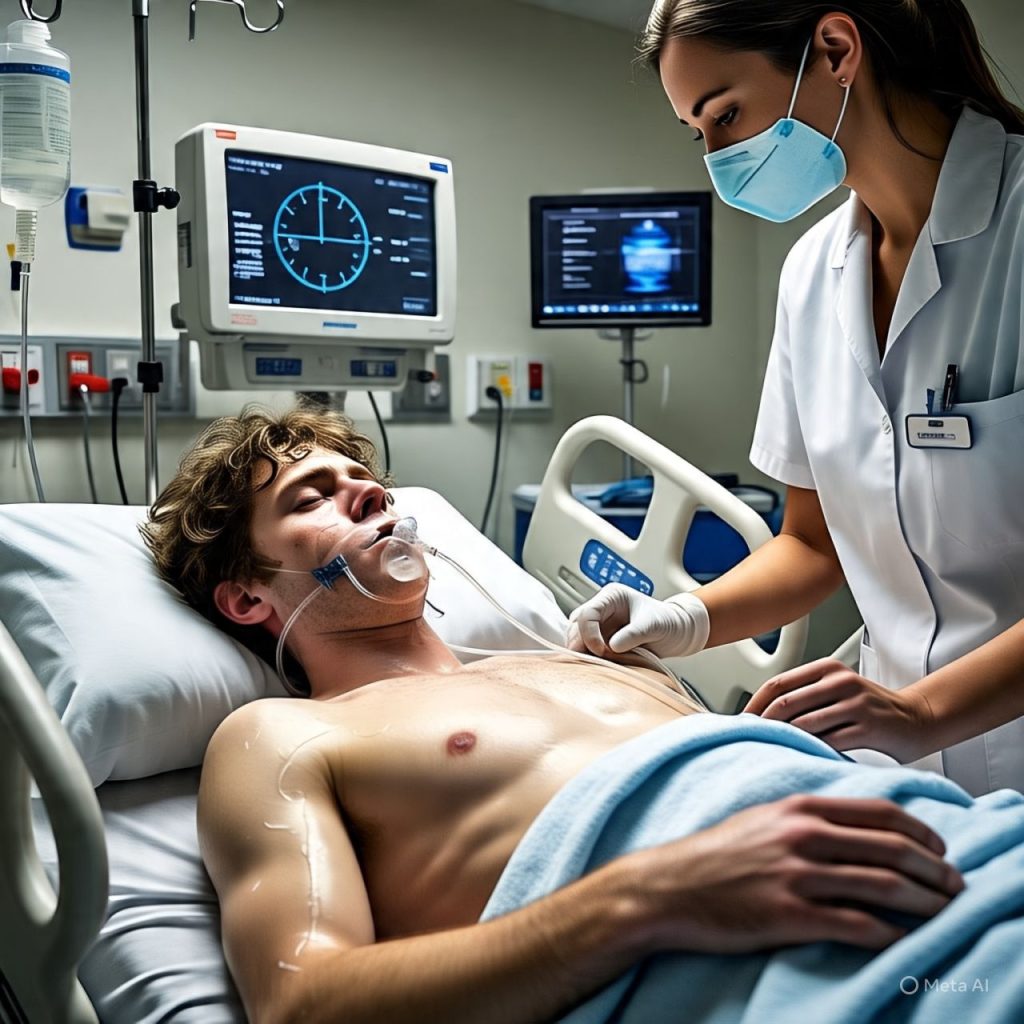
What is Drowning?
Drowning Treatment occurs when a person’s airway is blocked by liquid — usually water — preventing them from breathing. This leads to oxygen deprivation, which can cause brain damage or death if not quickly reversed. Drowning can happen in any body of water, including pools, lakes, oceans, bathtubs, or even buckets.
Causes of Drowning
Understanding the causes of drowning helps in prevention and immediate response:
1. Accidental Immersion
Most drowning incidents are accidental. People may slip and fall into water, especially young children who are curious or adults who misjudge swimming abilities.
2. Lack of Swimming Skills
Not knowing how to swim significantly increases drowning risk. Many drownings happen when people venture into water beyond their skill level.
3. Alcohol and Drug Use
Intoxication is a major factor in adult drowning cases, impairing judgment, balance, and coordination.
4. Medical Conditions
Seizures, heart attacks, or sudden loss of consciousness while in water can lead to drowning.
5. Environmental Factors
Strong currents, waves, cold water, and poor visibility can contribute to drowning, especially in natural water bodies.
6. Lack of Supervision
Many child drownings happen when adults are not watching closely, highlighting the importance of supervision near water.
Symptoms of Drowning Treatment
Drowning symptoms can vary depending on how long the person has been submerged and the amount of water inhaled:
Early Signs
- Panic and struggling to keep the head above water
- Gasping or coughing
- Inability to call for help or wave arms effectively
Physical Symptoms
- Difficulty breathing or shortness of breath
- Wheezing or choking sounds
- Bluish skin color, especially around lips and nails (cyanosis)
- Loss of consciousness
After Rescue
- Persistent coughing or vomiting
- Chest pain or tightness
- Confusion, disorientation, or drowsiness
- Rapid or irregular heartbeat
- Low body temperature (hypothermia)
How is Drowning Treatment Diagnosed?
Once a drowning victim reaches medical care, healthcare professionals perform a detailed assessment to determine the severity and complications:
1. Physical Examination
- Checking airway, breathing, and circulation (ABCs)
- Monitoring vital signs: heart rate, oxygen saturation, blood pressure
- Looking for injuries or trauma from the incident
2. Imaging Tests
- Chest X-ray to check for water in the lungs (pulmonary edema) or lung infection
- CT scan or MRI if neurological damage is suspected
3. Blood Tests
- Assessing oxygen levels, blood gases, and electrolytes
- Screening for infections or other metabolic issues
4. Neurological Evaluation
- Assessing brain function and consciousness level
- Checking reflexes and motor skills
Treatments for Drowning Treatment
Treatment depends on how long the person was submerged, the amount of water inhaled, and their overall health:
1. Immediate Emergency Care
Rescue and CPR
- Rescue involves removing the person from water safely.
- If the person is not breathing, cardiopulmonary resuscitation (CPR) must begin immediately.
- CPR restores oxygen flow to vital organs and can be life-saving.
Airway Management
- Clearing the airway of water or debris.
- Using suction if necessary.
- Administering oxygen or mechanical ventilation if breathing is impaired.
2. Hospital Care
Oxygen Therapy
- Supplemental oxygen helps restore normal oxygen levels in the blood.
- In severe cases, mechanical ventilation may be required to assist breathing.
Fluid Management
- Intravenous fluids help maintain blood pressure and hydration.
Medications
- Diuretics may be given to reduce lung swelling.
- Antibiotics if infection or pneumonia develops.
- Sedatives or pain relief if necessary.
Monitoring and Supportive Care
- Continuous monitoring of vital signs and neurological status.
- Treating complications such as hypothermia or seizures.
3. Advanced Treatments
Extracorporeal Membrane Oxygenation (ECMO)
- In critical cases, ECMO can temporarily take over lung and heart function, allowing them to rest and heal.
Therapeutic Hypothermia
- Cooling the body slightly to reduce brain injury after oxygen deprivation.
Complications of Drowning Treatment
Drowning can cause a range of complications, some immediate and others long-term:
1. Pulmonary Edema
Water in the lungs causes inflammation and fluid buildup, making breathing difficult.
2. Acute Respiratory Distress Syndrome (ARDS)
Severe lung injury can develop, requiring intensive respiratory support.
3. Brain Damage
Oxygen deprivation can lead to permanent brain injury, causing cognitive or physical disabilities.
4. Infections
Water entering the lungs may introduce bacteria, leading to pneumonia.
5. Hypothermia
Exposure to cold water lowers body temperature, risking further complications.
Living with the Aftereffects of Drowning
Recovery from drowning can be a long journey, especially if brain injury or lung damage occurred. Here are key points about living with the aftereffects:
1. Physical Rehabilitation
- Physical therapy may be needed to regain strength, coordination, and mobility.
- Respiratory therapy helps improve lung function.
2. Cognitive and Emotional Support
- Survivors may face memory issues, difficulty concentrating, or personality changes.
- Psychological counseling or psychiatric care may be necessary for trauma, anxiety, or depression.
3. Ongoing Medical Care
- Regular follow-ups with pulmonologists or neurologists.
- Managing chronic respiratory problems or neurological deficits.
4. Family and Caregiver Support
- Family education about the survivor’s condition is vital.
- Caregivers may need training to provide assistance.
5. Lifestyle Adjustments
- Avoiding swimming or water activities until cleared by a doctor.
- Using safety devices like life jackets.
- Awareness of seizure precautions if applicable.
Prevention: The Best Treatment
Prevention remains the most effective “treatment” against drowning. Here are some essential preventive measures:
- Learn to swim: Formal swimming lessons for children and adults.
- Supervise children: Never leave children unattended near water.
- Use life jackets: Especially for boating or when swimming in open water.
- Avoid alcohol: Don’t swim or supervise water activities while intoxicated.
- Fence pools: To restrict unsupervised access.
- Know CPR: Immediate response can save lives.
Conclusion
Drowning is a critical emergency requiring swift action and specialized treatment to prevent serious injury or death. Recognizing symptoms early, understanding causes, and providing prompt diagnosis and treatment are essential to improving survival rates and outcomes. For those who survive, comprehensive rehabilitation and emotional support play a crucial role in recovery. Most importantly, prevention through education, supervision, and safety practices can save countless lives and is the best defense against drowning.
FAQs about Drowning Treatment
What are the first steps to take if someone is drowning?
The first step is to safely remove the person from the water without putting yourself at risk. Immediately call emergency services and check if the person is breathing. If they’re not breathing, start CPR right away.
How can I recognize if someone is drowning?
Look for signs such as struggling to keep their head above water, gasping or choking sounds, inability to call for help, and panicked movements. Drowning often happens quietly, so pay close attention.\
What causes drowning besides just being underwater?
Besides submersion, drowning can result from medical conditions like seizures, heart problems, or intoxication that cause loss of consciousness or inability to swim.
Can drowning happen in shallow water?
Yes, even shallow water can be dangerous. Children and adults can drown in surprisingly small amounts of water if they become unconscious or unable to move.
What are the common symptoms after near-drowning?
Symptoms include coughing, difficulty breathing, chest pain, fatigue, confusion, and bluish skin color. Some symptoms may appear hours after the incident, so medical evaluation is important.
How do doctors diagnose drowning-related injuries?
Doctors use physical exams, chest X-rays, blood tests, and oxygen level monitoring. In severe cases, brain scans or heart monitoring might be necessary to assess the damage.
What treatments are available for someone who has drowned?
Treatment ranges from oxygen therapy and CPR to mechanical ventilation for severe cases. Medical staff also monitor for complications like lung infections or brain injury.
Is it possible to survive drowning without brain damage?
Yes, quick rescue and immediate CPR can prevent brain damage by restoring oxygen to the brain. However, outcomes depend on how long the person was underwater.
What is pulmonary edema, and why does it occur in drowning?
Pulmonary edema is fluid buildup in the lungs, common after drowning when water irritates lung tissues, making breathing difficult. It requires medical treatment to improve oxygen exchange.
How long should a person be monitored after near-drowning?
Even if the person seems fine, they should be observed for at least 24 hours in a medical facility because complications like lung infection or swelling can develop later.
Can drowning cause long-term health issues?
Yes, survivors may face respiratory problems, neurological deficits, or psychological effects such as anxiety or PTSD, depending on the severity and duration of oxygen deprivation.
How can families support someone recovering from drowning?
Provide emotional support, encourage physical therapy, attend follow-up appointments, and help create a safe environment to prevent future incidents.
What preventive measures reduce drowning risk?
Learning to swim, supervising children around water, wearing life jackets, avoiding alcohol, and installing safety barriers like pool fences are effective prevention strategies.
Is CPR training important for drowning emergencies?
Absolutely. Knowing CPR can save lives by maintaining oxygen flow until professional help arrives. It’s recommended for anyone who spends time near water.
When should I seek emergency care after water-related incidents?
If someone has inhaled water, is coughing persistently, has difficulty breathing, chest pain, confusion, or loss of consciousness, call emergency services immediately for evaluation.
For More Details Keep Visiting our Website or Facebook Page.