
IBS-D (Irritable Bowel Syndrome with Diarrhea): A Complete Guide
Irritable Bowel Syndrome with Diarrhea (IBS-D) is a chronic gastrointestinal disorder that affects millions of people worldwide. It can significantly disrupt quality of life, productivity, and emotional well-being. In this comprehensive blog post, we’ll delve deep into IBS-D—exploring its symptoms, causes, subtypes, diagnosis, and treatment options—so you can better understand and manage this condition.
1. What is IBS-D?
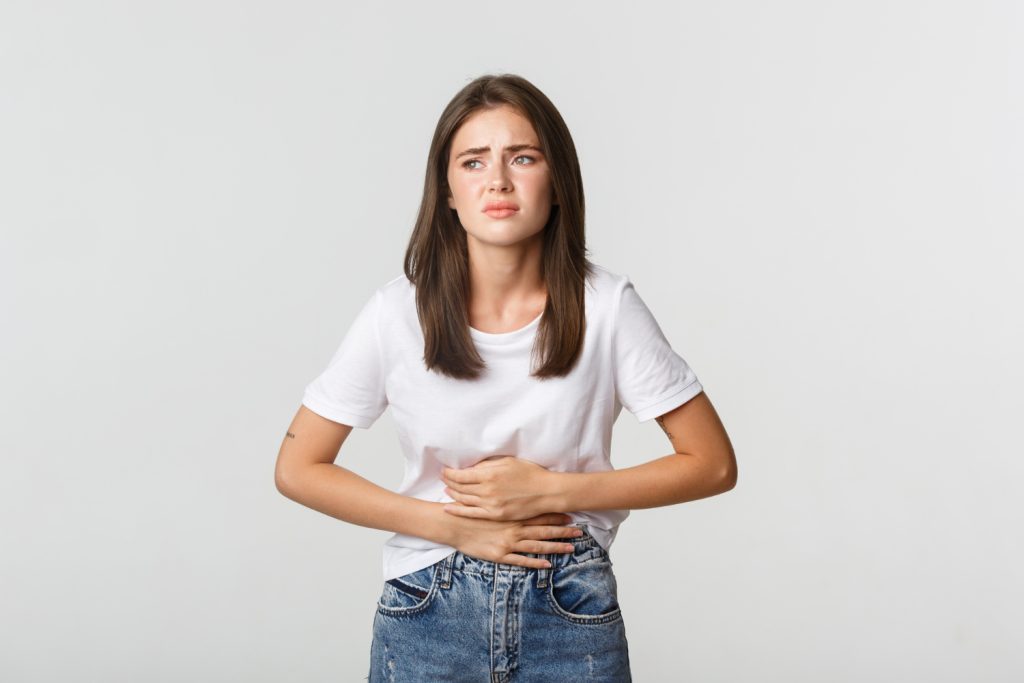
Irritable Bowel Syndrome with Diarrhea is a functional gastrointestinal disorder, meaning it affects how the digestive system works rather than causing structural damage. IBS-D is a subtype where diarrhea is the predominant symptom. It involves abdominal pain, cramping, bloating, and frequent loose or watery stools.
IBS-D is not life-threatening, but it can be distressing and debilitating. It commonly starts in early adulthood and affects more women than men.
2. Symptoms of IBS-D
While symptoms can vary from person to person, the hallmark features of IBS-D include:
A. Frequent Diarrhea
- Urgent need to use the bathroom.
- Loose or watery stools occurring more than three times a day.
B. Abdominal Pain or Cramping
- Typically in the lower abdomen.
- Often relieved after a bowel movement.
C. Bloating and Gas
- Feeling of fullness and visible swelling in the abdomen.
D. Urgency and Incontinence
- Sudden, uncontrollable need to pass stool.
- Occasional loss of bowel control in severe cases.
E. Mucus in Stool
- Presence of white or clear mucus in the bowel movements.
F. Incomplete Evacuation
- Feeling as though the bowel hasn’t been fully emptied after going to the bathroom.
G. Triggered by Stress or Certain Foods
- Symptoms may worsen due to emotional stress or consumption of specific foods like caffeine, alcohol, or dairy.
3. Causes of IBS-D
The exact cause of IBS-D is not fully understood. However, several factors are believed to play a role:
A. Gut-Brain Axis Dysfunction
There is a complex communication system between the gut and the brain. In IBS-D, this connection is thought to become dysregulated, leading to abnormal bowel movements.
B. Abnormal Gut Motility
The intestines may contract more frequently or forcefully, pushing waste through the colon too quickly and causing diarrhea.
C. Hypersensitivity of the Gut
People with IBS-D may have heightened sensitivity in their intestinal nerves, causing increased pain and discomfort from normal digestive processes.
D. Infections and Gastroenteritis
A previous gastrointestinal infection (post-infectious IBS) may trigger ongoing IBS-D symptoms.
E. Imbalance in Gut Microbiota
Alterations in the gut bacterial flora can contribute to digestive dysfunction and symptoms of IBS.
F. Food Sensitivities
Certain foods, such as gluten, lactose, or artificial sweeteners, may trigger symptoms.
G. Psychological Factors
Stress, anxiety, and depression can exacerbate symptoms and are commonly linked with IBS-D.
4. Types and Subtypes of IBS
IBS is categorized based on the predominant bowel pattern:
- IBS-D (Diarrhea-predominant): Loose stools more than 25% of the time, with hard stools less than 25%.
- IBS-C (Constipation-predominant): Hard stools more than 25% of the time.
- IBS-M (Mixed type): Both diarrhea and constipation.
- IBS-U (Unclassified): Doesn’t fit the above patterns.
5. Diagnosis of IBS-D
Irritable Bowel Syndrome with Diarrhea is diagnosed based on symptoms and the exclusion of other conditions. A combination of patient history, physical examination, and diagnostic tests is used.
A. Rome IV Criteria
To be diagnosed with IBS, the patient must have had recurrent abdominal pain at least one day per week in the last three months, associated with two or more of the following:
- Pain related to defecation.
- Change in stool frequency.
- Change in stool form (appearance).
B. Medical History and Physical Exam
Your doctor will ask about your symptoms, dietary habits, emotional health, and family history.
C. Diagnostic Tests
- Stool Tests: To rule out infection, parasites, or inflammation.
- Blood Tests: To check for anemia, infection, or celiac disease.
- Colonoscopy/Sigmoidoscopy: In older adults or if symptoms are severe.
- Lactose intolerance test.
D. Red Flag Symptoms (That Need Immediate Attention)
- Unintended weight loss.
- Rectal bleeding.
- Persistent pain not relieved by bowel movements.
- Anemia.
- Family history of colorectal cancer or IBD.
6. Treatment Options for IBS-D
Managing Irritable Bowel Syndrome with Diarrhea typically requires a combination of medical, dietary, and lifestyle strategies.
A. Medical Treatments
- Antidiarrheal Medications
- Loperamide (Imodium): Reduces stool frequency and urgency.
- Antispasmodics
- Hyoscyamine, Dicyclomine: Relieve cramping and spasms.
- Bile Acid Binders
- For patients with bile acid malabsorption contributing to diarrhea.
- Antidepressants
- Tricyclic antidepressants (e.g., Amitriptyline): Low-dose use can help with pain and diarrhea.
- Rifaximin
- A non-absorbed antibiotic for IBS-D with suspected small intestinal bacterial overgrowth (SIBO).
- Eluxadoline (Viberzi)
- Targets the gut’s opioid receptors to reduce diarrhea.
- Alosetron (Lotronex)
- Approved only for women with severe IBS-D unresponsive to other treatments.
B. Dietary Modifications
- Low-FODMAP Diet
- Avoids fermentable sugars like fructose, lactose, and polyols which worsen IBS symptoms.
- Gluten-Free Diet
- Helps some IBS-D patients even without celiac disease.
- Lactose-Free Diet
- Especially helpful for those with lactose intolerance.
- High-Fiber vs. Low-Fiber
- Soluble fiber (e.g., oats, bananas) is beneficial.
- Insoluble fiber (e.g., bran) may worsen symptoms.
- Hydration
- Prevent dehydration from frequent diarrhea.
C. Natural Remedies and Supplements
- Peppermint Oil
- Relaxing effect on intestinal muscles; effective in reducing spasms and pain.
- Probiotics
- Help restore healthy gut bacteria; strains like Bifidobacterium infantis are promising.
- Digestive Enzymes
- May assist in breaking down food and reducing symptoms.
- Herbal Teas
- Chamomile, fennel, and ginger teas can soothe the digestive tract.
D. Lifestyle Changes
- Stress Management
- Yoga, meditation, and cognitive behavioral therapy (CBT) can improve symptoms.
- Exercise
- Regular physical activity promotes healthy bowel function.
- Sleep Hygiene
- Adequate, restful sleep supports digestive health.
- Food Diary
- Helps identify and eliminate triggers.
7. When to See a Doctor
Although Irritable Bowel Syndrome with Diarrhea can often be managed with lifestyle and dietary changes, it’s important to consult a healthcare provider if you experience:
- Symptoms that persist or worsen.
- Blood in stool.
- Significant weight loss.
- Nighttime diarrhea.
- Signs of malnutrition.
These may indicate a more serious condition such as IBD (Crohn’s or ulcerative colitis), celiac disease, or colorectal cancer.
8. Living with IBS-D
Managing IBS-D requires a proactive and personalized approach. Here are some practical tips:
A. Plan Ahead
- Know where restrooms are located.
- Carry emergency supplies like wet wipes and extra clothing.
B. Social Situations
- Communicate your dietary restrictions in restaurants or events.
- Avoid trigger foods when dining out.
C. Emotional Support
- Join support groups or therapy to cope with emotional stress.
- Talk openly with loved ones.
D. Work and Productivity
- Consider flexible work schedules.
- Speak with HR about workplace accommodations if necessary.
9. Final Thoughts
Irritable Bowel Syndrome with Diarrhea is a chronic but manageable condition. With the right combination of medical treatments, dietary changes, and stress management techniques, most people can lead full, active lives. Early diagnosis, patient education, and personalized care plans are essential for long-term relief and improved quality of life.
If you or someone you know is struggling with unexplained digestive symptoms, don’t ignore them. Speak with a healthcare provider to get an accurate diagnosis and begin an effective treatment plan.
Frequently Asked Questions (FAQs) About Irritable Bowel Syndrome with Diarrhea
What is IBS-D?
IBS-D stands for Irritable Bowel Syndrome with Diarrhea. It’s a chronic digestive disorder where diarrhea is the dominant symptom, often accompanied by abdominal pain, bloating, and urgency.
What causes IBS-D?
While the exact cause is unknown, factors like gut-brain communication issues, food sensitivities, stress, infections, and imbalanced gut bacteria may contribute to
How is IBS-D different from regular diarrhea?
Regular diarrhea is often short-term and caused by infections or food poisoning. IBS-D is long-lasting and recurrent, and is part of a functional gut disorder not related to structural damage.
Is IBS-D a serious condition?
Irritable Bowel Syndrome with Diarrhea isn’t life-threatening, but it can significantly affect quality of life. It requires proper management to control symptoms and avoid complications like dehydration or anxiety.
What are common IBS-D symptoms?
Common symptoms include:
Frequent loose stools
Abdominal pain
Bloating and gas
Sudden bowel urgency
Mucus in stool
Can stress trigger IBS-D symptoms?
Yes, emotional stress is a common trigger. Stress affects gut motility and sensitivity, making IBS-D symptoms worse during anxious or high-stress periods.
What foods should I avoid with IBS-D?
Avoid high-FODMAP foods such as:
Onions and garlic
Beans and lentils
Dairy (if lactose intolerant)
Artificial sweeteners (like sorbitol)
Fatty and fried foods
How is IBS-D diagnosed?
Doctors use the Rome IV Criteria along with symptom history. Tests like blood work, stool analysis, and colonoscopy may be used to rule out other conditions like IBD or infections.
Is IBS-D curable?
There is no permanent cure for IBS-D, but symptoms can be effectively managed with diet changes, medications, probiotics, and stress reduction techniques.
What medications help treat IBS-D?
Common medications include:
Loperamide (Imodium) for diarrhea
Antispasmodics for cramps
Rifaximin (an antibiotic for gut bacteria)
Eluxadoline and Alosetron (for severe cases)
Low-dose antidepressants
Are natural remedies effective for IBS-D?
Yes, many people find relief with natural approaches like:
Peppermint oil capsules
Probiotics for gut health
Herbal teas (chamomile, fennel)
Acupuncture
Mind-body practices like yoga or meditation
Can IBS-D lead to other health problems?
IBS-D itself doesn’t cause serious diseases, but if unmanaged, it may lead to dehydration, nutrient deficiencies, or anxiety and depression due to its impact on daily life.
What is the best diet for IBS-D?
The Low-FODMAP diet is often recommended. It limits fermentable carbs that irritate the gut. Consulting a dietitian can help identify specific food triggers.
How does IBS-D affect daily life?
It can interfere with:
Work productivity
Travel plans
Social activities
Mental health
However, with proper treatment and planning, most people can manage it well.
When should I see a doctor for IBS-D?
Seek medical help if you experience:
Blood in stool
Severe or nighttime diarrhea
Unintended weight loss
Persistent pain
Family history of digestive diseases
These could indicate a more serious condition that needs evaluation.
For more details keep visiting our Website & Facebook Page.