
Iron Deficiency Anemia: Symptoms, Causes, Types, Diagnosis, and Treatments
Iron deficiency anemia (IDA) is one of the most common nutritional disorders worldwide, affecting millions of people across all age groups. It arises when the body lacks adequate iron to produce sufficient healthy red blood cells, leading to decreased oxygen transport to tissues. Despite being common, iron deficiency anemia can cause significant health issues if left untreated, including fatigue, weakened immunity, and impaired cognitive function.
This comprehensive article will delve into the symptoms, causes, types, diagnosis, and treatment options of iron deficiency anemia, empowering you with the knowledge to understand this condition better.
What is Iron Deficiency Anemia?
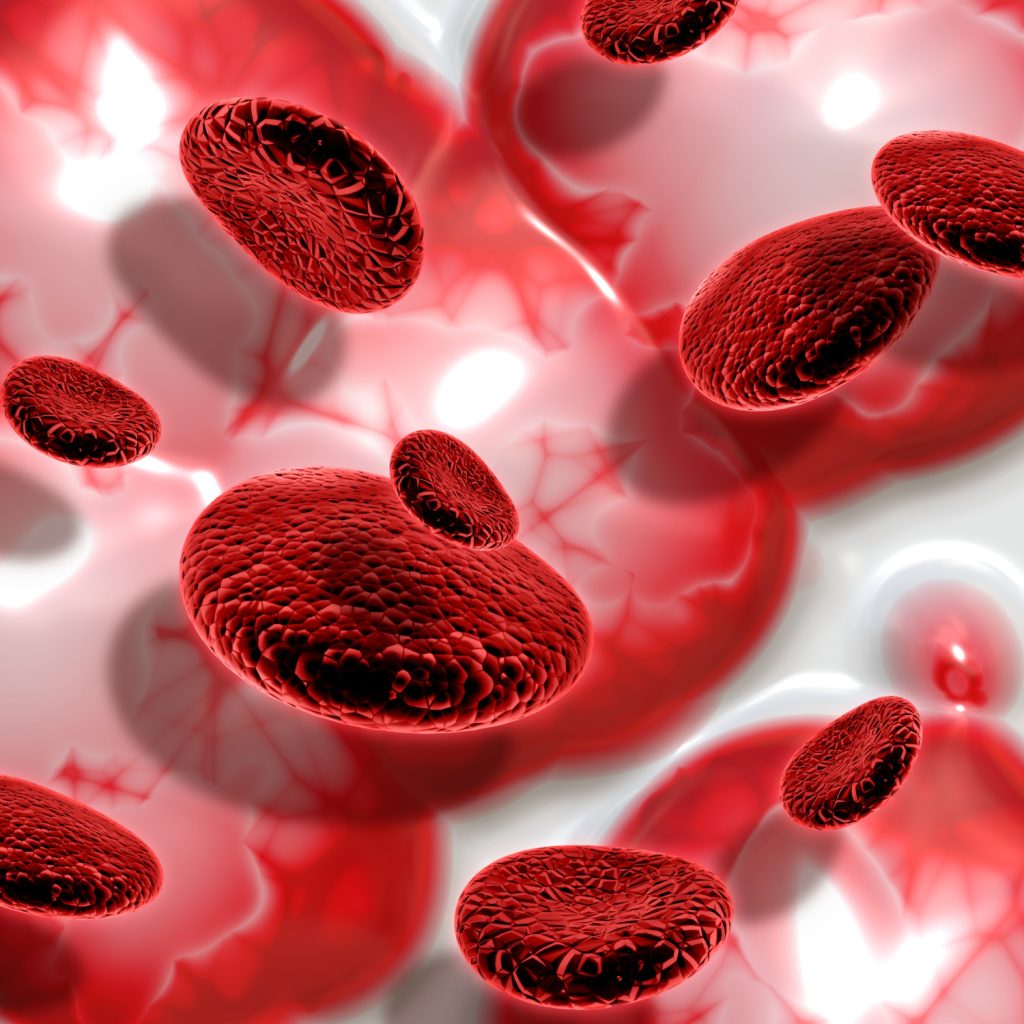
Iron deficiency anemia is a condition characterized by a reduced number of red blood cells (RBCs) or hemoglobin levels due to insufficient iron in the body. Hemoglobin is an iron-rich protein in RBCs responsible for carrying oxygen from the lungs to the rest of the body. Without enough iron, your body cannot produce enough hemoglobin, leading to anemia.
Why is Iron Important?
Iron plays a crucial role in many biological functions, including:
- Oxygen transport: Hemoglobin in RBCs contains iron, which binds oxygen molecules.
- Energy metabolism: Iron-containing enzymes help produce energy in cells.
- Immune system function: Iron is essential for a healthy immune response.
- Cognitive development: Iron supports brain function and development, especially in children.
When iron levels drop, the body struggles to keep up with oxygen demands, resulting in the symptoms of anemia.
Symptoms of Iron Deficiency Anemia
The symptoms of iron deficiency anemia can vary from mild to severe and often develop gradually. Early signs might be subtle and overlooked but can progress if untreated.
Common Symptoms
- Fatigue and Weakness: The most common symptom. Reduced oxygen delivery to muscles and tissues causes tiredness.
- Pale Skin and Paleness of the Inner Eyelids: Decreased hemoglobin makes skin appear lighter.
- Shortness of Breath: Even mild exertion can cause breathlessness.
- Dizziness or Lightheadedness: Insufficient oxygen to the brain can cause dizziness.
- Cold Hands and Feet: Poor circulation and reduced oxygen delivery can make extremities feel cold.
- Headache: Oxygen deprivation in the brain can trigger headaches.
- Chest Pain and Palpitations: The heart works harder to pump oxygenated blood, potentially causing chest discomfort.
- Brittle Nails and Hair Loss: Iron deficiency affects keratin, weakening nails and hair.
- Swelling or Soreness of the Tongue and Mouth: Known as glossitis, often painful.
- Cravings for Non-Food Items (Pica): A unique symptom where people crave substances like ice, dirt, or starch.
- Restless Legs Syndrome: An uncomfortable urge to move legs, often worse at night.
Symptoms in Children
- Poor appetite
- Delayed growth and development
- Behavioral problems and irritability
- Learning difficulties
When to See a Doctor
If you experience persistent fatigue, pale skin, breathlessness, or any of the above symptoms, especially if they worsen, consult a healthcare provider for evaluation.
Causes of Iron Deficiency Anemia
Iron deficiency anemia results from a prolonged negative iron balance, where iron loss or demand exceeds intake. Several factors can contribute to this imbalance:
1. Inadequate Iron Intake
- Poor diet: Lack of iron-rich foods such as red meat, leafy greens, beans, and fortified cereals.
- Vegetarian or vegan diets: Plant-based iron (non-heme) is less readily absorbed than animal-based (heme) iron.
- Infants and young children: Rapid growth increases iron requirements that might not be met.
2. Increased Iron Requirements
- Pregnancy and lactation: The growing fetus and milk production require extra iron.
- Growth spurts: Adolescents may need more iron during rapid growth phases.
- Intense physical activity: Athletes may have higher iron needs.
3. Blood Loss
- Menstrual bleeding: Heavy or prolonged periods (menorrhagia) are a common cause in women.
- Gastrointestinal bleeding: Ulcers, gastritis, hemorrhoids, colon polyps, or cancers can cause occult bleeding.
- Trauma or surgery: Blood loss during injury or operations reduces iron stores.
- Frequent blood donations: Excessive donations without adequate iron replacement.
4. Impaired Iron Absorption
- Gastrointestinal disorders: Celiac disease, Crohn’s disease, or surgical removal of parts of the stomach or intestines reduce iron absorption.
- Medications: Proton pump inhibitors or antacids can reduce stomach acidity, impairing iron absorption.
- Parasitic infections: Hookworms or other parasites cause blood loss and interfere with absorption.
5. Chronic Diseases
Conditions like chronic kidney disease or cancer can cause anemia of chronic disease, often with iron deficiency.
Types of Iron Deficiency Anemia
While iron deficiency anemia is primarily caused by low iron, it can present in different ways:
1. Absolute Iron Deficiency
This occurs when total body iron stores are depleted due to insufficient intake, chronic blood loss, or malabsorption.
2. Functional Iron Deficiency
Here, iron stores might be adequate or even elevated, but the body cannot utilize iron properly, often seen in chronic inflammatory diseases.
3. Iron Deficiency with Anemia
This is the classic form where low iron leads to decreased hemoglobin and anemia symptoms.
Diagnosing Iron Deficiency Anemia
Accurate diagnosis involves clinical evaluation and laboratory tests.
Medical History and Physical Examination
Doctors review symptoms, diet, menstrual history, medication use, and signs of bleeding or chronic illness.
Laboratory Tests
- Complete Blood Count (CBC): Reveals low hemoglobin, hematocrit, and small (microcytic), pale (hypochromic) red blood cells.
- Serum Ferritin: Measures stored iron; low ferritin confirms iron deficiency.
- Serum Iron: Reflects circulating iron levels but fluctuates.
- Total Iron Binding Capacity (TIBC): Elevated in iron deficiency, indicating the blood’s capacity to bind iron.
- Transferrin Saturation: Percentage of transferrin (iron transport protein) bound to iron; low in deficiency.
- Peripheral Blood Smear: Examines shape and size of RBCs.
- Reticulocyte Count: Measures young RBCs; low in iron deficiency anemia.
- Additional tests: May include stool occult blood test to check for GI bleeding or endoscopy/colonoscopy if bleeding suspected.
Differential Diagnosis
Doctors rule out other causes of anemia such as vitamin B12 deficiency, folate deficiency, or anemia of chronic disease.
Treatment of Iron Deficiency Anemia
Treatment aims to replenish iron stores, correct anemia, and address underlying causes.
1. Dietary Modifications
Including iron-rich foods is crucial:
- Heme iron sources: Red meat, poultry, fish (better absorbed)
- Non-heme iron sources: Beans, lentils, spinach, fortified cereals, tofu
- Vitamin C-rich foods: Oranges, strawberries, bell peppers enhance iron absorption.
- Avoid inhibitors: Coffee, tea, and calcium-rich foods can reduce iron absorption if taken simultaneously.
2. Oral Iron Supplements
- The first-line treatment for most cases.
- Common forms: Ferrous sulfate, ferrous gluconate, ferrous fumarate.
- Dosage varies, usually 100-200 mg elemental iron daily.
- Taken on an empty stomach for better absorption but can be taken with food if causing stomach upset.
- Side effects: Constipation, nausea, dark stools.
- Duration: Typically continued for 3-6 months after hemoglobin normalizes to replenish stores.
3. Intravenous Iron Therapy
- Used when oral iron is ineffective, not tolerated, or in cases of severe anemia.
- Commonly given in hospitals or clinics.
- Advantages: Rapid replenishment.
- Risks: Allergic reactions, rare but serious.
4. Address Underlying Causes
- Treat sources of bleeding (e.g., ulcers, hemorrhoids).
- Manage chronic diseases causing inflammation.
- Adjust medications interfering with absorption.
5. Blood Transfusion
- Reserved for severe anemia with symptoms like heart failure or significant blood loss.
- Temporary measure; underlying iron deficiency still needs correction.
Prevention of Iron Deficiency Anemia
Prevention strategies focus on adequate iron intake and managing risk factors:
- Balanced diet: Rich in iron and vitamin C.
- Prenatal care: Iron supplements during pregnancy.
- Screening: For high-risk groups like menstruating women, pregnant women, infants, and vegetarians.
- Treat chronic diseases: Control bleeding and malabsorption conditions.
- Public health measures: Fortification of staple foods with iron in some countries.
Prognosis and Complications
With timely treatment, iron deficiency anemia usually resolves without complications. However, prolonged anemia can cause:
- Severe fatigue affecting daily life.
- Heart problems like enlargement or failure.
- Pregnancy complications like preterm delivery and low birth weight.
- Impaired cognitive and physical development in children.
- Increased susceptibility to infections.
Conclusion
Iron deficiency anemia is a widespread but preventable and treatable condition. Recognizing the symptoms early and seeking appropriate diagnosis is key to effective management. By understanding the causes and types of iron deficiency anemia, patients and caregivers can take proactive steps through diet, supplements, and medical treatment to restore health and prevent complications.
If you experience symptoms of anemia or are at risk, consult a healthcare professional for evaluation and personalized care.
Frequently Asked Questions (FAQs) About Iron Deficiency Anemia
What is iron deficiency anemia?
Iron deficiency anemia is a condition where your body lacks enough iron to produce healthy red blood cells, leading to reduced oxygen delivery to tissues and causing symptoms like fatigue and weakness.
What are the most common symptoms of iron deficiency anemia?
Typical symptoms include fatigue, pale skin, shortness of breath, dizziness, brittle nails, hair loss, and cravings for non-food items like ice or dirt (known as pica).
Who is most at risk for developing iron deficiency anemia?
Women with heavy menstrual periods, pregnant women, infants, young children, vegetarians, and people with chronic illnesses or gastrointestinal bleeding are at higher risk.
How is iron deficiency anemia diagnosed?
Doctors use blood tests such as a complete blood count (CBC), serum ferritin, serum iron, and total iron-binding capacity (TIBC) to confirm iron deficiency anemia.
Can iron deficiency anemia be cured?
Yes, with proper treatment including iron supplementation, dietary changes, and addressing the underlying cause, iron deficiency anemia can be effectively cured.
What foods are rich in iron?
Good sources of iron include red meat, poultry, fish, beans, lentils, spinach, fortified cereals, and foods rich in vitamin C, which help iron absorption.
How long does it take to recover from iron deficiency anemia?
Recovery usually takes a few weeks to months, depending on the severity and treatment adherence. Iron supplements are often continued for several months to restore iron stores.
Can iron supplements cause side effects?
Yes, some people experience side effects like constipation, nausea, stomach upset, or dark stools. Taking supplements with food or switching formulations can help reduce side effects.
When should I see a doctor for anemia symptoms?
If you experience persistent fatigue, breathlessness, dizziness, or pale skin, especially if symptoms worsen or are severe, consult a healthcare professional promptly.
Can iron deficiency anemia cause complications during pregnancy?
Yes, untreated anemia in pregnancy can lead to premature birth, low birth weight, and increased risk of infections in both mother and baby.
Is iron deficiency anemia hereditary?
Iron deficiency anemia itself is not inherited, but genetic conditions affecting iron absorption or blood production can increase susceptibility.
How does blood loss lead to iron deficiency anemia?
Chronic blood loss, such as from heavy menstruation or gastrointestinal bleeding, reduces the body’s iron stores, leading to anemia over time.
Can children develop iron deficiency anemia?
Yes, infants and young children are particularly vulnerable due to rapid growth and sometimes inadequate dietary iron intake.
Are there different types of iron deficiency anemia?
Yes, there is absolute iron deficiency (low iron stores) and functional iron deficiency, where iron is present but cannot be properly utilized by the body.
Can lifestyle changes help prevent iron deficiency anemia?
Absolutely! Eating a balanced diet rich in iron and vitamin C, managing chronic conditions, and routine health checkups can help prevent iron deficiency anemia.
For more details keep visiting our Website & Facebook Page.