
Low Blood Pressure: Symptoms, Causes, Types, Diagnosis, and Treatments
Low blood pressure, also known as hypotension, is a condition that often receives less attention compared to high blood pressure (hypertension), but it can be equally concerning, especially when accompanied by symptoms. Blood pressure that is too low can prevent your organs from receiving enough blood and oxygen, leading to potential complications. While in some cases low-blood pressure can be normal and even healthy, understanding its symptoms, causes, types, diagnostic process, and treatments is crucial for proper management and well-being.
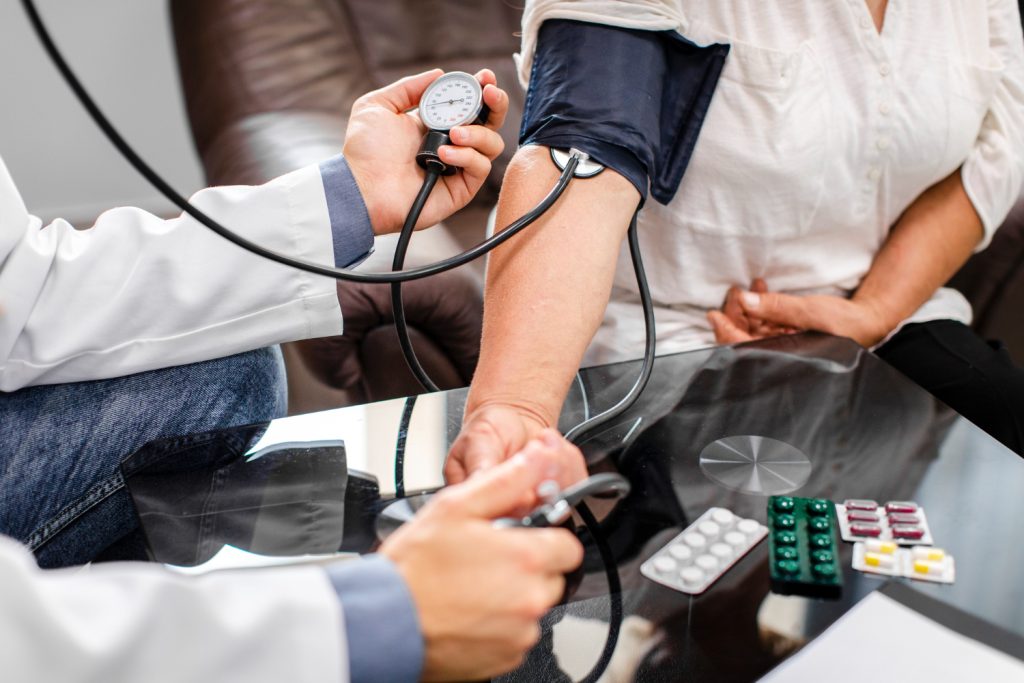
What is Low Blood Pressure (Hypotension)?
Blood pressure is the force exerted by circulating blood on the walls of the blood vessels. It is measured in millimeters of mercury (mm Hg) and represented as two numbers:
- Systolic pressure (upper number): pressure when the heart beats
- Diastolic pressure (lower number): pressure when the heart rests between beats
Normal blood pressure is around 120/80 mm Hg. Hypotension is typically defined as:
- Systolic less than 90 mm Hg
- Diastolic less than 60 mm Hg
However, these thresholds can vary depending on the individual, and not everyone with low readings will experience symptoms.
Symptoms of Low Blood Pressure
Many people with hypotension do not experience symptoms. However, when blood pressure drops too low and affects blood flow to vital organs, symptoms can appear suddenly and range from mild to severe.
Common Symptoms Include:
- Dizziness or lightheadedness
- Fainting (syncope)
- Blurred or narrowing vision
- Nausea
- Fatigue
- Lack of concentration
- Cold, clammy, pale skin
- Rapid, shallow breathing
- Depression
- Thirst (especially with dehydration-induced hypotension)
Symptoms may worsen when a person moves from a lying or sitting position to standing (orthostatic hypotension).
Causes of Low Blood Pressure
Low blood pressure can be a result of various factors, some temporary and benign, others chronic or life-threatening.
1. Dehydration
When the body loses more water than it takes in, such as during vomiting, diarrhea, excessive sweating, or fever, blood volume decreases, leading to a drop in pressure.
2. Heart Problems
Some heart conditions can lead to low-blood pressure:
- Extremely low heart rate (bradycardia)
- Heart valve problems
- Heart attack
- Heart failure
3. Endocrine Disorders
Hormonal imbalances can contribute to hypotension:
- Addison’s disease (adrenal insufficiency)
- Hypothyroidism
- Diabetes-related complications
4. Blood Loss
Significant blood loss from an injury or internal bleeding reduces the amount of blood circulating in the body.
5. Severe Infection (Septicemia)
When an infection enters the bloodstream, it can lead to septic shock, a dangerous drop in blood pressure.
6. Lack of Nutrients
Deficiencies in essential nutrients, such as vitamin B12, folate, and iron, can cause anemia, leading to low blood pressure.
7. Pregnancy
During pregnancy, the circulatory system expands rapidly, often causing blood pressure to drop. This is usually temporary.
8. Medications
Certain medications can lower blood pressure as a side effect:
- Diuretics
- Beta-blockers
- ACE inhibitors
- Alpha blockers
- Antidepressants
- Drugs for Parkinson’s disease
- Erectile dysfunction medications (especially when combined with nitroglycerin)
9. Allergic Reactions (Anaphylaxis)
Severe allergic reactions can cause a sudden drop in blood pressure, along with swelling, breathing difficulties, and rashes.
10. Postural Changes
Sudden changes in position, such as standing up too quickly, can lead to orthostatic hypotension.
Types of Low Blood Pressure
Understanding the different types of hypotension is key to diagnosing and managing the condition effectively.
1. Orthostatic Hypotension (Postural Hypotension)
- A drop in blood pressure upon standing up
- Common in older adults
- May result from dehydration, prolonged bed rest, or neurological disorders
2. Postprandial Hypotension
- Drop in blood pressure after eating
- More common in older people
- Related to blood pooling in the digestive system
3. Neurally Mediated Hypotension (NMH)
- Affects children and young adults
- Triggered by standing for long periods or emotional stress
- Caused by miscommunication between the heart and brain
4. Severe Hypotension (Shock)
- Life-threatening
- Caused by trauma, severe infection, anaphylaxis, or massive blood loss
- Requires immediate medical attention
5. Chronic Hypotension Without Symptoms
- Some individuals naturally have low blood pressure with no symptoms
- May be considered normal and not require treatment
Diagnosis of Low Blood Pressure
Diagnosing hypotension involves evaluating the patient’s history, physical examination, and diagnostic tests.
1. Medical History
- Review symptoms, medication use, and family history
- Check for recent illnesses or changes in lifestyle
2. Physical Examination
- Blood pressure readings (sitting, lying, and standing)
- Heart rate and respiratory rate
- Neurological and cardiovascular assessment
3. Blood Tests
- Check for anemia, low blood sugar, or vitamin deficiencies
- Evaluate kidney and liver function
4. Electrocardiogram (ECG)
- Detects heart rhythm problems or past heart attacks
5. Echocardiogram
- Ultrasound of the heart to assess its function and structure
6. Tilt Table Test
- Evaluates how blood pressure and heart rate respond to changes in posture
7. Stress Test
- Measures how the heart performs during physical activity
Treatment of Low Blood Pressure
Treatment depends on the underlying cause and severity of symptoms. Asymptomatic low blood pressure may not require any intervention.
1. Lifestyle Modifications
a. Eat Small, Frequent Meals
Larger meals can divert blood to the digestive tract, causing postprandial hypotension. Smaller meals help maintain stable pressure.
b. Increase Salt Intake (With Doctor’s Approval)
Salt increases blood volume. This should be monitored to avoid excess.
c. Stay Hydrated
Adequate fluid intake increases blood volume and prevents dehydration.
d. Avoid Alcohol
Alcohol can lower blood pressure further and should be avoided in hypotensive individuals.
e. Slow Position Changes
Moving gradually from lying or sitting to standing helps prevent dizziness and fainting.
f. Wear Compression Stockings
These help reduce blood pooling in the legs and improve circulation.
2. Medications
If lifestyle changes aren’t enough, doctors may prescribe medications:
a. Fludrocortisone
- Helps retain sodium, increasing blood volume
- Useful in many forms of hypotension
b. Midodrine
- Narrows blood vessels to raise blood pressure
- Often prescribed for orthostatic hypotension
c. Erythropoietin
- Sometimes used to treat anemia-induced hypotension
3. Treat Underlying Conditions
If hypotension is due to another condition, such as adrenal insufficiency, diabetes, or heart disease, managing that illness will usually help stabilize blood pressure.
Complications of Low Blood Pressure
While low blood pressure might seem less dangerous than hypertension, it can lead to significant health risks if left unaddressed.
1. Falls and Injuries
Dizziness and fainting can cause dangerous falls, especially in older adults.
2. Shock
Critically low blood pressure can deprive vital organs of oxygen, leading to life-threatening organ failure.
3. Cognitive Impairment
Chronic low blood pressure may affect brain function, especially in the elderly.
4. Kidney and Heart Damage
Insufficient blood flow can impair organ function, especially in the kidneys and heart.
When to See a Doctor
Consult a healthcare provider if you experience:
- Frequent dizziness or fainting
- Confusion or blurry vision
- Ongoing fatigue
- Cold, clammy skin
- Rapid or shallow breathing
Seek emergency care if symptoms occur suddenly, are severe, or are associated with chest pain, shortness of breath, or loss of consciousness.
Low Blood Pressure in Children and Teens
Hypotension in children and adolescents is less common but can occur due to:
- Dehydration
- Infection
- Nutritional deficiencies
- Genetic predispositions
- Long periods of standing (vasovagal syncope)
Symptoms and treatment are similar to those in adults, but evaluation by a pediatrician is essential.
Preventing Low Blood Pressure
While not all forms of hypotension are preventable, you can reduce your risk with these strategies:
- Drink plenty of water
- Avoid prolonged standing
- Manage chronic conditions like diabetes and thyroid disorders
- Maintain a balanced diet rich in vitamins and minerals
- Exercise regularly to improve circulation
- Monitor medications and adjust doses if needed
- Avoid exposure to extreme heat, which can cause blood vessels to dilate and lower pressure
FAQs on Low Blood Pressure
1. Is low blood pressure always dangerous?
Not necessarily. Some people have naturally low blood pressure with no symptoms. It becomes concerning when accompanied by dizziness, fainting, or other signs of poor circulation.
2. Can low blood pressure cause a stroke?
While high blood pressure is a more common cause, extremely low blood pressure can also reduce blood flow to the brain, potentially increasing the risk of ischemic events.
3. Can drinking coffee raise low blood pressure?
Caffeine can temporarily raise blood pressure in some individuals, but it’s not a long-term solution.
4. Should I stop exercising if I have hypotension?
Exercise can actually help improve circulation and cardiovascular health. However, you should consult your doctor to create a safe and personalized fitness plan.
5. Can low blood pressure be cured?
There’s no universal cure, but many cases can be managed effectively through lifestyle changes, medication, and treating the root cause.
Conclusion
Low blood pressure, though often overlooked, can impact your quality of life and in severe cases, pose serious health risks. Understanding the symptoms, causes, types, and treatment options can empower you to take proactive steps toward better health. Whether your hypotension is a benign quirk of your physiology or a sign of a deeper issue, paying attention to how you feel and seeking timely medical advice is essential.
If you suspect you may have low blood pressure or are experiencing any troubling symptoms, don’t ignore them. Consult a healthcare provider for a thorough evaluation and personalized care plan.
Frequently Asked Questions (FAQs) About Low Blood Pressure
What is considered low blood pressure?
Low blood pressure, or hypotension, is generally defined as a reading below 90/60 mmHg. However, what’s “low” can vary depending on the person.
an low blood pressure be dangerous?
While often harmless, very low blood pressure can cause symptoms like dizziness and fainting and may indicate serious health issues needing medical attention.
What are common symptoms of low blood pressure?
Symptoms include dizziness, fainting, blurred vision, fatigue, nausea, and cold or clammy skin.
What causes low blood pressure?
Causes range from dehydration and heart problems to medications, endocrine disorders, blood loss, and certain infections.
How is low blood pressure diagnosed?
Diagnosis involves measuring blood pressure in different positions, reviewing symptoms, blood tests, ECG, and sometimes a tilt table test.
What is orthostatic hypotension?
It’s a type of low blood pressure that happens when standing up quickly, causing dizziness due to blood pooling in the legs.
Can medications cause low blood pressure?
Yes, drugs like diuretics, beta blockers, antidepressants, and some Parkinson’s medications can lower blood pressure.
How can I prevent low blood pressure?
Staying hydrated, rising slowly from sitting or lying positions, avoiding excessive alcohol, and managing underlying conditions help prevent hypotension.
Is low blood pressure common during pregnancy?
Yes, blood pressure often drops in early pregnancy due to changes in the circulatory system but usually resolves later on.
What treatments are available for low blood pressure?
Treatments include lifestyle changes like increased fluid and salt intake, compression stockings, medications like fludrocortisone, and treating underlying causes.
When should I see a doctor for low blood pressure?
If you experience frequent dizziness, fainting, confusion, or symptoms interfering with daily life, seek medical advice promptly.
Can athletes have low blood pressure?
Yes, athletes often have naturally low blood pressure due to their high cardiovascular fitness, usually without symptoms.
What is neurally mediated hypotension?
It’s a condition where blood pressure drops after standing for long periods due to nervous system miscommunication.
Can low blood pressure cause fatigue?
Yes, insufficient blood flow to organs and muscles can result in tiredness and weakness.
Is low blood pressure hereditary?
Low blood pressure can run in families, but it’s often influenced by lifestyle and other health factors.
For more details keep visiting our Website & Facebook Page.