
Orthodontics: Comprehensive Guide to Symptoms, Causes, Types, Diagnosis, and Treatments
Orthodontics is a specialized branch of dentistry focused on diagnosing, preventing, and correcting misaligned teeth and jaws. Properly aligned teeth are not only essential for a confident smile but also crucial for oral health, speech, and overall well-being. This article explores everything you need to know about orthodontics, from identifying symptoms to understanding treatment options.
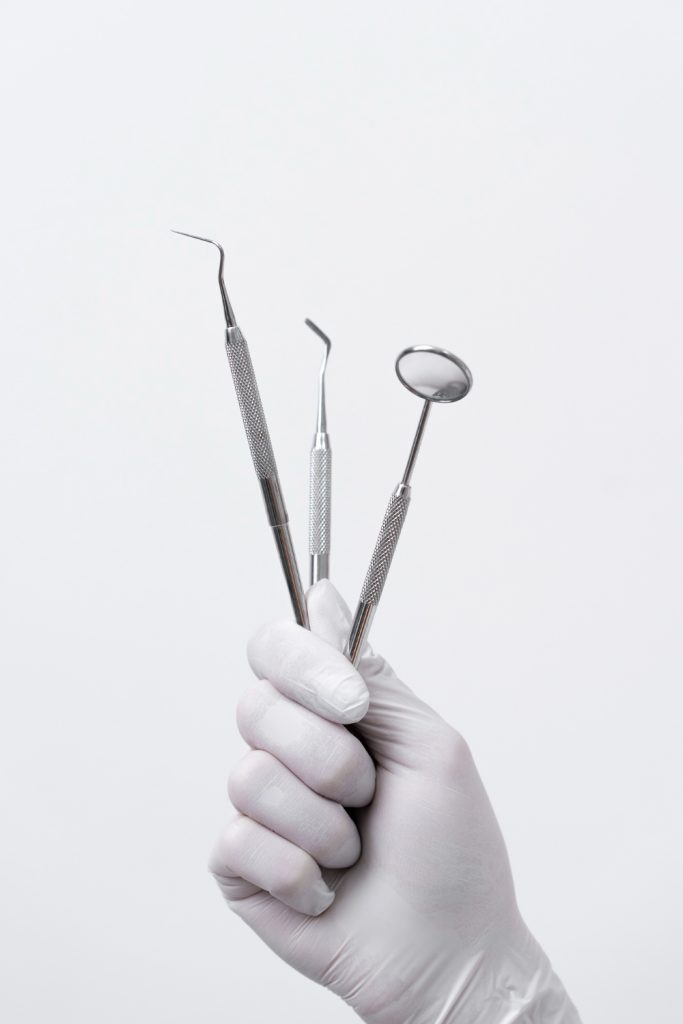
What is Orthodontics?
Orthodontics is a dental specialty that deals with the correction of irregularities of the teeth and jaws. The primary goal is to improve function, aesthetics, and health by aligning teeth properly. Misaligned teeth can lead to problems such as difficulty chewing, speech impediments, increased risk of tooth decay, and jaw pain.
Orthodontists use various tools such as braces, aligners, and retainers to move teeth into their correct positions. These treatments can be applied to children, adolescents, and adults alike.
Symptoms of Malocclusion (Misaligned Teeth)
Recognizing the symptoms of malocclusion early can help in seeking timely orthodontic intervention. Some common symptoms include:
1. Crooked or Crowded Teeth
Teeth that overlap, twist, or crowd together due to insufficient space in the mouth.
2. Overbite or Underbite
An overbite occurs when the upper front teeth excessively overlap the lower teeth, whereas an underbite is when the lower front teeth protrude beyond the upper teeth.
3. Open Bite
A condition where the upper and lower teeth do not touch when the mouth is closed, leaving a gap.
4. Crossbite
When some upper teeth fall inside the lower teeth instead of outside when biting down.
5. Difficulty Chewing or Biting
Misalignment can make it hard to chew food properly or bite into things.
6. Speech Difficulties
Certain dental irregularities can affect speech, causing lisping or difficulty pronouncing certain sounds.
7. Jaw Pain or Clicking
Misalignment can lead to strain in the jaw muscles and temporomandibular joint (TMJ), causing pain, clicking, or popping sounds.
8. Frequent Biting of the Inner Cheeks or Tongue
Crooked teeth can cause accidental biting of soft tissues inside the mouth.
9. Teeth Grinding or Clenching
Known as bruxism, this can be related to improper bite alignment.
If you or your child experience any of these symptoms, consulting an orthodontist can provide clarity and guidance.
Causes of Orthodontic Problems
Several factors contribute to malocclusion and orthodontic issues. These include genetic, developmental, and environmental causes.
1. Genetics and Heredity
Many orthodontic problems run in families. Jaw size, teeth size, and overall dental structure can be inherited, increasing the risk of crowding, spacing, or bite issues.
2. Childhood Habits
Prolonged habits such as thumb sucking, pacifier use beyond age 3, or tongue thrusting can affect teeth alignment and jaw development.
3. Premature Loss of Baby Teeth
Losing baby teeth too early due to trauma or decay can cause neighboring teeth to shift into empty spaces, leading to crowding.
4. Injury or Trauma
Accidents that injure the jaw or teeth can disrupt normal alignment.
5. Abnormal Jaw Growth
Disproportionate growth of the upper or lower jaw can cause underbite, overbite, or crossbite.
6. Poor Oral Habits
Mouth breathing, lip biting, or improper swallowing patterns can influence dental development.
7. Impacted Teeth
Teeth that fail to erupt properly due to lack of space or obstruction can cause misalignment.
8. Tumors or Cysts
Rarely, growths in the jaw can affect tooth positioning.
Understanding the root cause helps the orthodontist tailor the most effective treatment plan.
Types of Orthodontic Problems and Malocclusion
Malocclusion is broadly categorized by the type of bite problem. Each type has distinct characteristics and treatment considerations.
Class I Malocclusion (Neutrocclusion)
This is the most common type where the bite is normal but teeth may be crooked, crowded, or have gaps. The molar relationship is correct, but individual teeth issues cause misalignment.
Class II Malocclusion (Distocclusion)
The upper jaw and teeth significantly overlap the lower jaw and teeth, often causing an overbite. This can make the chin appear recessed.
Class III Malocclusion (Mesiocclusion)
The lower jaw protrudes forward causing an underbite where the lower teeth overlap the upper teeth. This can give the appearance of a prominent chin.
Open Bite
There is a vertical gap between the front or back teeth when the mouth is closed, preventing proper biting.
Crossbite
Some upper teeth sit inside the lower teeth when biting down, which can affect a few or all teeth on one or both sides.
Crowding
When there is not enough space in the jaw for all the teeth, they become crowded or overlap.
Spacing
Excess space between teeth, which may occur due to missing teeth or smaller teeth relative to jaw size.
Midline Misalignment
When the center line of the upper front teeth does not align with the center line of the lower front teeth.
Diagnosis of Orthodontic Conditions
Early diagnosis is key for effective orthodontic treatment. The orthodontist uses several methods for assessment:
1. Clinical Examination
A thorough visual and physical examination of teeth, gums, jaws, and bite.
2. Dental X-Rays
Panoramic and cephalometric X-rays help visualize tooth roots, jawbone, and skull structure.
3. Photographs
Photos of the face and teeth are taken from different angles for detailed analysis.
4. Dental Impressions or Digital Scans
Molds or digital impressions of the teeth are made to study alignment and to create custom appliances.
5. Bite Analysis
Evaluating how the upper and lower teeth come together.
6. Growth Assessment (in children)
Monitoring jaw and facial growth patterns over time.
The orthodontist combines these findings to form a comprehensive treatment plan.
Treatments in Orthodontics
Modern orthodontics offers multiple treatment options tailored to individual needs, age, and severity of the problem.
1. Traditional Metal Braces
Description
Metal brackets are glued to teeth and connected with a wire tightened periodically to move teeth gradually.
Advantages
- Highly effective for complex problems.
- Usually more affordable.
- Durable and reliable.
Disadvantages
- Visible and less aesthetic.
- May cause discomfort and irritation.
2. Ceramic Braces
Description
Works like metal braces but uses tooth-colored or clear brackets that blend with teeth.
Advantages
- Less noticeable.
- Effective for moderate cases.
Disadvantages
- Brackets are more fragile.
- May be more expensive.
3. Lingual Braces
Description
Braces placed on the inner (tongue) side of teeth, making them invisible from the outside.
Advantages
- Completely hidden.
- Custom-made for each patient.
Disadvantages
- More expensive.
- Can cause tongue irritation.
- Difficult to clean.
4. Clear Aligners (Invisalign)
Description
Removable, transparent plastic trays designed to fit over teeth and move them progressively.
Advantages
- Virtually invisible.
- Removable for eating and cleaning.
- Comfortable and smooth.
Disadvantages
- May not be suitable for severe cases.
- Requires discipline to wear 20-22 hours/day.
- Costlier than traditional braces.
5. Retainers
Description
Usually used after braces to maintain teeth position. Can be fixed or removable.
6. Palatal Expanders
Description
Used in children to widen the upper jaw for better teeth alignment.
7. Headgear
Description
External device used to correct bite and jaw alignment by exerting pressure on teeth and jaw.
8. Surgery (Orthognathic Surgery)
In severe skeletal discrepancies (Class II or III malocclusion), jaw surgery combined with orthodontics might be necessary to correct alignment.
Duration of Orthodontic Treatment
Treatment duration varies widely depending on:
- Severity of malocclusion
- Patient’s age
- Type of appliance used
- Patient compliance
On average, treatment lasts between 12 to 36 months. Retainers are often worn afterward to prevent relapse.
Caring for Orthodontic Appliances
Proper oral hygiene is vital during orthodontic treatment to avoid cavities, gum disease, and decalcification marks on teeth.
Tips Include:
- Brush teeth after every meal with a soft toothbrush.
- Use interdental brushes or floss threaders to clean between wires.
- Avoid sticky, hard, or sugary foods.
- Visit your orthodontist regularly for adjustments and check-ups.
Orthodontics for Adults
More adults are seeking orthodontic care to improve their smiles and oral health. Advances like clear aligners and discreet braces have made treatment more appealing. Orthodontic treatment can enhance confidence, improve bite function, and reduce future dental problems.
Benefits of Orthodontic Treatment
- Improved bite and chewing function
- Enhanced facial aesthetics and smile
- Better oral hygiene and reduced risk of cavities
- Relief from jaw pain or TMJ disorders
- Improved speech clarity
- Increased self-confidence
Conclusion
Orthodontics plays a crucial role in maintaining both the health and appearance of your teeth and jaws. Early detection and treatment of orthodontic problems can prevent complications and improve quality of life. Whether you have mild crowding or complex jaw misalignment, modern orthodontics offers tailored solutions to help you achieve a healthier, beautiful smile.
Frequently Asked Questions (FAQs) About Orthodontics
What is orthodontics and why is it important?
Orthodontics is a dental specialty that corrects misaligned teeth and jaws. It improves oral health, enhances smile aesthetics, and helps with biting, chewing, and speech.
At what age should I visit an orthodontist?
Children should have their first orthodontic checkup by age 7. However, orthodontic treatment can be effective at any age, including adulthood.
How do I know if I need orthodontic treatment?
Common signs include crooked teeth, overcrowding, overbite, underbite, difficulty chewing, jaw pain, or speech issues. A consultation with an orthodontist confirms the need.
What causes teeth to become crooked or misaligned?
Genetics, childhood habits like thumb sucking, premature loss of baby teeth, injury, and abnormal jaw growth are common causes.
What are the different types of orthodontic problems?
They include overbite, underbite, crossbite, open bite, crowding, spacing, and midline misalignment.
How is orthodontic diagnosis performed?
Through clinical exams, X-rays, photographs, dental impressions or digital scans, and bite analysis.
What are the most common orthodontic treatments?
Metal braces, ceramic braces, lingual braces, and clear aligners like Invisalign are popular options.
Are braces painful?
Braces may cause mild discomfort or soreness, especially after adjustments, but it usually subsides within a few days.
How long does orthodontic treatment usually last?
Treatment duration varies but generally lasts between 12 to 36 months depending on the complexity.
Can adults get orthodontic treatment?
Yes, adults can successfully undergo orthodontic treatment with options like clear aligners and discreet braces.
How do I care for my teeth during orthodontic treatment?
Maintain excellent oral hygiene by brushing after meals, flossing carefully, avoiding sticky or hard foods, and attending regular checkups.
What happens after braces are removed?
Patients typically wear retainers to maintain teeth alignment and prevent relapse.
Are clear aligners as effective as traditional braces?
Clear aligners are effective for mild to moderate cases but may not be suitable for severe orthodontic issues.
Can orthodontic treatment improve jaw pain or TMJ disorders?
In some cases, correcting bite alignment can relieve jaw pain and reduce TMJ symptoms.
Is orthodontic treatment covered by dental insurance?
Coverage varies by plan and region; some insurance policies partially cover orthodontic treatment, especially for children.
For more details keep visiting our Website & Facebook Page.