
Sudden Infant Death Syndrome (SIDS): A Comprehensive Guide for Parents and Caregivers
Introduction
Sudden Infant Death Syndrome (SIDS), often referred to as “crib death,” is one of the most devastating and mysterious causes of infant mortality. It is the sudden and unexplained death of an apparently healthy baby, typically during sleep, and usually occurs in infants under one year of age. Despite advances in research and healthcare, SIDS remains a heartbreaking and perplexing phenomenon.
In this article, we will explore Sudden Infant Death Syndrome in detail — including its symptoms, causes, types, risk factors, diagnostic approach, prevention strategies, and supportive measures for affected families. Understanding this condition is vital for parents, caregivers, and healthcare providers to reduce risks and provide a safe sleep environment for infants.
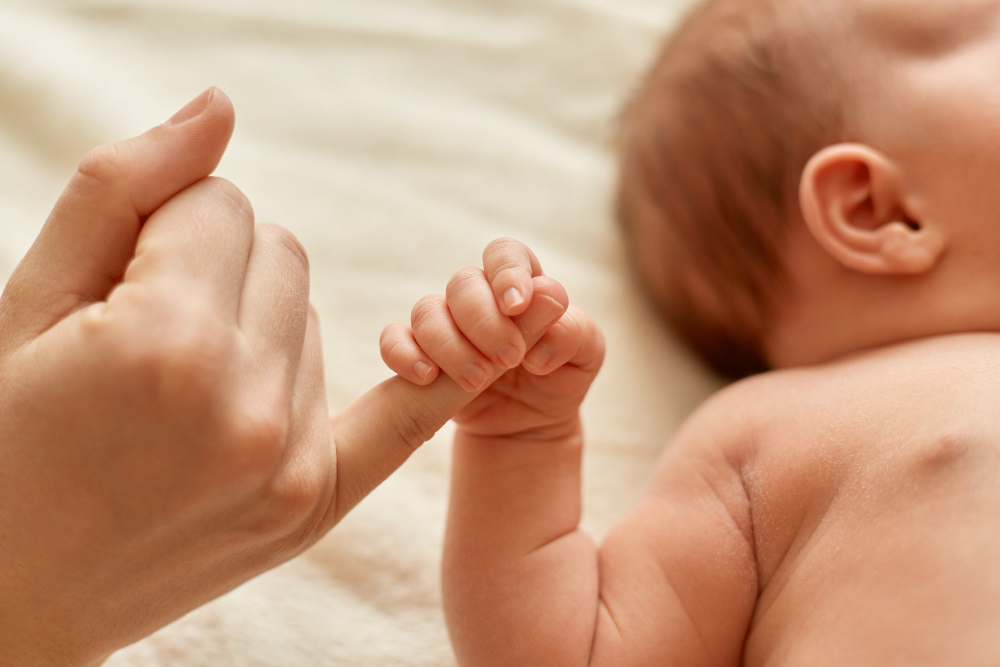
What is Sudden Infant Death Syndrome?
Sudden Infant Death Syndrome (SIDS) is defined as the sudden and unexplained death of an infant less than one year of age that remains unexplained even after a thorough investigation, including:
- A complete autopsy
- Examination of the death scene
- Review of the infant’s medical history
Sudden Infant Death Syndrome is part of a larger category known as Sudden Unexpected Infant Death (SUID), which includes explained causes such as suffocation and infections, as well as unexplained deaths like SIDS.
Epidemiology and Statistics
- SIDS is the leading cause of death in infants between 1 month and 12 months of age.
- Most SIDS deaths occur between 2 and 4 months of age.
- Boys are slightly more likely to die from SIDS than girls.
- It often occurs during sleep, especially in the early morning hours.
- The incidence of SIDS has decreased significantly in countries where safe sleep campaigns have been promoted.
Symptoms of SIDS
Sudden Infant Death Syndrome, by definition, occurs without warning signs. A baby who succumbs to SIDS is often perceived as healthy prior to the event. However, there are some indirect indicators or associated observations:
- Baby is found not breathing during sleep
- Bluish or pale skin
- Foamy fluids from the mouth or nose
- Limp or lifeless body
- No signs of struggle or distress
- Baby was put to bed normally and later found unresponsive
Since SIDS occurs suddenly and silently, without any struggle or visible discomfort, it is often diagnosed after all other possible causes of death are ruled out.
Causes and Risk Factors
Though the exact cause of SIDS remains unknown, experts believe that it may result from a combination of factors. These include biological vulnerabilities, environmental stressors, and critical developmental periods.
1. Biological Factors
Some infants may be born with underlying brain abnormalities that affect the brain’s ability to control breathing, heart rate, and arousal from sleep.
- Immature brainstem development
- Genetic mutations (e.g., affecting cardiac or respiratory control)
- Premature birth and low birth weight
- Serotonin abnormalities
2. Sleep Environment Risks
Unsafe sleep conditions significantly increase the risk of SIDS:
- Sleeping on the stomach (prone position)
- Sleeping on soft surfaces (e.g., couches, pillows, or loose bedding)
- Bed-sharing with parents or siblings
- Overheating due to heavy blankets or warm rooms
3. Maternal and Prenatal Risk Factors
- Smoking during pregnancy
- Use of drugs or alcohol during pregnancy
- Inadequate prenatal care
- Young maternal age (especially under 20)
4. Postnatal Risk Factors
- Exposure to secondhand smoke
- Infections (e.g., colds or respiratory infections)
- Being born in winter (higher incidence in colder months)
5. Demographic and Socioeconomic Factors
- Higher incidence in African American, Native American, and Alaskan Native populations
- Lower socioeconomic status, which may affect access to education or healthcare
- Male infants (60% of SIDS cases are boys)
Types of Sudden Infant Death
While Sudden Infant Death Syndrome is the most recognized form of sudden infant death, it is part of a broader spectrum:
1. SIDS (Classic)
- Unexplained death in a previously healthy infant
- Occurs during sleep
- No identifiable cause after autopsy and investigation
2. SUID (Sudden Unexpected Infant Death)
- Includes all unexpected infant deaths, explained and unexplained
- Some SUIDs may be due to accidental suffocation, infections, metabolic disorders, or trauma
3. ASSB (Accidental Suffocation and Strangulation in Bed)
- Results from unsafe sleep environments, such as:
- Rolling onto soft surfaces
- Getting trapped between bed and wall
- Smothered by bedding or another person
4. Undetermined
- Deaths where the cause cannot be conclusively established
- May have multiple possible contributing factors
Diagnosis of SIDS
Sudden Infant Death Syndrome is a diagnosis of exclusion, which means it is diagnosed after ruling out all other possible causes of death.
Diagnostic Process:
- Complete Autopsy
- Examines organs, tissues, and fluids for evidence of disease or trauma
- Death Scene Investigation
- Analyzes the infant’s sleeping environment
- Looks for hazards like soft bedding or co-sleeping situations
- Medical History Review
- Includes prenatal and postnatal history
- Assesses prior illnesses, growth, development, and family medical history
If no cause is found after these investigations, the death is classified as SIDS.
Prevention and Risk Reduction
While Sudden Infant Death Syndrome cannot be entirely prevented, several evidence-based practices significantly reduce the risk:
1. Back to Sleep (Supine Position)
Always place infants on their back to sleep — for naps and overnight. This is the most effective prevention method.
2. Firm Sleep Surface
Use a safety-approved crib or bassinet with a firm mattress and fitted sheet.
3. Keep Sleep Area Bare
Avoid pillows, quilts, toys, bumper pads, and soft bedding. The baby’s crib should be free of suffocation hazards.
4. Room-Sharing Without Bed-Sharing
Place the baby’s crib or bassinet in the parents’ room for at least the first six months but avoid sleeping in the same bed.
5. Pacifier Use
Offer a clean, dry pacifier during naps and bedtime (after breastfeeding is well-established).
6. Avoid Overheating
Dress the baby appropriately for the room temperature. Avoid blankets or overdressing.
7. Breastfeeding
Breastfeeding for at least 6 months reduces the risk of SIDS by strengthening immunity and regulating sleep.
8. Avoid Smoke Exposure
Do not smoke during pregnancy and keep the baby away from smoke after birth.
9. Regular Prenatal Care
Proper medical care during pregnancy helps identify and manage risks early.
10. Vaccinations
Keeping your baby’s immunizations up to date has been shown to lower the risk of SIDS.
Treatments and Support
Since Sudden Infant Death Syndrome is a sudden and unexpected event, there is no treatment for the syndrome itself. However, families affected by SIDS require significant emotional, psychological, and social support.
Support for Families:
- Grief Counseling and Therapy: Professional mental health support is essential for helping families process the trauma.
- Support Groups: Connecting with other parents who’ve experienced SIDS can provide comfort and understanding.
- Educational Resources: Access to information about SIDS can help prevent future losses and provide reassurance.
- Sibling Support: Surviving children may also experience grief and require emotional support.
Use of Home Monitoring Devices
Some families consider using home monitors that track breathing and heart rate. While these can offer peace of mind, they are not proven to prevent SIDS and should not replace safe sleep practices.
Research and Future Directions
Research into the causes and prevention of SIDS is ongoing. Recent advances include:
- Brainstem Studies: Suggest abnormalities in serotonin levels in the brainstem may be linked to impaired arousal and breathing regulation.
- Genetic Research: Identifying specific mutations related to heart rhythm or metabolic conditions.
- Sleep Monitoring Studies: Advanced wearable devices are being tested in clinical settings to better understand sleep patterns.
Organizations like the National Institute of Child Health and Human Development (NICHD) continue to lead efforts in understanding SIDS and improving prevention strategies.
Conclusion
Sudden Infant Death Syndrome remains a profound and tragic loss for many families around the world. While the exact cause is still elusive, adopting recommended safe sleep practices can dramatically reduce the risk of SIDS.
Every parent and caregiver should be educated about SIDS and empowered to create a safe sleep environment. Public health initiatives, pediatric support, and continued research are key in protecting our most vulnerable population — our infants.
If you are a parent, caregiver, or healthcare provider, stay informed, stay vigilant, and advocate for safe sleep. Together, we can continue to reduce the impact of SIDS and support families who have experienced this heartbreaking loss.
Frequently Asked Questions (FAQs) about Sudden Infant Death Syndrome (SIDS)
What is Sudden Infant Death Syndrome (SIDS)?
SIDS is the sudden and unexplained death of a seemingly healthy baby, typically during sleep, and most often occurs in infants under 12 months of age. It remains unexplained even after medical investigation.
At what age is the risk of SIDS highest?
The risk of SIDS is highest between 2 to 4 months of age, but it can occur anytime during the first year of life.
Can SIDS be prevented?
While SIDS cannot be completely prevented, following safe sleep guidelines—such as placing babies on their backs to sleep and using a firm mattress—can significantly reduce the risk.
What are the early warning signs of SIDS?
Unfortunately, SIDS typically occurs without any warning signs. Affected babies usually appear healthy and well before the event.
Does sleeping on the stomach increase the risk of SIDS?
Yes. Babies who sleep on their stomachs or sides are at a higher risk of SIDS. Always place babies on their backs for sleep.
Is it safe to co-sleep with my baby?
Bed-sharing increases the risk of SIDS and accidental suffocation. Room-sharing without bed-sharing is the safest option for the first six to twelve months.
Can using a pacifier help reduce the risk of SIDS?
Yes, studies show that offering a pacifier at naptime and bedtime may lower the risk of SIDS, though the exact reason is not fully understood.
Does breastfeeding lower the risk of SIDS?
Yes. Breastfeeding, especially for the first 6 months, has been shown to significantly reduce the risk of SIDS by supporting immune function and sleep regulation.
Do vaccinations increase the risk of SIDS?
No. Vaccinations do not cause SIDS. In fact, vaccinated infants are at a lower risk of SIDS due to better overall health and protection against infections.
Can a baby monitor prevent SIDS?
Baby monitors may provide peace of mind, but they do not prevent SIDS. They should never replace safe sleep practices and a safe sleep environment.
Is SIDS hereditary?
There is no strong evidence that SIDS is directly inherited. However, some genetic and environmental factors may increase a baby’s risk.
What should I do if I find my baby unresponsive?
Call emergency services immediately. Begin CPR if trained, and follow the instructions provided by emergency personnel.
Can secondhand smoke increase the risk of SIDS?
Yes. Babies exposed to tobacco smoke, either during pregnancy or after birth, have a significantly higher risk of SIDS.
Is SIDS more common during certain seasons?
Yes, SIDS rates are slightly higher in colder months, possibly due to over-bundling or respiratory infections.
How can I cope if I’ve lost a child to SIDS?
Seek support from mental health professionals, grief counselors, and SIDS support groups. You’re not alone, and help is available for emotional healing.
For more details keep visiting our Website & Facebook Page.