
Ventricular Septal Defect (VSD): Symptoms, Causes, Diagnosis, Treatments, and Living With the Condition
Ventricular Septal Defect (VSD) is one of the most common congenital heart conditions affecting infants and children. Though the diagnosis may sound alarming to many parents, advancements in medical science have made it possible to manage and even completely correct VSD in most cases. This detailed article explores everything you need to know about VSD, including symptoms, causes, diagnostic methods, treatment options, and how to live with the condition.
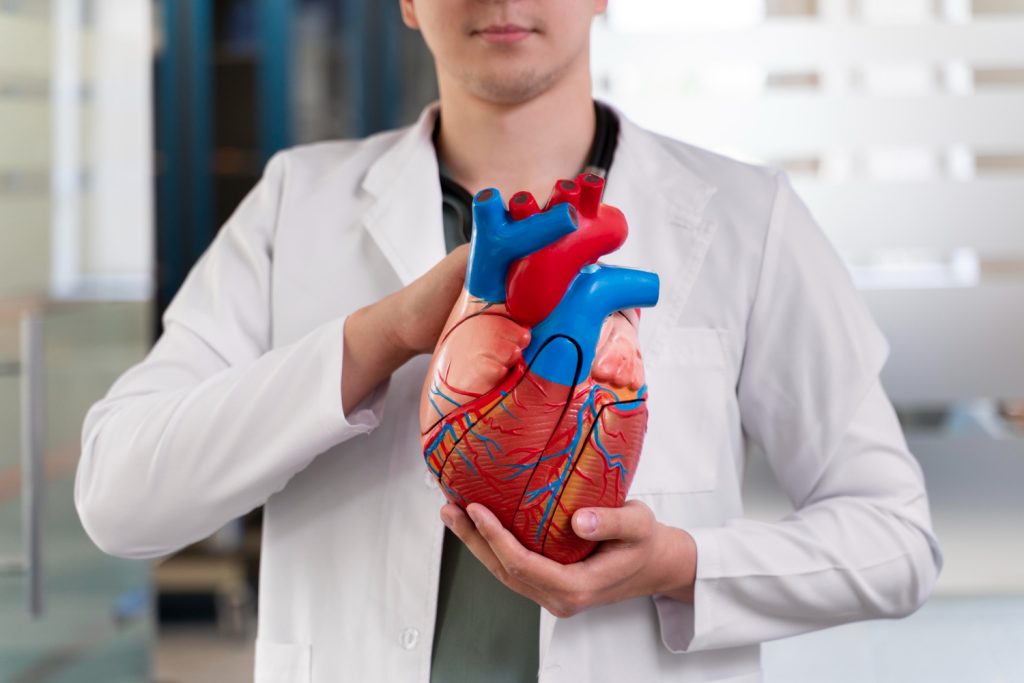
What Is a Ventricular Septal Defect?
A Ventricular Septal Defect is a hole in the wall (septum) that separates the heart’s two lower chambers, known as the ventricles. This hole allows blood to pass from the left ventricle (oxygen-rich blood) to the right ventricle (oxygen-poor blood), mixing oxygenated and deoxygenated blood and overworking the heart and lungs.
The size of the defect can vary significantly—from small holes that may close on their own to large defects requiring surgical intervention. VSDs can occur alone or as part of more complex congenital heart diseases.
Types of Ventricular Septal Defects
There are four main types of VSDs, categorized based on their location in the septum:
- Membranous VSD – Located near the heart valves; most common type.
- Muscular VSD – Found in the lower section of the septum and can sometimes close on their own.
- Inlet VSD – Found near the tricuspid and mitral valves; may be associated with atrioventricular septal defects.
- Outlet VSD – Located near where the blood leaves the heart; more common in certain populations, like those of Asian descent.
Symptoms of Ventricular Septal Defect
Symptoms of VSD can vary depending on the size and location of the hole. Some infants may show no symptoms, while others can exhibit clear signs shortly after birth. Common symptoms include:
In Infants and Children:
- Poor feeding and slow weight gain
- Rapid breathing or difficulty breathing
- Frequent respiratory infections
- Fatigue or tiredness, especially during feeding
- Sweating while feeding
- Bluish tint to the skin (cyanosis) in severe cases
In Adults (when VSD goes undiagnosed or untreated):
- Shortness of breath during physical activities
- Heart murmurs (unusual sounds during a heartbeat)
- Fatigue and reduced exercise tolerance
- Swelling in the legs or abdomen
Many small VSDs cause no noticeable symptoms and may only be detected during a routine medical exam.
Causes of Ventricular Septal Defect
Congenital Causes
VSD is usually present at birth (congenital) and results from improper heart development during fetal growth. It can occur by itself or as part of complex congenital heart conditions like Tetralogy of Fallot or Transposition of the Great Arteries.
Genetic and Environmental Factors
While the exact cause is often unknown, several factors may increase the risk of a baby being born with VSD:
- Genetic disorders, such as Down syndrome
- Family history of congenital heart defects
- Maternal conditions, including diabetes
- Infections during pregnancy, such as rubella
- Use of certain medications or alcohol during pregnancy
- Exposure to harmful substances like tobacco or illicit drugs
Acquired VSD
Though rare, VSD can also develop later in life, usually after a heart attack, due to damage to the septal wall. This is more commonly seen in older adults and requires immediate medical attention.
How Is Ventricular Septal Defect Diagnosed?
1. Physical Examination
Doctors often detect VSD during a routine checkup if they hear a heart murmur using a stethoscope.
2. Echocardiogram
An ultrasound of the heart that provides detailed images of the heart’s structure. It’s the most effective tool for confirming the presence, size, and location of a VSD.
3. Electrocardiogram (ECG)
Measures electrical activity and can help detect heart strain or arrhythmias.
4. Chest X-ray
Shows the size and shape of the heart and may indicate signs of heart enlargement or lung congestion.
5. Cardiac MRI
Provides a more detailed image of the heart, useful in complex or unclear cases.
6. Cardiac Catheterization
Used less frequently but helpful in evaluating complex cases or preparing for surgery.
Early detection, especially in infants, is key to managing the condition and preventing complications.
Treatment Options for Ventricular Septal Defect
The treatment for VSD depends on several factors, including the size of the hole, presence of symptoms, and age of the patient. Management strategies can range from simple observation to surgical intervention.
1. Observation
Small VSDs that cause no symptoms are often monitored over time. Many of these close on their own during infancy or early childhood.
2. Medications
Medications may be prescribed to manage symptoms and reduce the heart’s workload:
- Diuretics (e.g., furosemide) to reduce fluid accumulation
- ACE inhibitors (e.g., captopril) to lower blood pressure and ease heart function
- Beta-blockers in some cases
3. Nutritional Support
Infants with feeding difficulties may require high-calorie formula or feeding tubes to support weight gain.
4. Surgical Repair
Surgery may be required for moderate to large defects, or when symptoms persist. Options include:
- Open-heart surgery to sew a patch over the hole
- Minimally invasive techniques in select cases
5. Cardiac Catheter-Based Closure
A less invasive option where a device is inserted through a catheter to close the VSD, suitable for certain types of defects.
Potential Complications of Untreated VSD
When left untreated, especially larger defects, VSD can lead to serious complications:
- Heart failure due to increased workload
- Pulmonary hypertension (high blood pressure in the lungs)
- Endocarditis (infection of the heart lining)
- Arrhythmias
- Delayed growth and development
- Eisenmenger syndrome, a life-threatening condition resulting from long-term pulmonary hypertension
Timely intervention dramatically reduces the risk of these complications.
Living With Ventricular Septal Defect
Many people with VSD—especially those whose defects are small or have been successfully treated—go on to live healthy, normal lives. However, ongoing management and lifestyle adjustments are necessary in some cases.
1. Regular Cardiology Checkups
Routine visits help monitor heart function and ensure no late complications arise, especially for those with a history of large or surgically corrected VSD.
2. Exercise and Activity
Most children and adults with repaired or small VSDs can engage in normal physical activity. Those with complex cases should follow their doctor’s guidance.
3. Infective Endocarditis Prevention
Though rare, VSD patients may be at a slightly increased risk. Good dental hygiene and sometimes preventive antibiotics before dental work or surgeries are advised.
4. Healthy Lifestyle Choices
- Maintain a heart-healthy diet
- Avoid tobacco and illicit drug use
- Limit alcohol
- Control stress levels
5. Pregnancy and VSD
Most women with repaired or small VSDs can have safe pregnancies. However, pre-pregnancy evaluation by a cardiologist is important, especially for women with uncorrected or complex heart defects.
Emotional and Social Support
Living with a congenital heart defect can be emotionally challenging, especially for families with young children. Support groups, counseling, and education play an important role in coping.
- Parent support networks
- Counseling for anxiety or stress
- Educational resources for children and teens about their condition
- School accommodations if the child has frequent absences or fatigue
The psychological impact should never be overlooked. Emotional well-being is as vital as physical health.
FAQs about Ventricular Septal Defect
What is a Ventricular Septal Defect (VSD)?
A Ventricular Septal Defect (VSD) is a hole in the wall (septum) that separates the heart’s lower chambers (ventricles). It is one of the most common congenital heart defects in newborns.
Is VSD a serious heart condition?
The seriousness of a VSD depends on its size and location. Small defects may close on their own and cause no symptoms, while large VSDs can lead to heart failure, lung damage, and other complications if left untreated.
What causes a Ventricular Septal Defect?
Most VSDs are present at birth due to abnormal heart development in the womb. In rare cases, VSDs may also develop after a heart attack or trauma in adults.
What are the signs and symptoms of VSD in babies?
Common signs include poor feeding, slow weight gain, sweating during feeding, frequent respiratory infections, and a heart murmur detected by a doctor.
Can adults have a Ventricular Septal Defect?
Yes, some adults have undiagnosed VSDs that were never detected in childhood. Others may acquire a VSD due to a complication like a heart attack.
How is VSD diagnosed?
Diagnosis usually involves a physical exam, chest X-ray, echocardiogram, electrocardiogram (ECG), or cardiac MRI to view the heart’s structure and blood flow.
Is surgery always required for VSD?
No, small VSDs may not require treatment and can close naturally. Moderate to large VSDs or those causing symptoms often need surgical or catheter-based repair.
What are the treatment options for VSD?
Treatments include monitoring small defects, medications to manage symptoms, and surgical repair or catheter-based procedures to close the hole.
Can VSD close on its own?
Yes, many small VSDs close naturally during the first few years of life. Regular follow-up with a cardiologist is essential to monitor the condition.
What complications can arise from an untreated VSD?
Complications may include heart failure, pulmonary hypertension, arrhythmias, bacterial endocarditis, and delayed growth in infants.
Is VSD genetic or hereditary?
VSD can be part of genetic syndromes, and family history may increase risk, but it often occurs without a known cause. Genetic counseling may help assess risk in future pregnancies.
Can children with VSD live normal lives?
Yes, most children with VSD—especially after treatment—can lead healthy, active lives with minimal limitations. Ongoing medical care helps ensure a good quality of life.
How do you care for a child with VSD at home?
Focus on good nutrition, follow the medication plan, ensure regular cardiology visits, and watch for signs of worsening like fatigue or rapid breathing.
Are there lifestyle restrictions for people with VSD?
Most people with treated or mild VSDs have few restrictions. However, regular monitoring and avoiding high-risk activities may be recommended in some cases.
Can VSD be prevented?
While VSDs can’t always be prevented, steps like avoiding harmful substances during pregnancy, managing maternal health, and prenatal screening can reduce the risk of congenital defects.
For More Details Keep Visiting our Website or Facebook Page.