
Yellow Fever: Symptoms, Causes, Diagnosis, Treatments, and Living With
Yellow fever is a serious viral disease that has plagued humanity for centuries. Named for the jaundice (yellowing of the skin and eyes) that often accompanies the illness, yellow -fever continues to pose a threat in certain parts of the world, particularly in tropical and subtropical regions. Though rare in developed countries today due to vaccination and mosquito control, yellow-fever remains a public health concern in areas like Africa and South America.
In this comprehensive blog post, we’ll delve into everything you need to know about yellow -fever—from its symptoms and causes to how it’s diagnosed, treated, and managed long-term. Whether you’re a traveler, a healthcare enthusiast, or someone researching tropical diseases, this guide offers accurate and up-to-date information in a reader-friendly format.
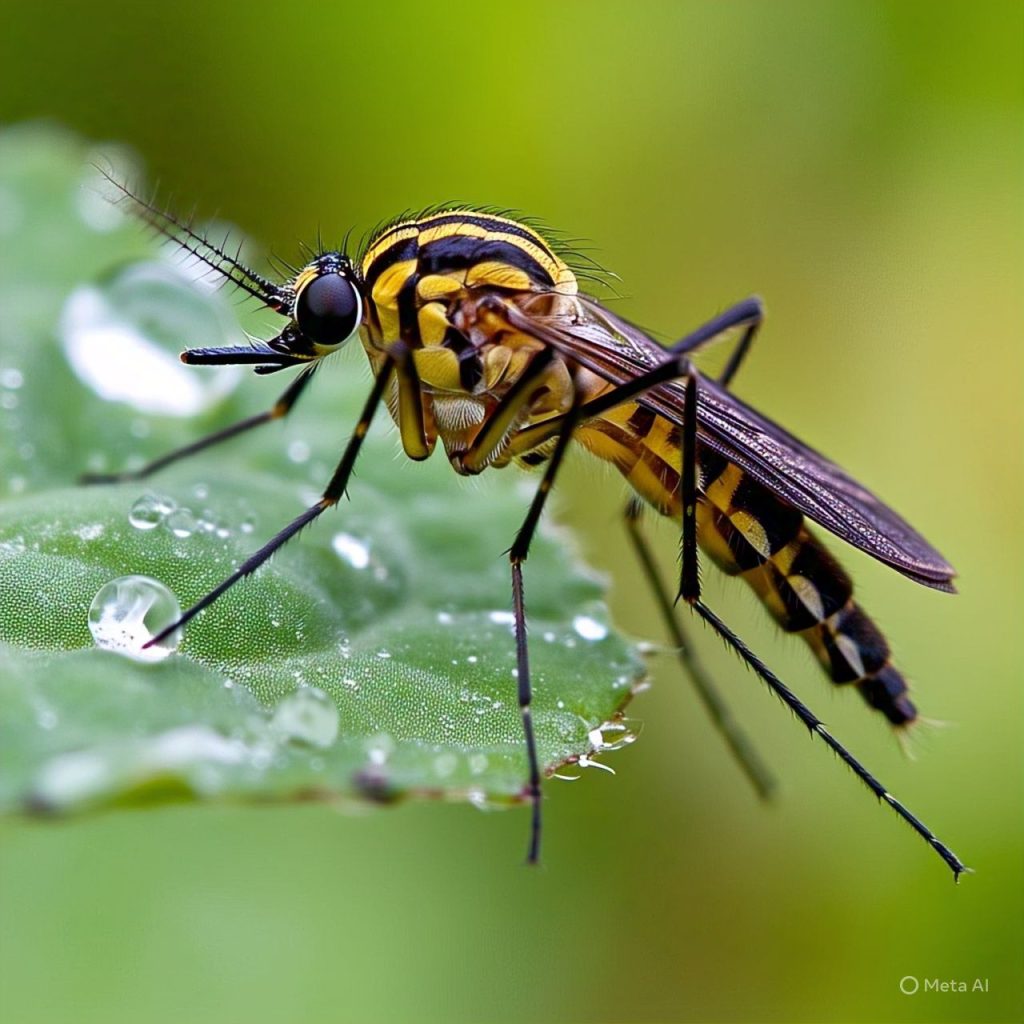
What is Yellow Fever?
Yellow-fever is an acute viral hemorrhagic disease transmitted primarily by infected mosquitoes, notably the Aedes aegypti species. The virus belongs to the Flavivirus genus, the same family as dengue, Zika, and West Nile viruses.
The disease has a broad clinical spectrum ranging from mild to severe, and it is characterized by fever, muscle pain, nausea, vomiting, and—in severe cases—organ failure, bleeding, and death.
The name “yellow-fever” comes from one of the hallmark symptoms—jaundice, or the yellowing of the skin and eyes due to liver damage.
Causes of Yellow Fever
The Yellow Fever Virus
Yellow-fever is caused by the yellow-fever virus (YFV), which is transmitted through the bite of infected female mosquitoes. The virus replicates in the lymph nodes and spreads to the liver and other organs, leading to inflammation and cell death.
Modes of Transmission
There are three primary transmission cycles of yellow-fever:
- Sylvatic (Jungle) Cycle:
In the wild, the virus circulates between monkeys and mosquitoes in forested areas. Humans entering the jungle can get infected by mosquito bites. - Intermediate (Savannah) Cycle:
This occurs in African savannahs, where mosquitoes infect both monkeys and humans, resulting in localized outbreaks. - Urban Cycle:
In densely populated areas, infected humans serve as the source of the virus, which is transmitted by domestic mosquitoes like Aedes aegypti. This can lead to large-scale urban outbreaks.
Symptoms of Yellow Fever
The symptoms of yellow -fever usually appear 3 to 6 days after being bitten by an infected mosquito. The disease progresses in two phases:
Phase 1: Acute Stage
This initial stage typically lasts 3–4 days and includes:
- Sudden high fever
- Chills
- Severe headache
- Back pain
- Muscle aches, especially in the knees and back
- Loss of appetite
- Nausea or vomiting
- Fatigue and weakness
- Flushed face and red eyes
Some patients recover after this stage, while others progress to a more severe form of the disease.
Phase 2: Toxic Stage
About 15–25% of infected individuals enter this second, more dangerous phase within 24 hours after initial symptoms subside. Symptoms may include:
- High fever returns
- Jaundice (yellowing of the skin and eyes)
- Abdominal pain
- Vomiting, sometimes with blood
- Bleeding from the nose, mouth, eyes, or stomach
- Kidney and liver failure
- Delirium, seizures, or coma
This phase has a high fatality rate, ranging from 20% to 50%.
Who is at Risk?
Yellow -fever occurs mostly in tropical and subtropical regions of:
- Africa
- South America
People most at risk include:
- Residents of or travelers to endemic regions
- Unvaccinated individuals
- People living in areas with poor mosquito control
- Healthcare workers treating yellow -fever patients
Diagnosis of Yellow Fever
Clinical Evaluation
Diagnosing yellow -fever can be difficult, especially in the early stages when symptoms mimic other illnesses like malaria, dengue, leptospirosis, or typhoid.
Laboratory Tests
To confirm a diagnosis, doctors may recommend several tests:
- ELISA (Enzyme-Linked Immunosorbent Assay): Detects yellow -fever antibodies (IgM)
- Polymerase Chain Reaction (PCR): Detects viral RNA in blood samples
- Virus Isolation: Identifies the virus in a lab setting
- Liver Function Tests: To check for elevated liver enzymes and signs of liver damage
Early diagnosis is crucial for effective care and to prevent the spread of the virus in communities.
Treatment of Yellow Fever
There is currently no specific antiviral treatment for yellow-fever. Management is primarily supportive, aiming to relieve symptoms and support vital functions.
Supportive Care Includes:
- Hospitalization: Especially for severe cases
- Intravenous fluids: To prevent dehydration
- Oxygen support: If respiratory distress is present
- Blood transfusions: For severe bleeding
- Dialysis: If kidney failure occurs
- Pain and fever relief: Acetaminophen may be used (Avoid NSAIDs like aspirin or ibuprofen, which increase bleeding risk)
Early medical attention can significantly improve outcomes, even though severe cases still carry high mortality.
Prevention of Yellow Fever
1. Vaccination
The yellow-fever vaccine is the most effective way to prevent the disease. A single dose provides lifelong immunity for most individuals.
- Recommended for all people over 9 months in endemic areas
- Required for travelers to and from certain countries (International Certificate of Vaccination)
- Generally safe with mild side effects (fever, soreness at the injection site)
2. Mosquito Control
- Use insect repellents with DEET or picaridin
- Wear long-sleeved clothing
- Sleep under insecticide-treated mosquito nets
- Install screens on windows and doors
- Eliminate standing water where mosquitoes breed
3. Travel Precautions
If you’re planning a trip to a yellow-fever-endemic region:
- Get vaccinated at least 10 days before travel
- Carry proof of vaccination
- Follow local health guidelines
Living with Yellow Fever
For individuals who survive the infection, life may return to normal, but the recovery process can vary.
Recovery Timeline
- Mild cases may resolve within 1–2 weeks
- Severe cases may take weeks to months to fully recover
- Fatigue, weakness, and liver dysfunction may persist during convalescence
Long-Term Effects
Some survivors of severe yellow fever may experience:
- Liver damage
- Kidney dysfunction
- Neurological issues
- Chronic fatigue
- Psychological distress (e.g., anxiety or depression)
Emotional and Psychological Support
Coping with a life-threatening illness can be mentally taxing. Psychological counseling and community support can be vital, especially for patients who have undergone intensive care.
Complications of Yellow Fever
Complications are more likely in the toxic phase and may include:
- Severe liver failure
- Renal (kidney) failure
- Sepsis
- Respiratory failure
- Coma and death
High-risk individuals, such as the elderly or those with weakened immune systems, are more susceptible to complications.
Yellow Fever vs. Other Viral Illnesses
| Feature | Yellow Fever | Dengue | Malaria | Zika |
|---|---|---|---|---|
| Vector | Mosquito (Aedes) | Mosquito (Aedes) | Mosquito (Anopheles) | Mosquito (Aedes) |
| Vaccine Available | Yes | No | Yes (partial) | No |
| Jaundice | Common | Rare | Possible | Rare |
| Bleeding Risk | High (severe cases) | High | Moderate | Low |
| Liver Damage | Severe | Mild | Possible | Rare |
Understanding these distinctions helps guide proper diagnosis and treatment.
Global Statistics and Outlook
According to the World Health Organization (WHO):
- Approximately 200,000 cases occur annually
- 30,000 deaths are attributed to yellow fever each year
- 90% of cases are reported in Africa
However, global immunization programs and travel regulations have helped reduce the spread of the disease significantly.
Research and Future Outlook
Scientists are working to improve vaccine availability and develop new antiviral medications. Innovations in mosquito vector control, such as genetically modified mosquitoes and drone technology for spraying insecticides, also offer hope.
Promising Areas of Research:
- Second-generation vaccines
- Antiviral drug development
- Mosquito gene drives
- Real-time surveillance tools
Continued global cooperation and funding are essential for managing and eventually eradicating yellow fever.
Conclusion
Yellow fever remains a potent threat in specific parts of the world, especially where vaccination coverage is low and mosquito control is inadequate. Although no cure exists, yellow fever is largely preventable with vaccination and simple protective measures.
Recognizing the symptoms early, seeking immediate medical help, and taking steps to protect yourself and others from mosquito bites can make all the difference. Whether you’re living in an endemic region or planning to travel, being informed is your first line of defense.
FAQs about Yellow Fever
What is yellow fever?
Yellow fever is a viral disease transmitted by infected mosquitoes. It causes fever, chills, jaundice (yellowing of the skin), and can be life-threatening if untreated.
How do people get yellow fever?
People typically get yellow fever through the bite of an infected Aedes or Haemagogus mosquito, commonly found in tropical and subtropical regions.
What are the main symptoms of yellow fever?
Symptoms include sudden fever, headache, muscle pain, nausea, vomiting, fatigue, and jaundice. In severe cases, it can lead to bleeding and organ failure.
Where is yellow fever most common?
Yellow fever is most prevalent in parts of Africa and South America, especially in forested and rural regions with high mosquito activity.
Is there a vaccine for yellow fever?
Yes, a highly effective yellow fever vaccine is available and recommended for people traveling to or living in endemic areas. One dose offers lifelong protection.
Can yellow fever be cured?
There is no specific antiviral treatment for yellow fever. Medical care focuses on relieving symptoms and supporting vital organ functions.
How is yellow fever diagnosed?
Diagnosis is based on clinical symptoms and confirmed by blood tests that detect the yellow fever virus or antibodies in the blood.
What is the incubation period for yellow fever?
The incubation period—the time from infection to symptoms—is typically 3 to 6 days.
How long does yellow fever last?
Most people recover from the mild form within 3 to 4 days. Severe forms may progress and cause complications that last several weeks or may be fatal.
Can yellow fever spread from person to person?
No, yellow fever does not spread directly between people. It is only transmitted through the bite of infected mosquitoes.
What should I do if I think I have yellow fever?
Seek medical attention immediately, especially if you’ve recently traveled to an endemic area. Early care improves recovery chances and reduces complications.
Who is at risk of getting yellow fever?
Travelers and residents of endemic areas, particularly those who are unvaccinated and exposed to mosquito bites, are at higher risk.
Can pregnant women get the yellow fever vaccine?
The vaccine is generally not recommended for pregnant women unless absolutely necessary, such as during outbreaks or travel to high-risk areas.
How can I protect myself from yellow fever?
Get vaccinated, use mosquito repellent, wear long sleeves and pants, and avoid outdoor activities during peak mosquito hours (dawn and dusk).
Is yellow fever fatal?
Yes, in severe cases, yellow fever can be deadly. About 30-60% of those with severe symptoms may die without proper care.
For more details keep visiting our website or Facebook Page.